What just happened
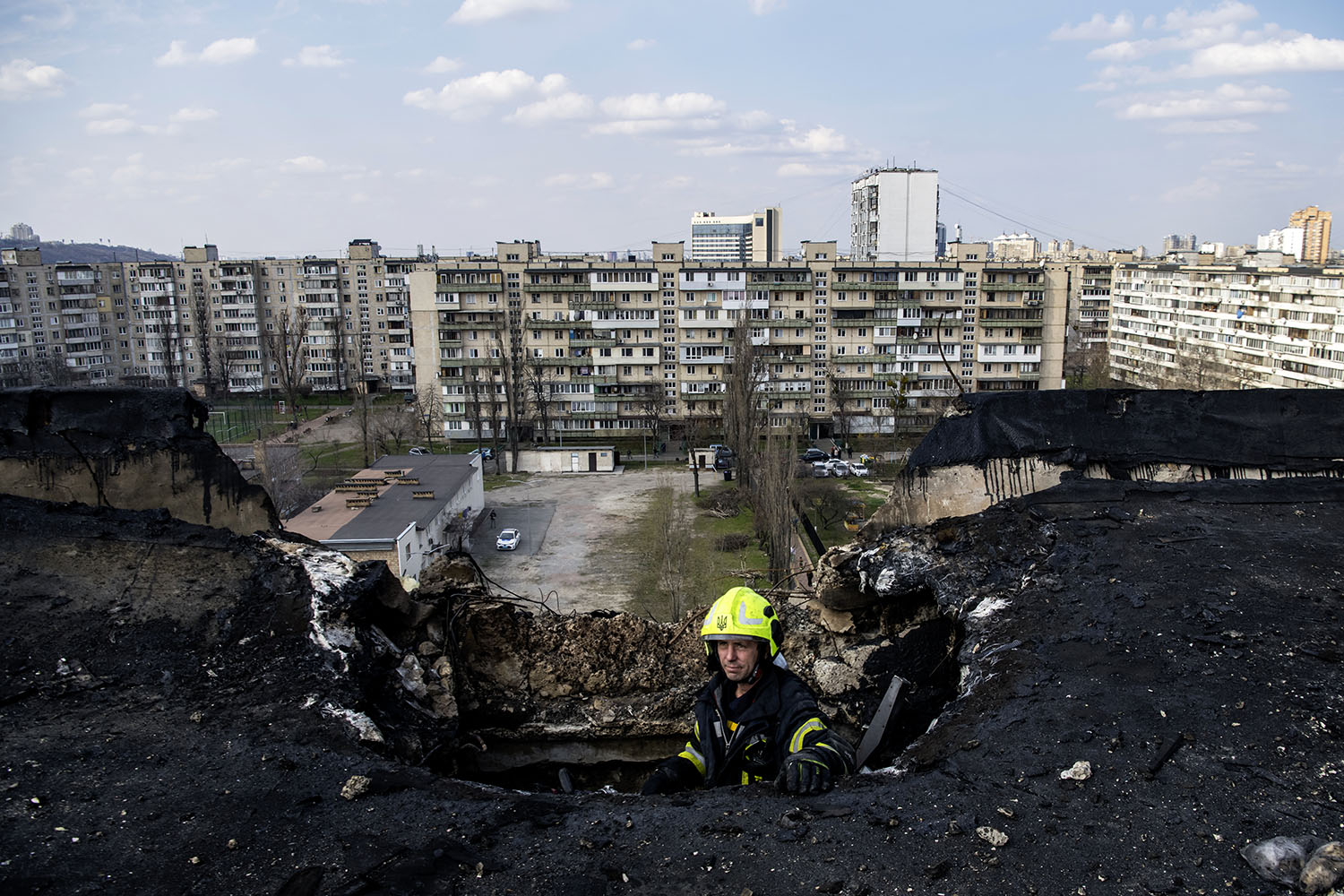
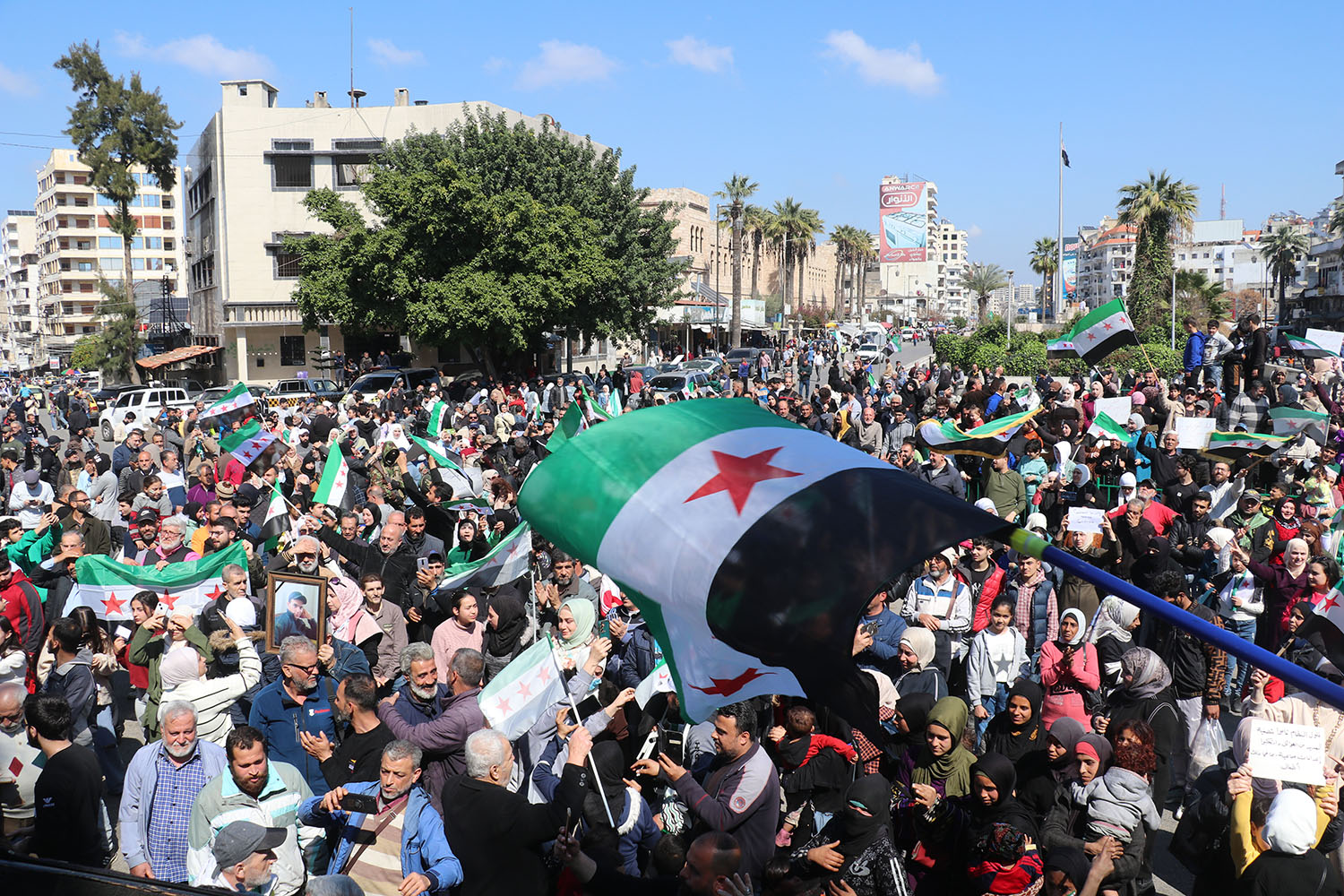
- A powerful earthquake killed more than 1,000 people in Syria and Turkey.
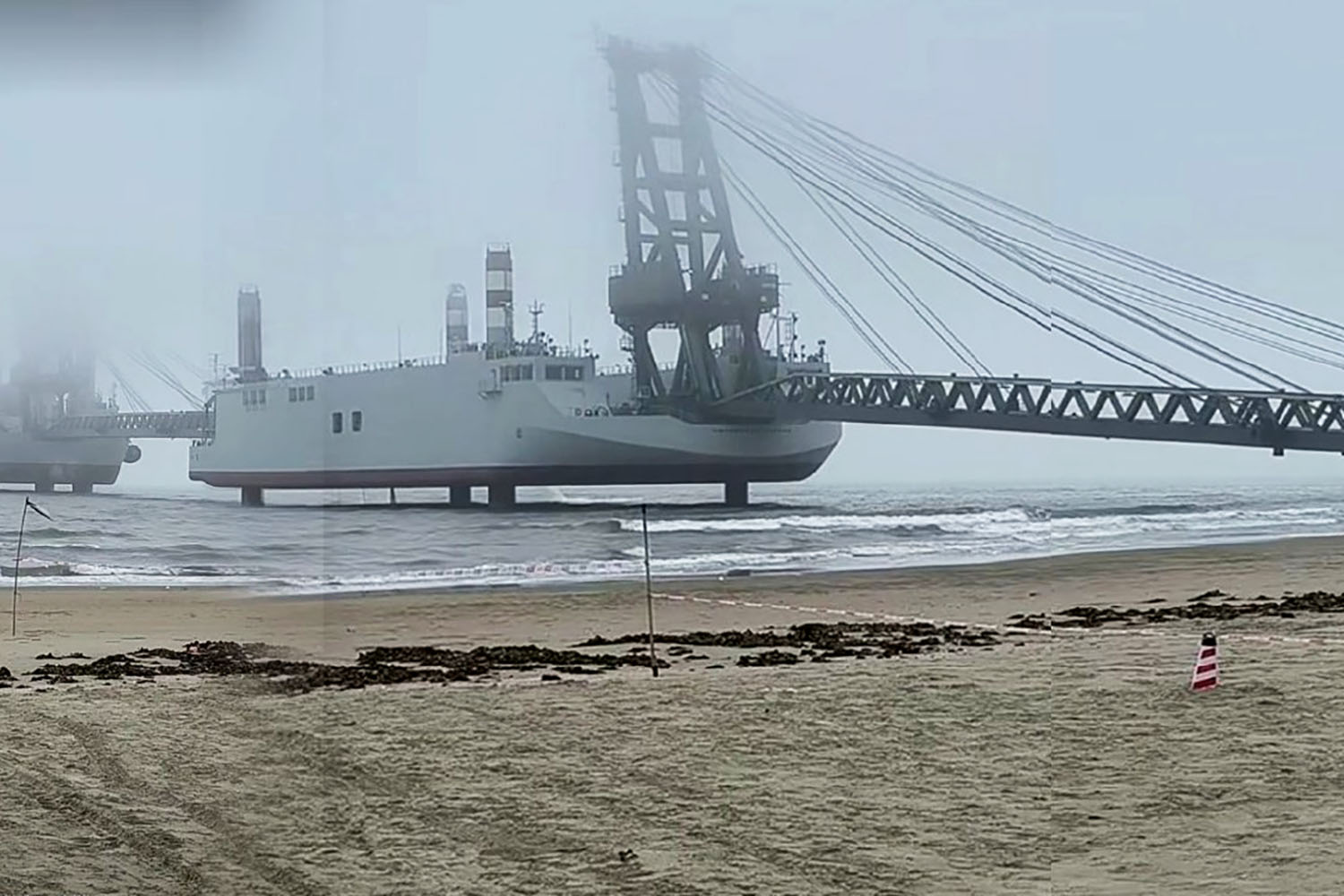
- US navy divers searched for hardware from a Chinese spy balloon shot down over the Atlantic on Saturday (more below).
- Beyoncé won four Grammys, making her the most Grammy-winning artist of all time.
Finland and Sweden want to join Nato to strengthen their security against Russia. Turkey has an effective veto over their applications and says it may approve Finland’s but turn down Sweden’s. The two countries insist they will join together, and the US Congress is threatening to torpedo a $20 billion arms sale to Turkey unless it signs off on both.
So what? The losses from this morning’s terrible earthquake across Turkey and Syria will be mourned and the international community will rally to send aid (see Planet, below). But the question of whether Nato expands to the north, and how fast, will define its posture against Russia for decades to come – and the answer depends on Turkey.
Opportunity. Swedish and Finnish Nato membership would end their long-standing non-aligned status and represent a huge strategic boost to the alliance.
Cost. Turkey has been insisting that both countries take stronger action against groups that it considers terrorists, particularly the Kurdistan Workers’ Party (PKK) and a religious group it blames for a failed coup in 2016. The three countries reached a deal last June that included:
- Finland and Sweden lifting arms embargoes imposed on Turkey after it invaded Syria in 2019; and
- agreement on a series of steps to cooperate with Turkey on anti-terrorism measures. Last week Sweden introduced a new law banning all activities that support terror organisations, which required a change to its constitution.
Turkey has also been pushing Sweden to extradite dozens of people it accuses of terrorism, some of whom Sweden considers political asylum seekers. Sweden is home to around 100,000 Kurds. In Finland the figure is closer to 15,000.
It gets worse. Last month, a pro-Kurdish group hung an effigy of Erdogan outside Stockholm’s city hall. A week later, Rasmus Paludan, a notorious Danish far-right provocateur, burned a copy of the Koran in front of the Turkish embassy, prompting outrage in Turkey and across the Muslim world. Erdogan suspended accession talks.
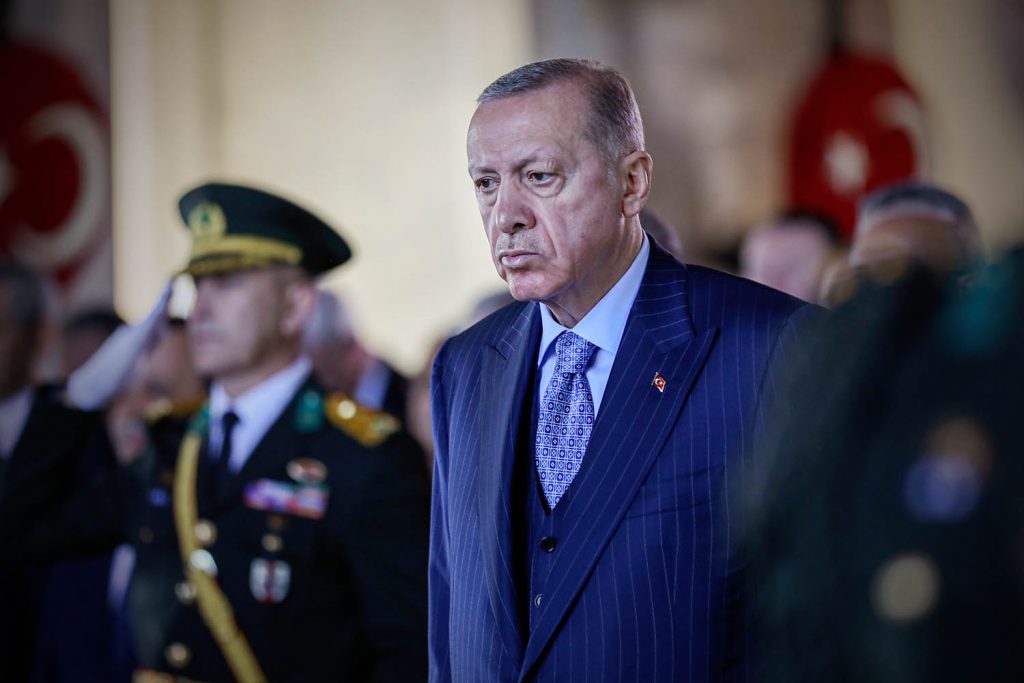
What Erdogan wants (part 1): To stay in power. Erdogan and his ruling Justice and Development (AK) party face elections in mid-May. That means keeping voters’ attention off
- the economy, as households face official inflation of 60 per cent, and
- the polls, which suggest a tight race despite Erdogan and allies controlling around 90 per cent of the country’s media.
In these circumstances, a row with Sweden is “a convenient issue for Erdogan to have on his plate,” says Jamie Shea, a former Nato director of policy planning. Defending the Koran and demanding Nato pay more attention to Turkey’s security interests is smart politics.
What now? Finland and Sweden’s accession has been ratified by 28 of Nato’s 30 members. Hungary says it will ratify soon, leaving Turkey the only holdout. Defence officials want to make plans: Finland and Sweden’s joint membership would turn the Baltic into a “Nato lake” and make it easier to defend Estonia, Latvia and Lithuania.
Finland could technically join without Sweden, but “it’s massively easier in terms of Nato’s military planning to have the two countries join together,” Shea says.
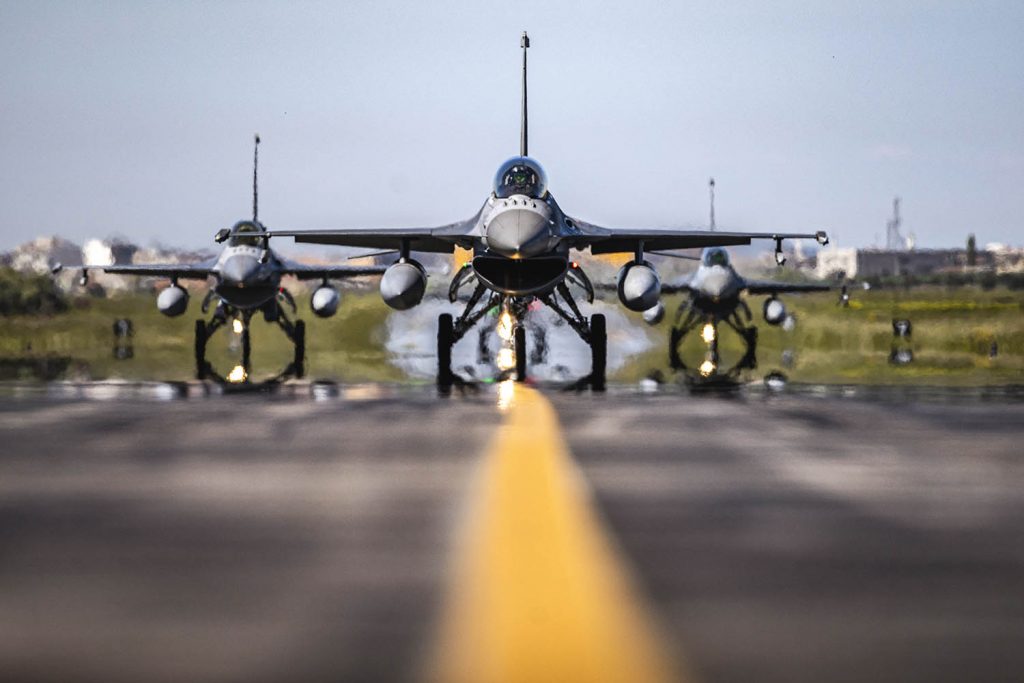
What Erdogan wants (part 2): 40 new American-made F-16 fighter jets, part of the arms sale that members of the US Congress have explicitly linked to Sweden and Finland’s Nato membership. It’s a good bargaining chip. But Paul Levin, director of Stockholm University’s Institute for Turkish Studies, says it’s still “a guessing game” on when Turkey could ratify.
“Sweden will have to show concrete results from implementing the tougher antiterrorism laws that will likely enter into effect in the summer,” he says. “And then there is the risk that Erdogan feels personally offended and holds a grudge. That he can do for quite some time.”
One person who benefits from the delay is… Putin.