
What just happened
- US intelligence said Russia was massing military aircraft near Ukraine’s borders.
- The WHO issued a warning of community spread of bird flu among humans.
- Keir Starmer said Jeremy Corbyn will not stand for the Labour Party at the UK’s next general election.
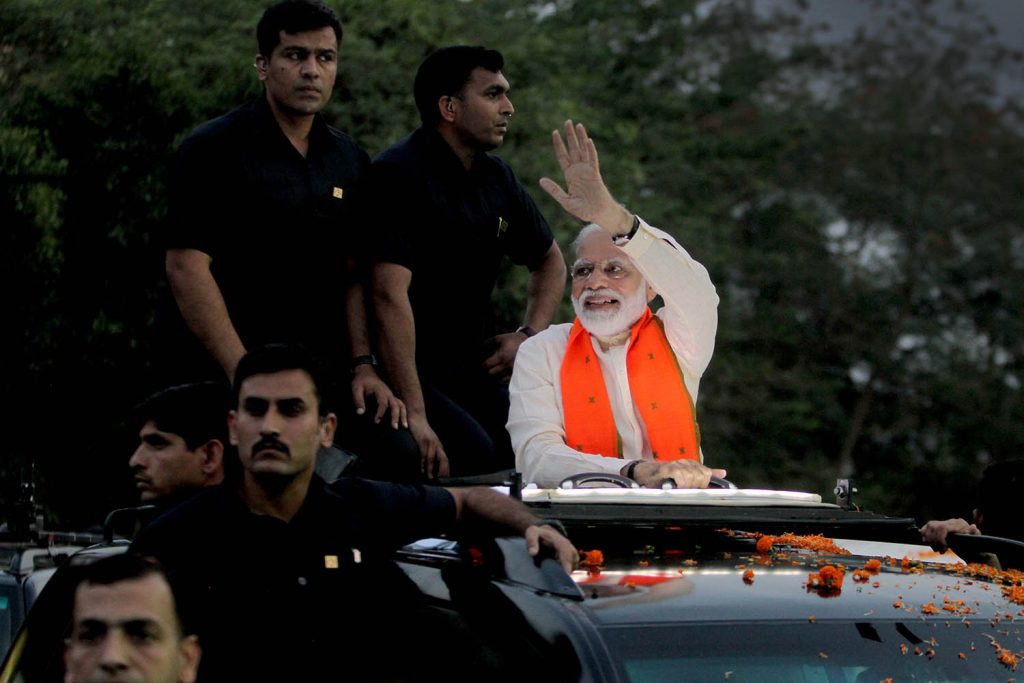
Indian tax police raided the BBC’s offices in New Delhi and Mumbai yesterday. Officials said it had nothing to do with a recent BBC documentary re-examining Prime Minister Narendra Modi’s alleged role in sectarian violence that killed 2,000 people in his home state of Gujarat in 2002, most of them Muslims.
So what? The official explanation that the raid was a “survey” isn’t credible. Fifty tax inspectors were involved. Phones were taken. In reality it seems to have been retaliation for the film, India: the Modi Question, which
- Modi’s ruling BJP party has called garbage from a colonial mindset;
- Modi’s Hindu nationalist government tried to ban when it was released last month; and
- the UK’s Rishi Sunak would like to pretend did not exist as he tries to fast-track an Indian trade deal to show there are Brexit benefits after all.
The main findings of the film are based on a previously unseen report on the 2002 violence by British High Commission staff in India. They found that the violence was much more serious than previously reported (not least as to the death toll of 2,000, double most initial estimates); that it included the systematic rape and murder of Muslim women; and that it bore “all the hallmarks of ethnic cleansing”.
Modi’s personal role gets a thorough going-over. Those who know of him only as a populist prime minister courted by foreign trade delegations and feted by the G20 may be surprised to learn that he stands accused of
- telling police in Gujarat, where he was Chief Minister, not to intervene in anti-Muslim rioting in Ahmedabad on 28 February 2002, when the bodies of 59 Hindu activists burned in a train the day before were brought there;
- telling the rioters they would have three days to vent their fury before calm was restored; and
- intervening himself to find a more lenient judge in a case involving accused Hindu murderers.
Evidence for these claims, including hidden camera footage, appears in the film and has been available to investigators since the riots. Modi rejects it and India’s Supreme Court cleared him of responsibility for the massacre in 2013, even though the US and UK had banned him from visiting.
His critics accuse him of a slide towards authoritarianism. His supporters – 230 million of them at the last election – love him for reviving Indian pride, cutting red tape and getting highways built. They accuse the BBC of peddling a political agenda. They ask: why now?
There are two answers: the High Commission report is newly unearthed, and the last known witnesses who claim to be able to link Modi to the 28 February 2002 killings have recently been arrested in connection with a dredged-up 30 year-old case.
Modi faces re-election next year. In any normal democracy there would be a clear public interest in the film, but India’s democracy has veered away from normal on his watch:
- Its 200 million-plus Muslims are increasingly excluded from public life and “calls for genocide” against them are on the rise, one journalist warns.
- India slid from 130th to 150th out of 180 countries on the World Press Freedom Index last year alone.
- Extravagant deference is paid to Modi even by the tycoons with whom he’s locked in mutual dependence to raise living standards and get infrastructure built.
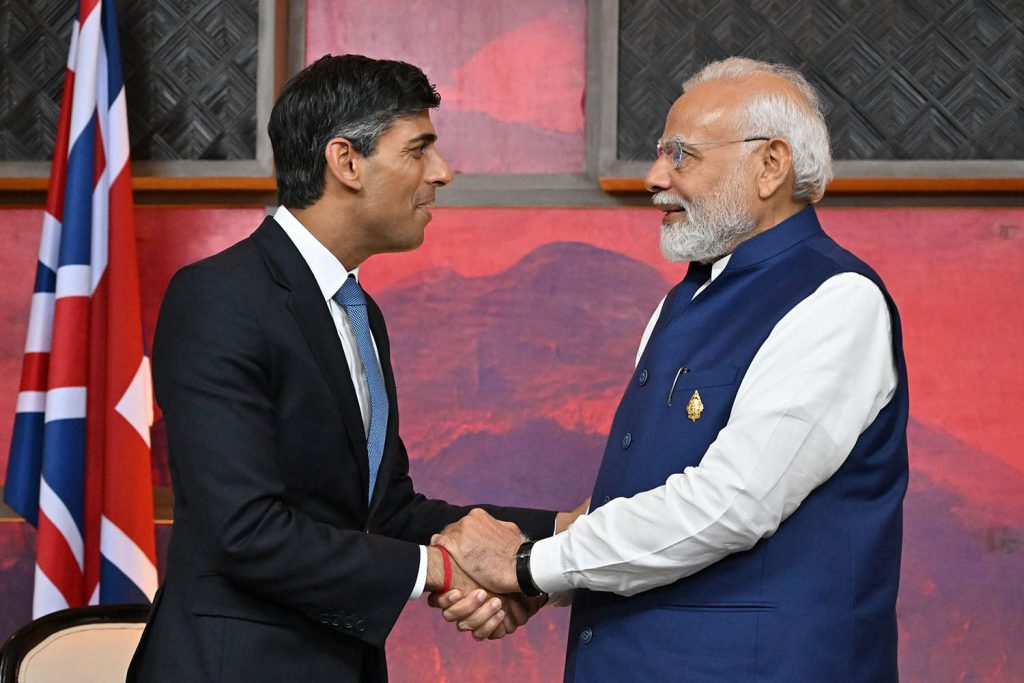
With friends like these, Sunak is anxious not to cause offence. So he hailed a 470-plane deal signed yesterday by Air India as a big win for Britain even though it was with Airbus. Can he get a genuine trade deal with India across the line? Modi’s government wants more UK visas, especially for students.
Don’t hold your breath – for the visas, the deal or a robust British government defence of the independence of the BBC.
UK tax squeeze
Nearly three-quarters of UK local authorities say they’ll raise council tax by the maximum 5 per cent allowed, mainly to meet the soaring cost of care for the elderly. The increases will take effect from April, a month before local elections in which Conservatives expect to take a hammering. Meanwhile, 400,000 people earning less than £13,000 a year have been struggling to pay fines for late filing of tax returns even though few of them owe any tax, according to a report by Dan Neidle, the expert who investigated the tax affairs of the now-ex minister Nadhim Zahawi. British Conservatives like to worry about the squeezed middle. Maybe they should worry more about the squeezed bottom.
Hogwarts and all
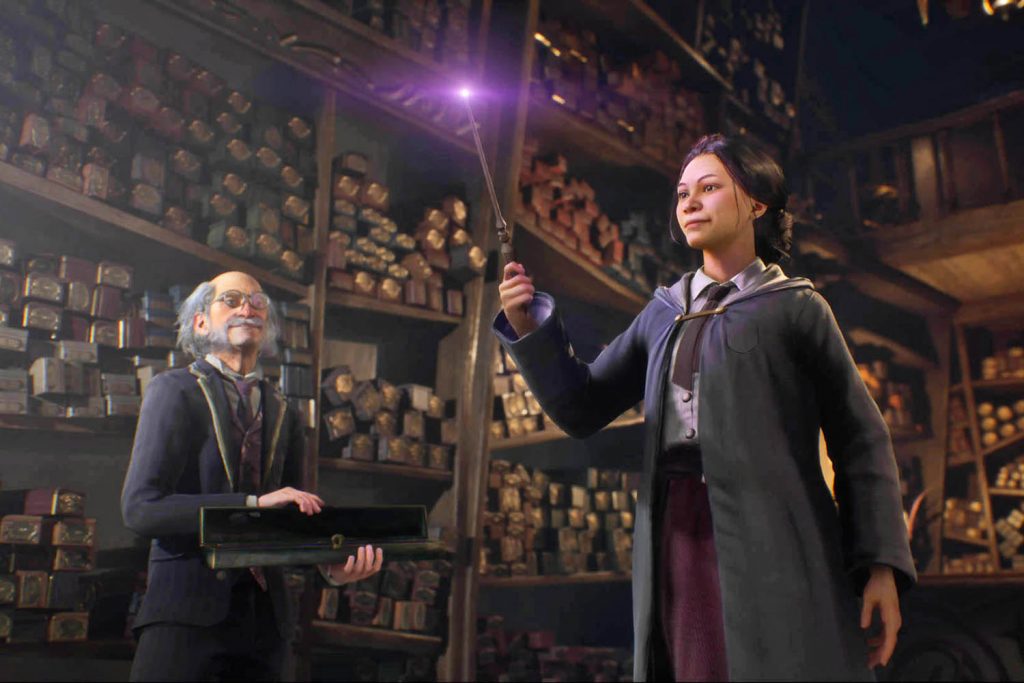
Hogwarts Legacy has become the fastest-selling Harry Potter-themed video game ever since its launch last week, despite protests by gamers who think JK Rowling is transphobic. There have also been complaints that the inclusion in the game of a new character who says her classmates didn’t realise at first she was “a witch, not a wizard” amounted to “attempts at a performance of inclusivity” rather than the real thing. Rowling had no direct involvement in the creation of the game, which lets players build their characters without choosing a gender. It costs about £60 or $60 depending on your time zone and retailer. For those who want nothing to do with it a new package of witchcraft and wizardry games “without the transphobia” is out for a similar amount, titled Trans Witches are Witches.
Complain in Spain
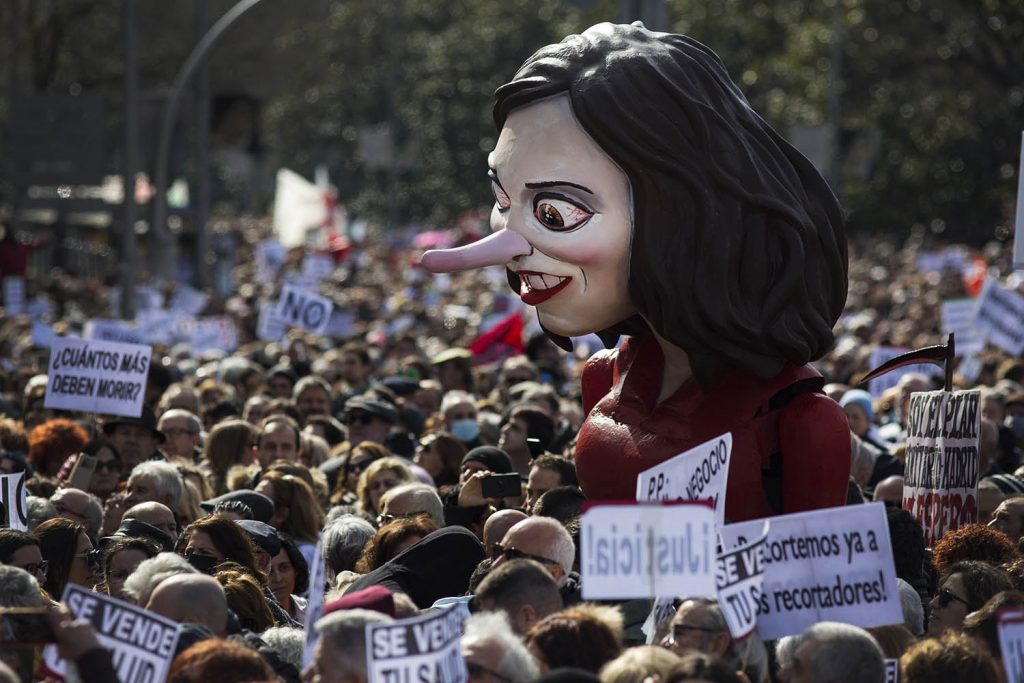
Last weekend more than 250,000 madrileños took to the streets of the Spanish capital over what they consider to be the destruction of their public healthcare system. Spain has a hybrid health service whose public component is run by regional governments. Madrid’s healthcare workers claim its administration – led by the conservative firebrand Isabel Diaz Ayuso – spends the least per capita on primary health despite its high per capita income, and that her policies during Covid led to more deaths than in other Spanish cities. Ayuso says the protests were simply a political move by the left ahead of regional elections in May. To note: she is a strong contender for Spanish prime minister Pedro Sánchez’s job, and his left-wing coalition was the target of smaller protests in Madrid last month led by the far-right Vox party.
Back to coal
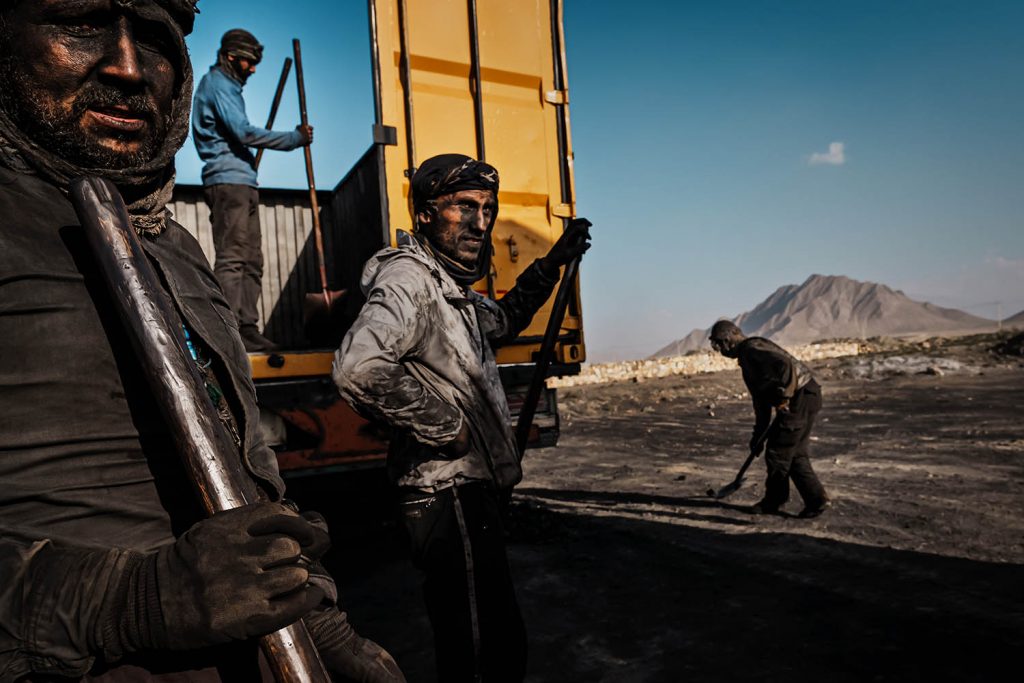
Pakistan plans to quadruple its domestic coal capacity as it tries to cope with natural gas shortages and a crushing foreign-exchange crisis. The country’s energy minister says building a fleet of new coal plants will depend on private investment, but that might not be a problem given hedge funds’ interest in the fuel. A surge in global LNG prices caused by Russia’s war has made natural gas shipments unaffordable for Pakistan, and its foreign currency reserves are barely sufficient to meet one month of energy imports. India, despite its commitment to “phase down” coal, says it now won’t retire power plants until 2030, while Bangladesh and South Africa are also increasing coal generation in order to avoid blackouts.
Haley’s run
Americans who follow such things knew Nikki Haley was going to run for President, but her release of a video yesterday confirming it and her first public appearance today as a candidate are still significant events. She’s the first woman of colour to have run a southern state (South Carolina), the first Indian American to serve in a presidential cabinet and the first Republican to challenge Trump for the party’s 2024 nomination. She didn’t mention him by name but said it was time for a new generation of leadership (she’s 51) and pointed out that the old one had lost the popular vote in seven of the last eight presidential elections. Trump wished her luck. She’ll need it. In an election tomorrow, 4 per cent of Republicans would back her.
Thanks for reading. Please tell your friends to sign up, send us ideas and let us know what you think. Email sensemaker@tortoisemedia.com.
Giles Whittell
@GWhittell
Additional reporting by Phoebe Davis and Barney Macintyre.
Photographs Getty Images