

What just happened
- Boris Johnson and Liz Truss said they would vote against Rishi Sunak’s new Brexit deal.
- Ugandan MPs passed a law imposing the death penalty for homosexuality.
- The White House put a “Believe” sign over the entrance to the Oval Office for a visit from the cast of Ted Lasso.
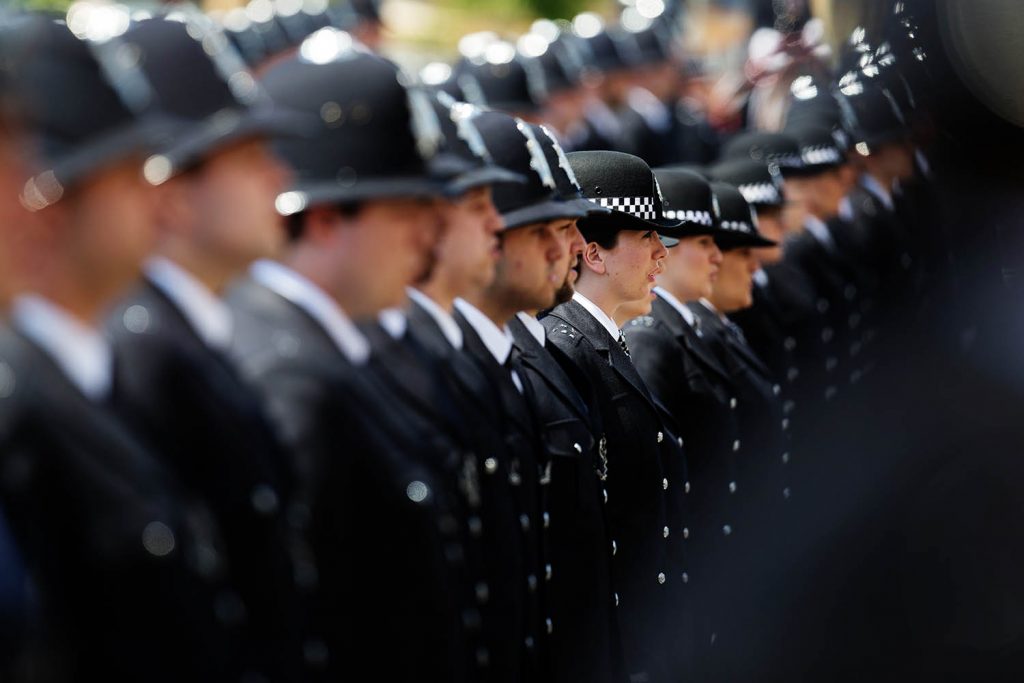
London’s Metropolitan police force is failing women and children. It is not able to police itself, has pulled back from neighbourhood policing and is guilty of institutional racism, sexism and homophobia.
Public consent, on which British policing is meant to be based, is “broken”, with public confidence in the country’s biggest police force below 50 per cent.
These are some of the key findings in a 363-page report released yesterday by Baroness Louise Casey and commissioned after Sarah Everard was abducted, raped and murdered by a serving Met officer in 2021.
So what? This is not the Met’s first reckoning – the Macpherson report found the Met to be institutionally racist a generation ago – and it’s unlikely to be its last. But Casey’s audit, read in full, is so severe that unless it prompts swift and radical reform it could be unsurvivable for the force, with a blast zone extending outside London.
Labour said it would enact all the report’s recommendations if elected, including creating a dedicated women’s protection service.
In plain sight. Casey salutes the bravery of many officers but dismantles the Met’s claim that a “few bad apples” are its only problem.
Rape, sexual assault and domestic violence
- There has been a significant increase in domestic abuse-related crimes, rape and serious sexual offences reported to the Met in the last decade.
- But the Public Protection Teams that investigate these cases “have been actively de-prioritised” in response to budget cuts.
- Murder investigations are handled by teams of experienced detectives, one officer said, whereas a woman raped and left in a coma would likely be dealt with by one trainee detective constable.
- Freezers used to store evidence in rape cases were in such bad shape that in last summer’s heatwave one broke down and all the evidence in it was destroyed. An officer was told all those cases of alleged rape would be dropped.
Police violence
- The report says it was as if the Met was “taken by surprise” in its response to the murder of Sarah Everard by Wayne Couzens, a serving officer. It should not have been.
- The Independent Office for Police Conduct, the National Police Chiefs’ Council and His Majesty’s Inspectorate of Constabulary have all stated on multiple occasions that the abuse of position for sexual purpose is a significant form of corruption in the force.
- The Met was asked to provide data on cases of abuse of position for sexual purpose since 2020, but the review found six times as many allegations as the Met provided.
Labour has called for national standards on vetting and misconduct. Sarah Jones MP, the shadow policing minister, told Tortoise: “It is extraordinary you can be a Met officer being investigated for domestic abuse or sexual abuse and you are not automatically suspended.”
“Institutionally racist, sexist and homophobic”.
The report describes a pervasive “boys club” mentality in the Met with women saying they were “traded like cattle” and moved between units depending on which male officers found them attractive. In addition, it says:
- The force remains disproportionately white (82 per cent) while minority officers face barriers to promotion and are more likely to be disciplined.
- A Sikh officer reported that his beard was cut by colleagues, a Muslim officer found bacon stuffed in his boots and a Black officer was called a “gate-monkey”.
- At the same time, Black Londoners were found to be “over-policed” and more likely to be stopped and searched, have a baton used against them and a Taser fired on them – sometimes fatally.
- One officer said he “didn’t trust his own organisation” after being anonymously targeted on social media with homophobic insults.
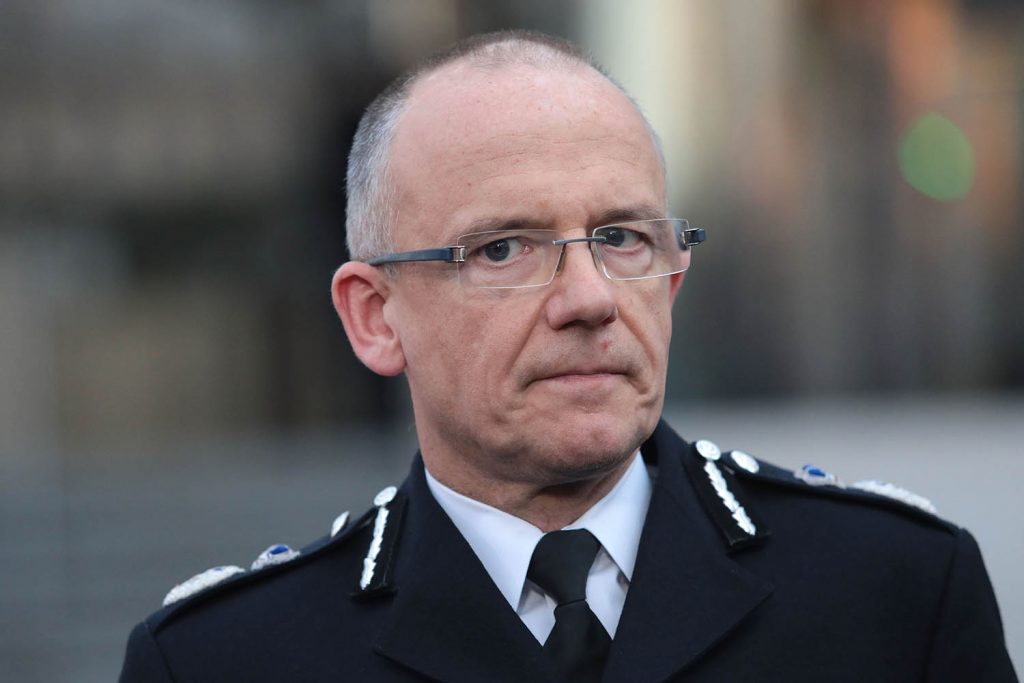
Rowley’s response: Sir Mark Rowley, the Met Commissioner, accepted the thrust of the report but rejected the “institutional” label on the basis that he had to use “practical, unambiguous language”.
To do. In addition to creating a specialist women’s protection service, the report’s recommendations to restore trust and rebuild a frontline policing service for London include:
- creating an independent team to oversee misconduct cases;
- requiring officers to identify themselves and the reason for the search in “stop and search” work, which disproportionately targets Black Londoners;
- disbanding the Parliamentary and Diplomatic Protection (PaDP), a “dark corner” of the Met where Couzens and the serial rapist David Carrick were both deployed; and
- making it easier to sack bad officers (one caught masturbating on a train remains in post).
The idea of breaking up the Met is presented as a last resort, if less radical reforms are not enacted by two and five-year deadlines.
Deja vu. London has been here before. As one officer told the review: “We’ve had so many watershed moments we should be swimming”. Unless the organisations meant to hold the Met to account are given teeth, it will be back here again.
UK prices
UK inflation numbers were forecast to go down today. They went up instead, prompting the chancellor to say he’d have to stick to his plan to halve it this year. That will mean continued pressure to keep interest rates high despite the proven impact that can have on banks’ stability. There were two reasons the headline consumer price inflation number was forecast to fall: falling world gas prices and the fact that the numbers released today were year-on-year. Last month’s January-to-January numbers reflected a big uptick in prices following Russia’s invasion of Ukraine. Today’s Feb-to-Feb figures don’t, but the headline CPI number was still up from 10.1 to 10.4 per cent and food inflation is up from 16.7 to 18 per cent. Even before the war the UK got only 3 per cent of its gas from Russia. Genuine question: does this mean falling European gas prices aren’t feeding through to UK inflation?
Bot wars
Techcrunch has tested Bard against ChatGPT-4 and found it wanting. Bard is Google’s first stab at user-friendly AI and conspicuously late to the party. The Techcrunch test asked the bots to i) write a checklist for a recruiter aiming to attract diverse talent to a tech start-up; ii) write a piece of clever graphics code; iii) write a phishing email; and iv) write a summary of Wuthering Heights without using proper names. Bard didn’t think to include tick boxes for i), couldn’t help at all with ii), cheerfully obliged on iii) while ChatGPT-4 declined on ethical grounds and offered a spare one-paragraph summary for iv) while the competition offered nuance, context and detail. It’s almost as if Google wants humans to go on thinking.
Refugee cost
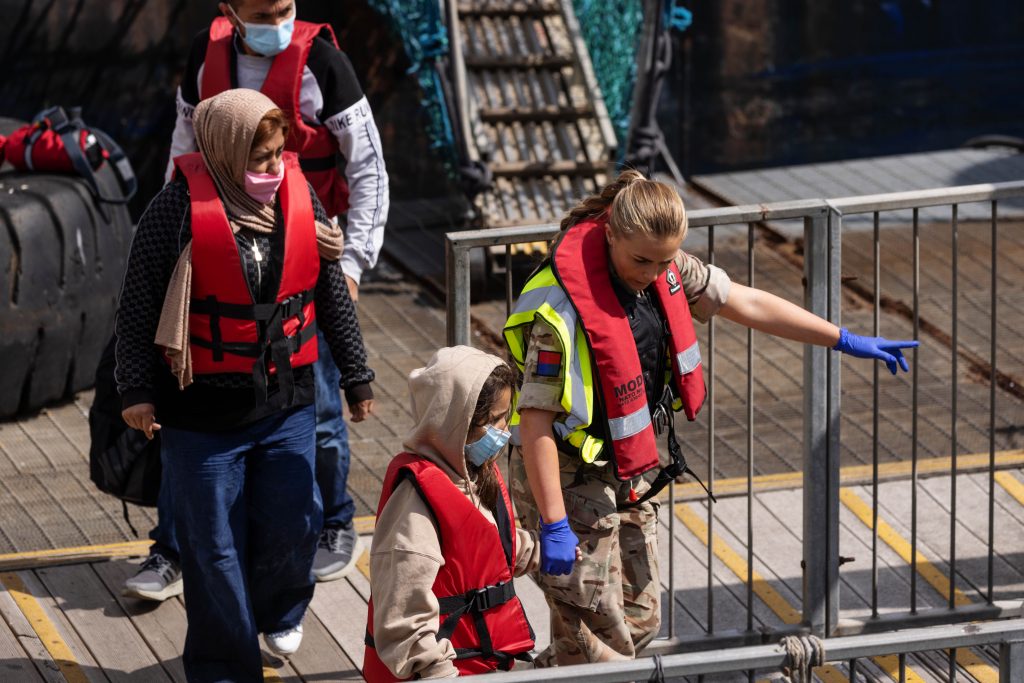
The UK government’s new Illegal Migration Bill could lead to over 200,000 people who attempt to cross the Channel being locked up or forced into destitution. An impact assessment by the Refugee Council found that under the bill, which is intended to “prevent and deter unlawful migration”, an estimated 250,000 people including up to 45,000 children will have their asylum claims deemed inadmissible in the first three years. Of those, nearly 200,000 will not be removed to Rwanda, leaving them reliant on the Home Office for support and accommodation in the UK. To note: the government has yet to remove anyone to Rwanda and the UN refugee agency has described the new bill as an effective “asylum ban”. It comes with a hefty price tag too: around £9 billion over three years. The Home Office said it doesn’t recognise the figures in the report, but it has yet to release its own assessment.
EU v greenwash
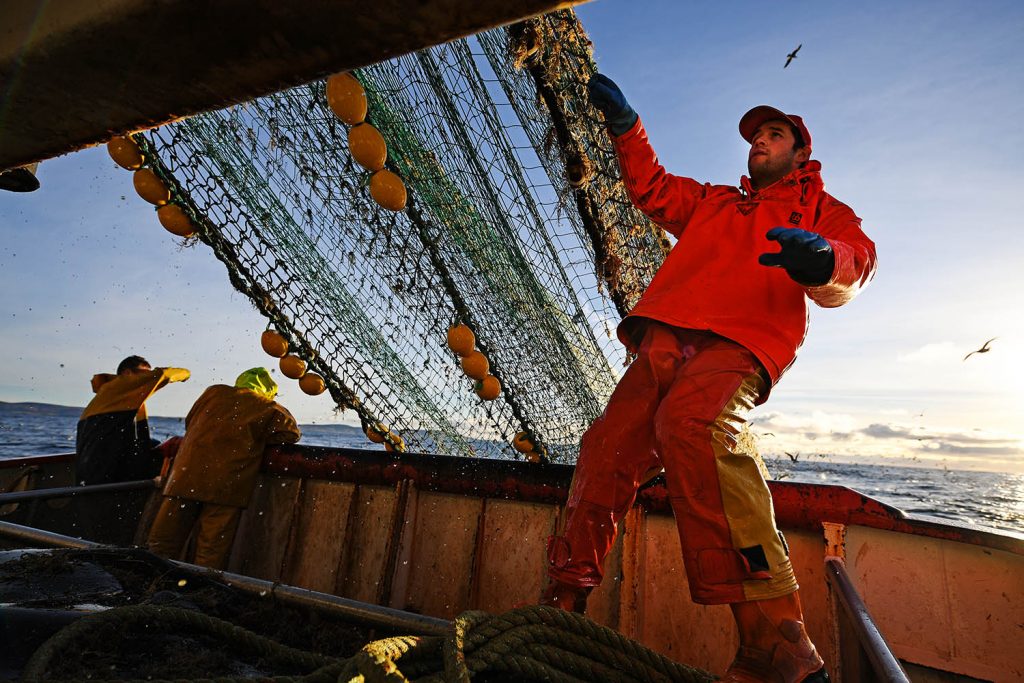
The European Commission has found more than half the environmental boasts made by companies across the EU to be “vague, misleading or unfounded”. So a new Green Claims Directive unveiled today sets out new rules against greenwashing and gives firms ten days to fix any non-compliance before being penalised. The hope is fewer empty commitments to net zero and false claims of recyclability. Politico wonders about the EU’s own net zero credentials given its tolerance for overfishing by member states and for gas and nuclear in its “green” taxonomy. Interesting to note the ad running across the middle of Politico’s (exemplary) reporting, though. It’s for Equinor, Norway’s oil and gas giant, talking up its decarbonisation plan for Europe. Norway, of course, is not in the EU, so maybe that’s OK.
Axis of praxis
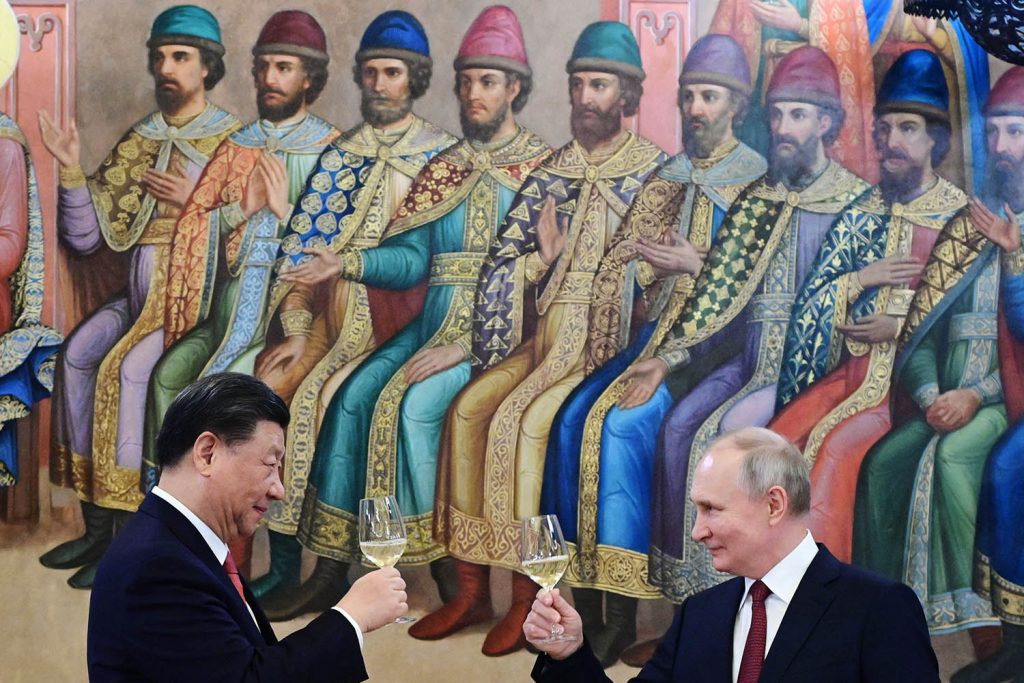
Xi Jinping left Moscow this morning after a three-day visit during which he offered not one quotable word in support of Russia’s war in Ukraine. He didn’t condemn it either, or make any progress towards the ceasefire proposed in a 12-point peace plan floated in advance even though all sides knew it was a non-starter because it would have left Russia in control of conquered territory. Instead, the world’s two most powerful autocrats agreed they were working towards “a more just and democratic multipolar world order” and that Nato was trying to undermine it. Overnight, Ukraine said it was attacked by 21 Iranian-built drones. Geopolitics is the art of the possible. Putin will persist until defeated in Ukraine, and if he isn’t, Xi will take that as a signal to attack Taiwan.
Thanks for reading. Please tell your friends to sign up, send us ideas and let us know what you think. Email sensemaker@tortoisemedia.com.
Phoebe Davis
@phoebe_ivy
Jess Winch
@jswinch
Additional reporting by Louise Tickle and Giles Whittell.
Photographs Getty Images


