What just happened
- Israel’s president told Netanyahu to pause judicial reforms after protests (more below).
- Biden declared a federal emergency in Mississippi after a tornado killed at least 26 people.
- Lebanon woke up in two different timezones after a row between the government and Christian authorities over when the clocks should go forward.
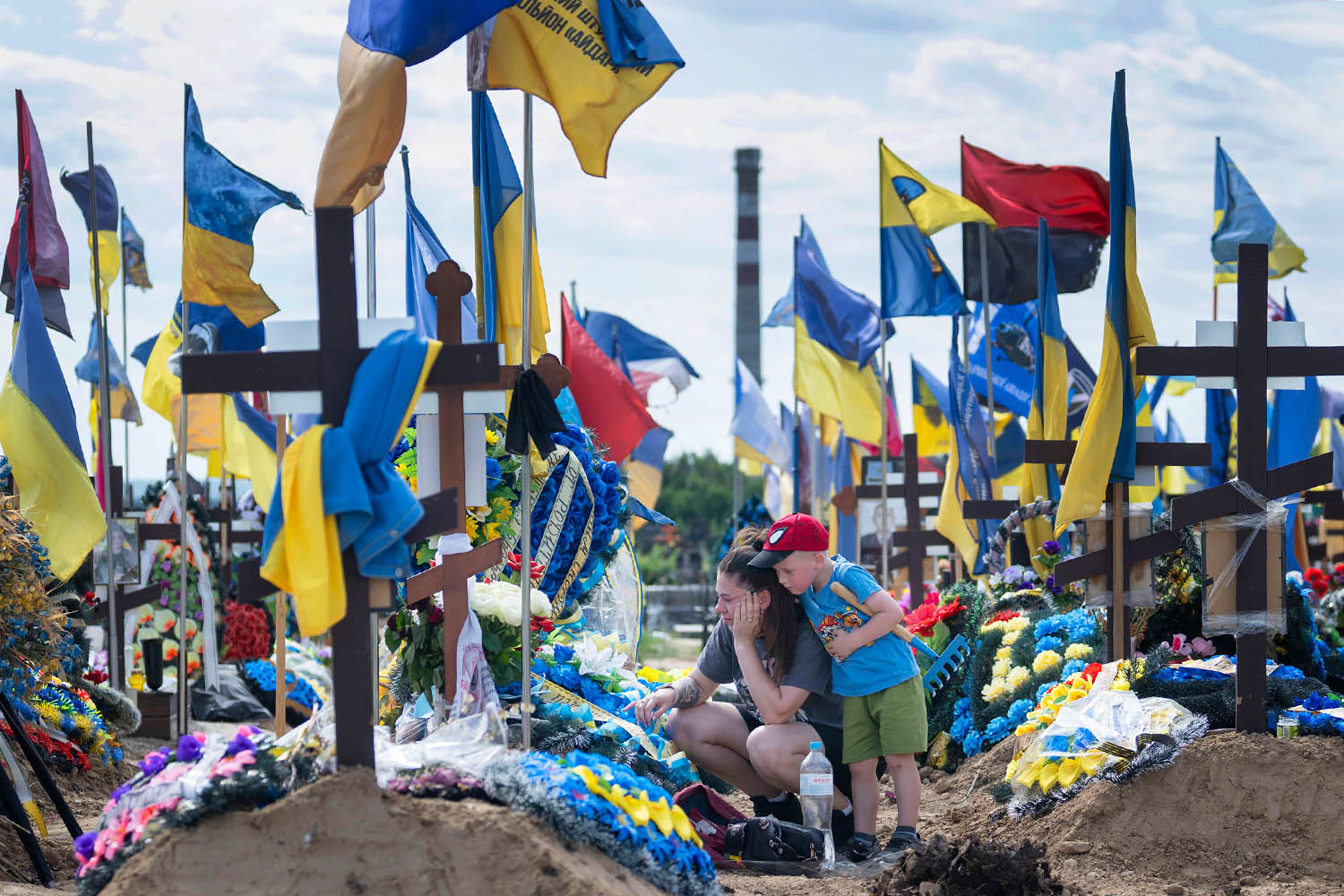
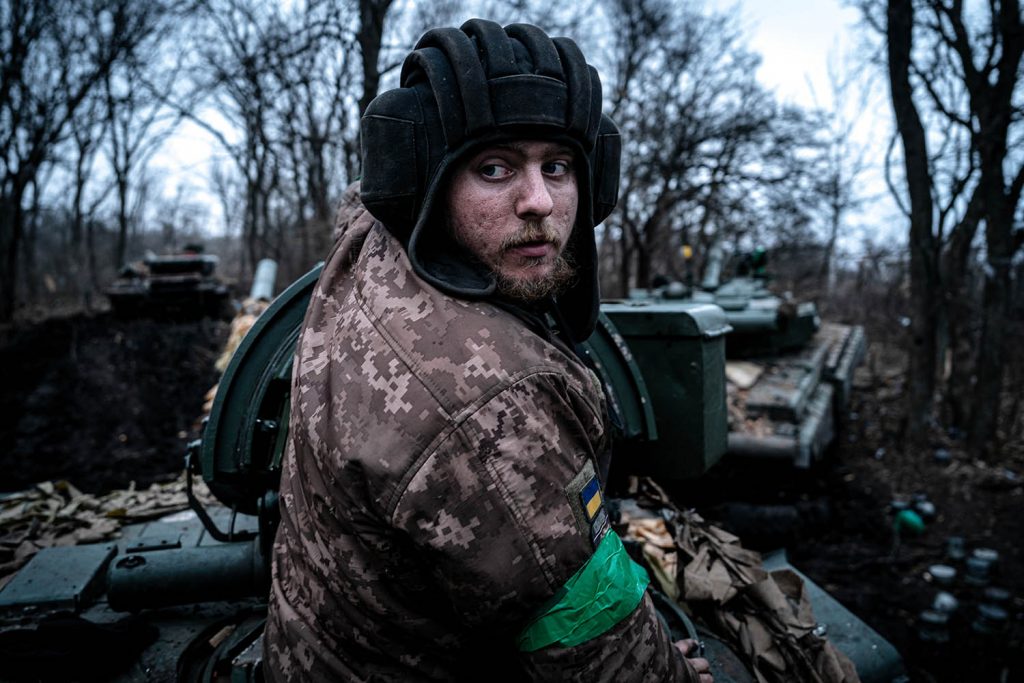
One town, nine months, 40,000 dead and still no end in sight. The front lines in the Battle for Bakhmut have barely moved since last summer. Spring has come, but not the spring offensive.
So what? This is the war in microcosm. So much blood, materiel and propaganda have been invested in the battle that its symbolic significance is now strategic too.
- Its outcome might determine that of the whole conflict.
- That in turn will decide the fate of Ukraine.
- Western weapons could tip the balance, but Ukraine still doesn’t have enough of them.
Sit rep. No more Ukrainian troops will be sent to the frontlines without more tanks, artillery and Himars rocket launchers, President Zelensky told a Japanese journalist at the weekend. He called the broader situation in eastern Ukraine “not good”.
Earlier, Zelensky’s second-most senior general promised to take advantage of weakened Russian positions in Bakhmut, but a recent Ukrainian counter-attack southwest of the city was assessed by the Institute for the Study of War as no more than “incremental”, and Western allies are urging Ukraine not to focus its counteroffensive on Bakhmut.
Catch 22. Those allies want Ukraine to show results on the battlefield, making use of their military aid during an expected spring counteroffensive that if successful would strengthen the case for yet more aid. But Ukraine has few options at the moment.
- 30,000 of its soldiers are elsewhere, being trained on international bases.
- This is the season of mud, which is not good for most of the tracked vehicles already deployed.
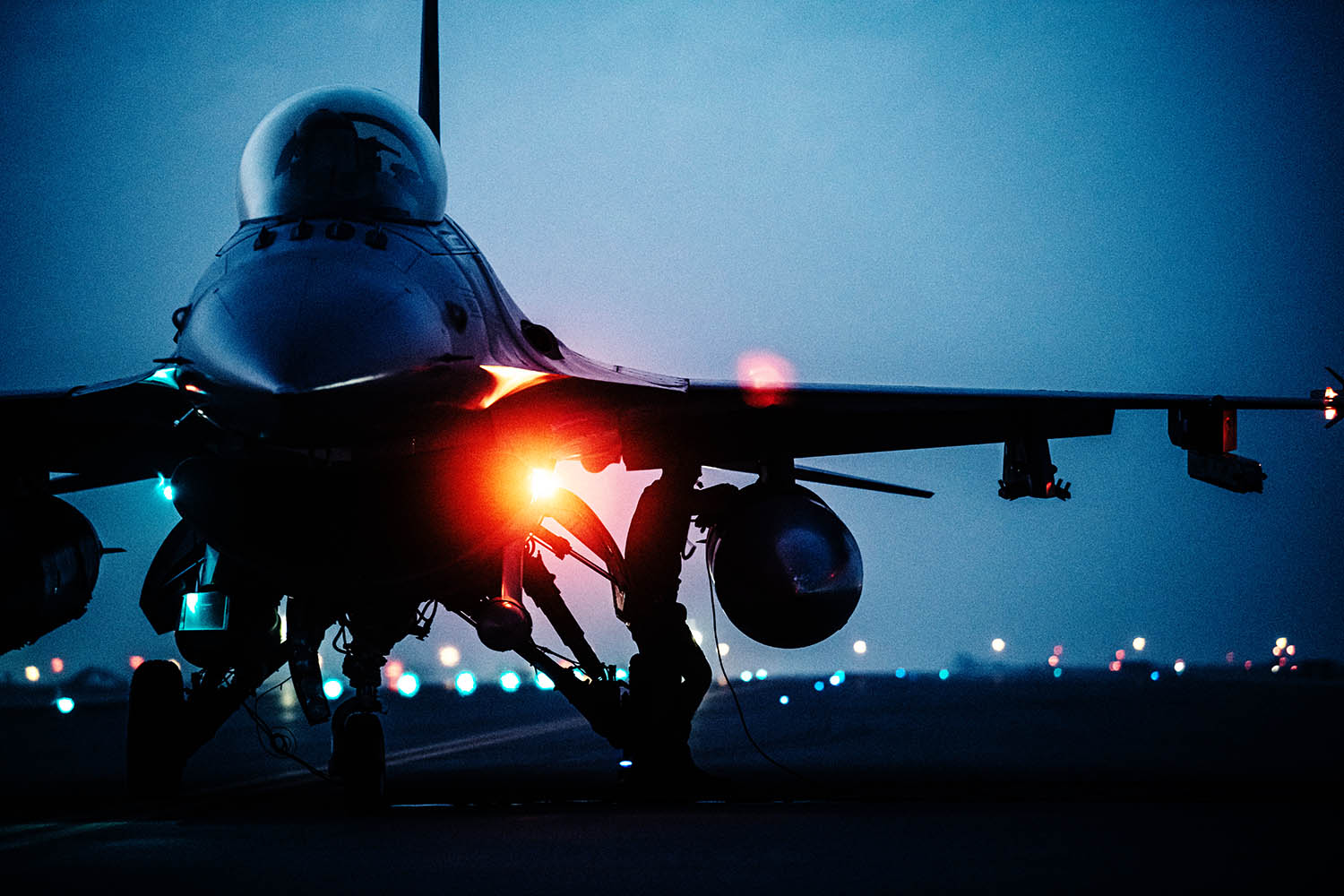
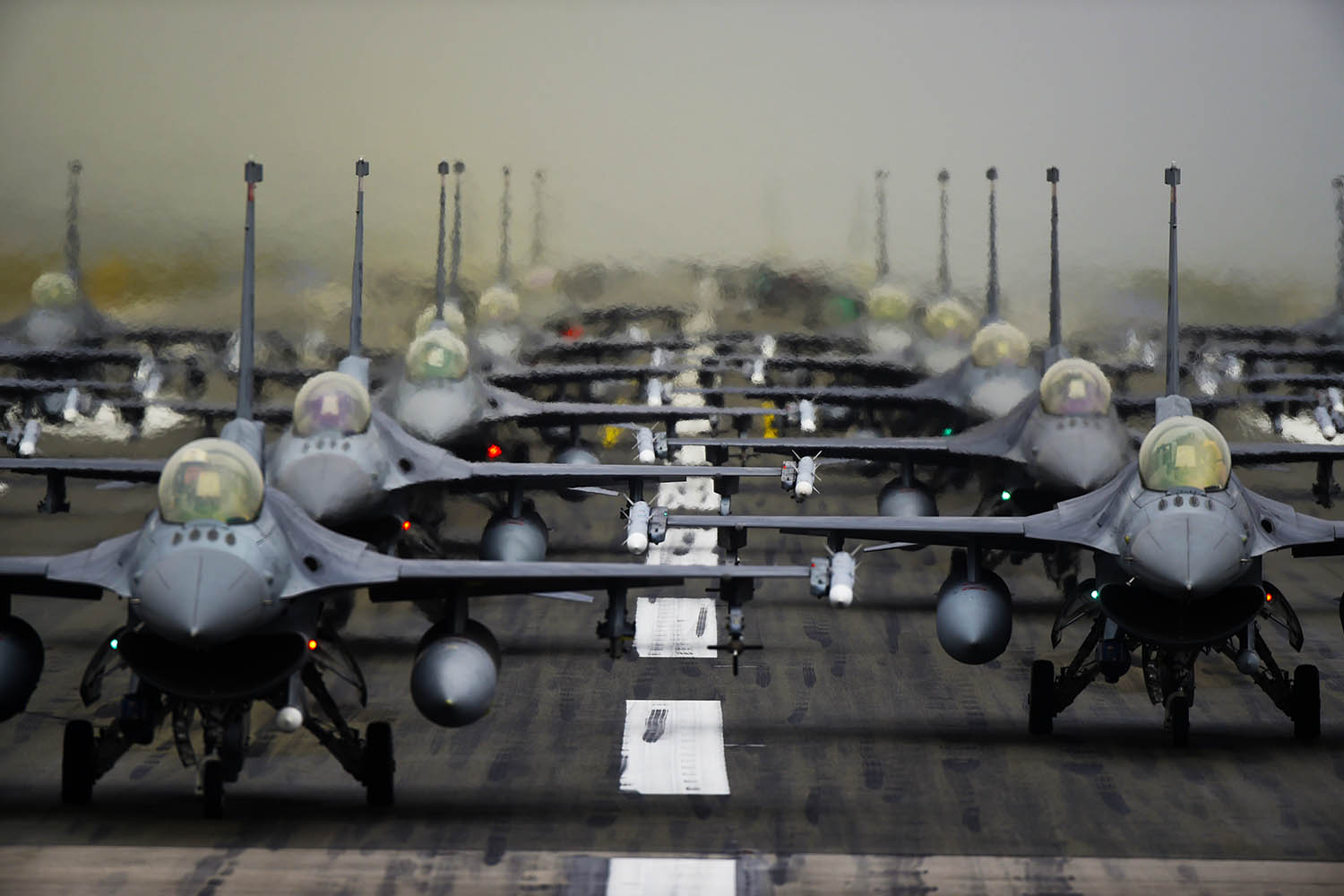
- The tanks, long-range artillery and rocket launchers promised recently by donor nations have not arrived. Talk of providing F-16 fighters has fallen silent and the MiG fighters promised by Poland and Slovakia are much less effective against Russian jets.
Without abundant heavy weapons, the risk is that the counteroffensive exists only on paper.
Go south. The most realistic scenario for Ukrainian forces would be to resist being drawn further into Donbas near Bakhmut and instead cut the land bridge between Russia and Crimea near Melitopol, the Ukrainian military expert Viktor Kevlyuk says. That would split Russia’s troops into two weakened forces in Donbas and Crimea and could pave the way for an attack on the Donetsk region from the south.
In Russia, the stakes are high for several actors including
- Yevgeniy Prigozhin, financier of Wagner mercenary group, who recruited about 40,000 prisoners to fight in Bakhmut, wants to prove that his “army” is more effective than Russia’s regular troops and claims he lacks weapons to fight;
- Sergey Shoigu and Valeriy Gerasimov, defence minister and military commander respectively, who need a win after losing the Kharkiv and Kherson regions last year, as well as needing to undermine Prigozhin as a critiс of the Kremlin and defence ministry; and
- Putin, who needs to show the Russian people a decisive victory after failing to take Kyiv, Chernihiv, Sumy and Kharkiv and losing the only regional capital taken last year – Kherson. His propaganda machine now calls Bakhmut “our Stalingrad”, ignoring the fact that in this analogy his troops are playing the role of the Wehrmacht.
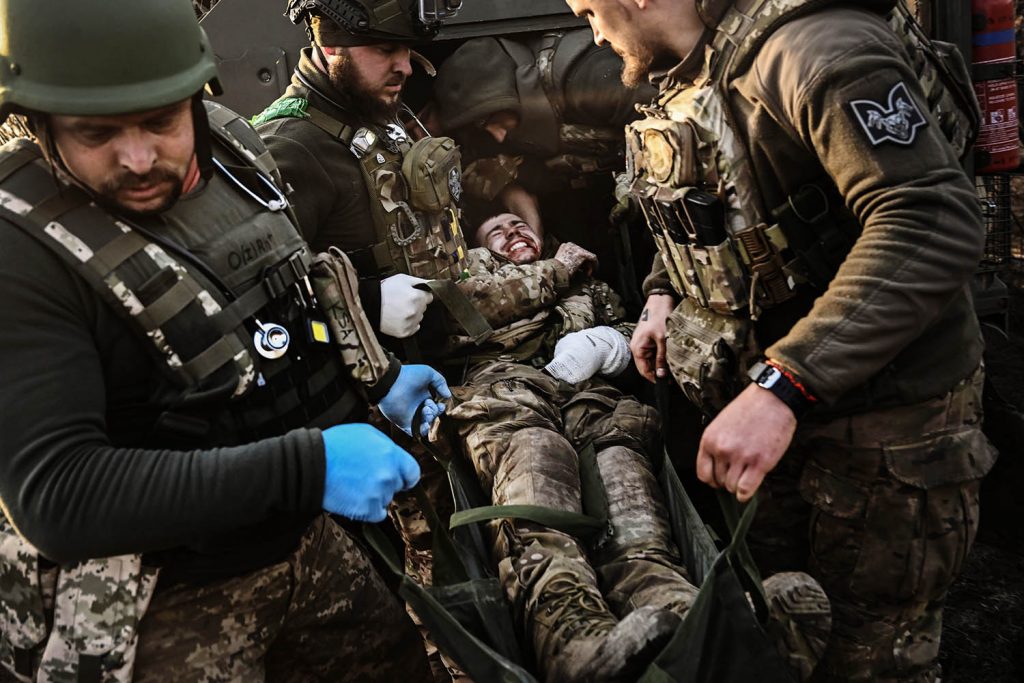
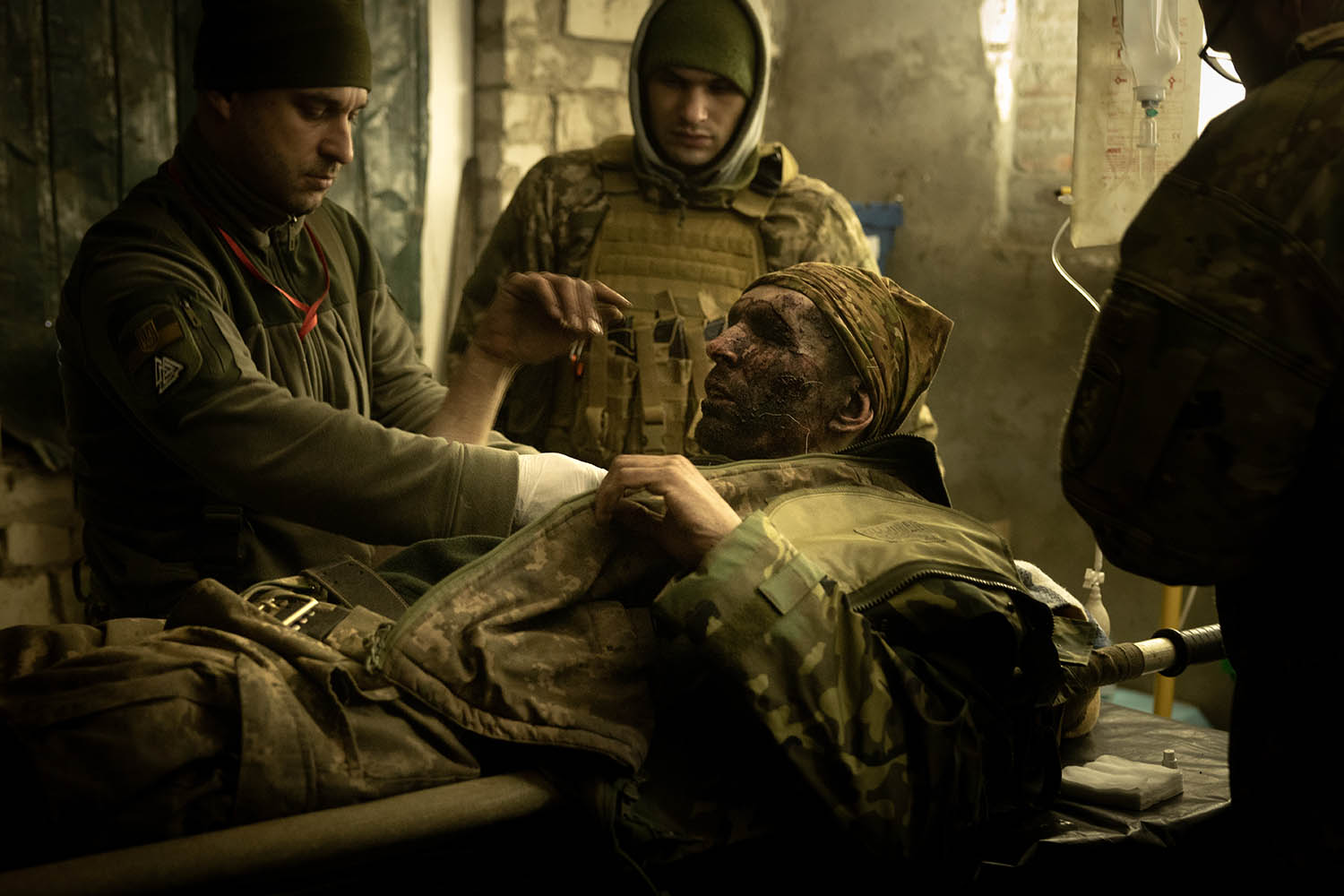
Meat grinder. The fighting in Bakhmut is the fiercest in Europe since World War Two. Ukraine is said to be losing 100-200 soldiers a day but estimates of Russian losses by comparison range from 5:1 to 8:1.
So if last year Bakhmut had little intrinsic strategic value, there is a twin logic to the Ukrainian decision to stand and fight there now: to destroy as many Russians as possible; and to draw them to Bakhmut so there are fewer to resist counterattacks elsewhere.
But the sacrifice will be in vain if long-range weapons capable of destroying Russian positions from a distance don’t arrive fast.
- “Ukraine is being made to fight the war the hard way, not the smart way,” Phillips O’Brien writes in the Atlantic.
- Meanwhile Putin ratchets up his nuclear blackmail by positioning weapons in Belarus; and
- Donald Trump talks of ending the war in 24 hours were he to become president.
Western hesitation now will haunt Ukraine and all the world’s democracies.
America’s Piketty
Two numbers from a must-read FT interview with Matthew Desmond: $175 billion and $11.7 billion. The first is the sum the US Treasury would realise if the top 1 per cent of American earners paid all the tax they owed. (As it is they pay tax at an effective rate of 22 per cent compared with 25 per cent for low and middle-income earners.) The second is the annual revenue flowing to US banks from overdraft fees, most of it paid by those defined in federal statistics as poor. Desmond is a Princeton sociology professor and author of Poverty, by America. He’s also the son of an Arizona pastor on Route 66 whose family home was repossessed when he lost his job. Crucially, Desmond’s new book doesn’t just target the 1 per cent. It shows how a largely liberal upper middle class is complicit in American poverty.

Utah parenting
Last week TikTok boss Shou Zi Chew faced a five-hour grilling from members of a US House committee about the app’s links to China. But that was not the only focus: committee members also called for children’s online safety laws across all social media platforms. US states are not waiting for Congress. On the same day, Utah governor Spencer Cox signed two bills that could dramatically change how children in the state use the internet. The first requires social media platforms to get parental consent for children to create accounts on apps such Instagram, Facebook and TikTok; access to the apps will be limited between 10:30 pm and 6:30 am and companies cannot advertise to children. The second bill makes it easier to sue social media platforms for financial, physical or emotional harm. Both are due to come into effect next March; states including Arkansas, Texas, Ohio and New Jersey are planning similar proposals.
MPs for hire
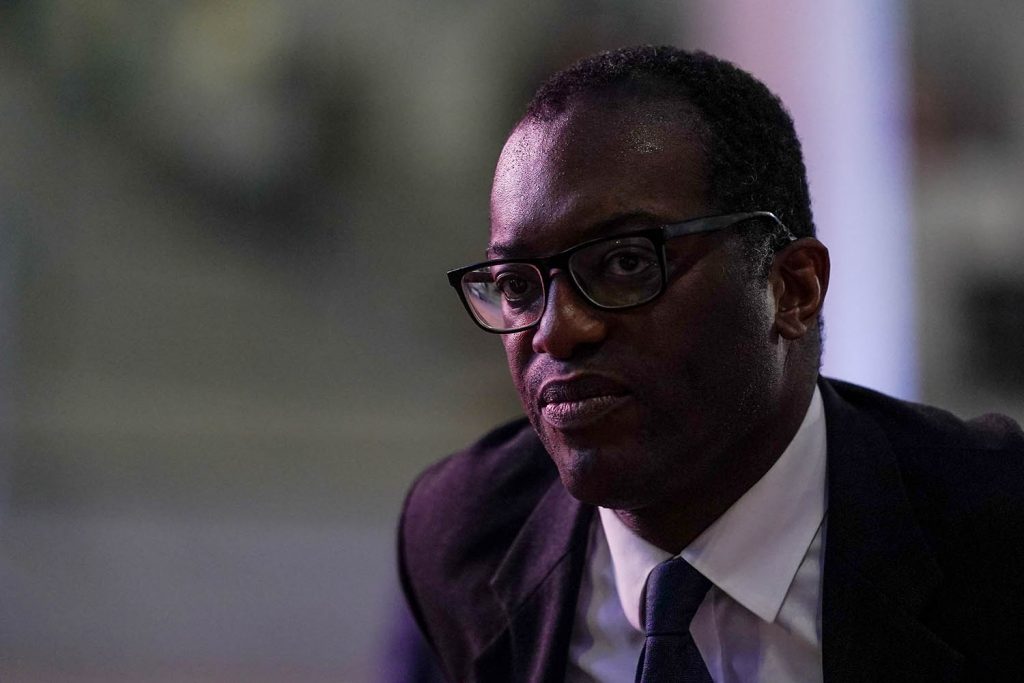
Former Conservative cabinet minister Matt Hancock, 1922 Committee chair Sir Graham Brady and former chancellor Kwasi Kwarteng have all said they would expect five-figure sums for consulting work. The campaign group Led by Donkeys set up a fake South Korean consulting firm and secretly filmed five MPs interviewing to join their advisory board. Hancock, who was paid £320,000 for appearing on I’m A Celebrity… Get Me Out Of Here! said he would expect £10,000 a day. Kwarteng, who said he didn’t need to “earn a king’s ransom” as an MP, said he wouldn’t accept anything less than £10,000 a month. Reminder: this is still far less than their former party leader Boris Johnson is earning outside parliament. Johnson has earned £4.8 million since the last election on top of his £469,000 taxpayer-funded salary. The Tortoise and Sky News Westminster Accounts project has the details. There is no suggestion of wrongdoing by any of the MPs, who are permitted to have second jobs.
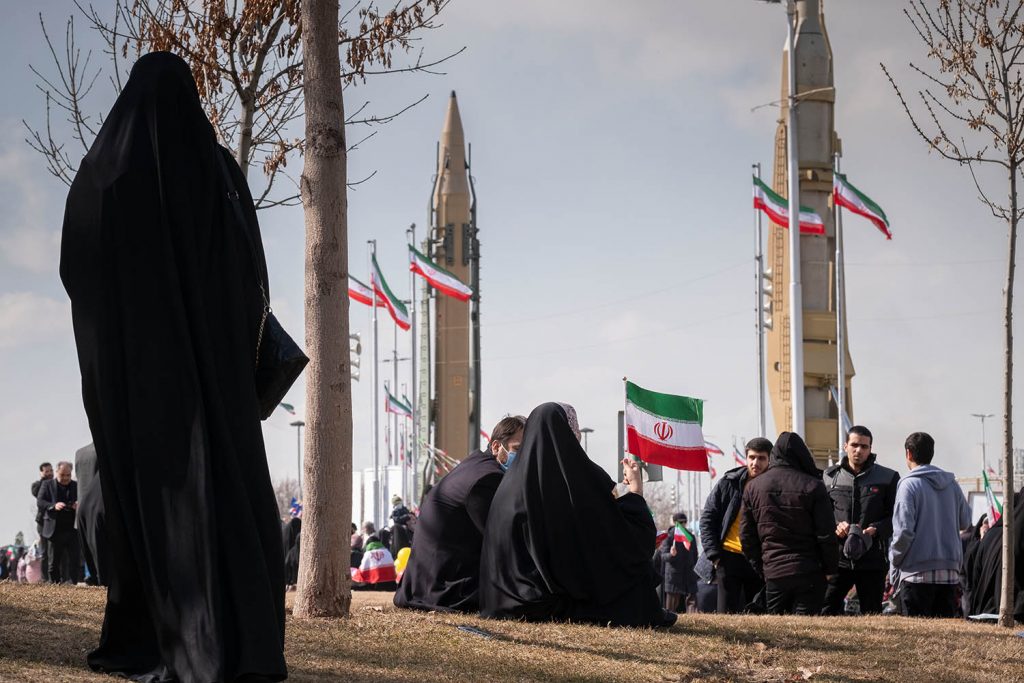
Uranium rhapsody
From the department of predictable catastrophes: a top US general has warned Iran could build a nuclear weapon within months. Gen. Mark Milley, chairman of the Joint Chiefs of Staff, told Congress that Iran could produce enough fissile material for a nuclear weapon in less than two weeks and “would only take several more months to produce an actual nuclear weapon” – a significantly shorter timeframe than previous public statements by officials, the WSJ reports. US intelligence said last month that Iran is not in the process of developing a nuclear weapon – but the country is enriching uranium to levels very close to weapons-grade, while talks to revive a nuclear deal signed with world powers are on hold.
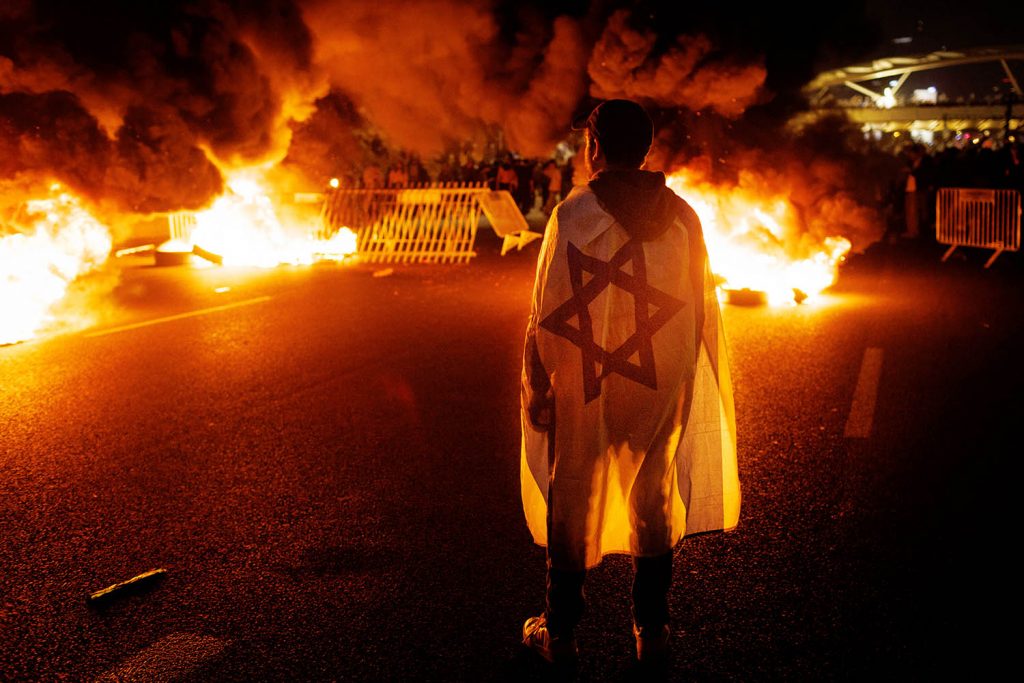
Bibi links
Will Israel’s judiciary be subject to the whims of an unstable parliament and the increasingly polarised coalitions it produces? Or will it retain the distance from day-to-day politics that hundreds of thousands of citizens believe it needs? Those citizens took to the streets of Tel Aviv and other cities yesterday after Benjamin Netanyahu sacked his defence minister for daring to criticise judicial reforms that would subordinate the judiciary to the Knesset and the government and allow judges to be appointed by politicians. Netanyahu was under pressure to put the reform process on hold this morning after Israel’s president, Isaac Herzog, appealed to him to come to his senses “for the sake of the unity of the people of Israel”. Netanyahu faces charges of fraud and bribe-taking for which he could be tried even while serving as prime minister.
27/3 – Office for National Statistics publishes latest GDP figures; London Tech Week begins; voting closes for Scottish National Party’s leadership election; PCS union driving examiners to strike in northeast and Scotland, 28/3 – ONS publishes unemployment figures; Unison annual conference held in Brighton; Bank of England governor Andrew Bailey to speak at select committee session on Silicon Valley Bank, 29/3 – Swearing in of new Scottish First Minister; latest Covid-19 antibody estimates published; House of Lords votes on Windsor Framework, 30/3 – King Charles on state visit to Germany; Royal College of Physicians conference held in London, 31/3 – Government Energy Bill Relief Scheme to end; Natural History Museum opens Titanosaur exhibition, 1/4 – National Living Wage increase takes effect; energy price cap and new energy bills discount scheme take effect, 2/4 – Olivier Awards
27/3 – Former Taiwan president Ma Ying-jeou begins historic 10-day visit to China; Hungary’s parliament to vote on Finland’s bid to join Nato, 28/3 – Merrick Garland at US Senate committee hearing on budget request, 29/3 – US host Summit for Democracy; deadline for US federal agencies to remove TikTok from government devices; ECHR healing on case against Swiss government over climate change, 30/3 – European Central Bank general council meeting in Frankfurt; Spanish Prime Minister Pedro Sanchez on two-day visit to China; Jair Bolsonaro due to return to Brazil; Major League Baseball season returns, 31/3 – End of European Gas Demand Reduction plan; Trans Day of Visibility, 1/4 – April Fools’ day; Islamic Republic day in Iran; 2/4 – Palm Sunday; Bulgaria and Finland parliamentary elections
Thanks for reading. Please tell your friends to sign up, send us ideas and let us know what you think. Email sensemaker@tortoisemedia.com.
Nina Kuryata
@NinaKuryata
Additional reporting by Phoebe Davis.
Photographs Getty Images