
What just happened
- Five people were killed and seven injured in a mass shooting at a bank in Kentucky livestreamed by the gunman on Instagram.
- The UK unveiled a plan to give pregnant smokers £400 in shopping vouchers to give up.
- An unnamed buyer paid a record $15 million in Dubai for the number plate P7.
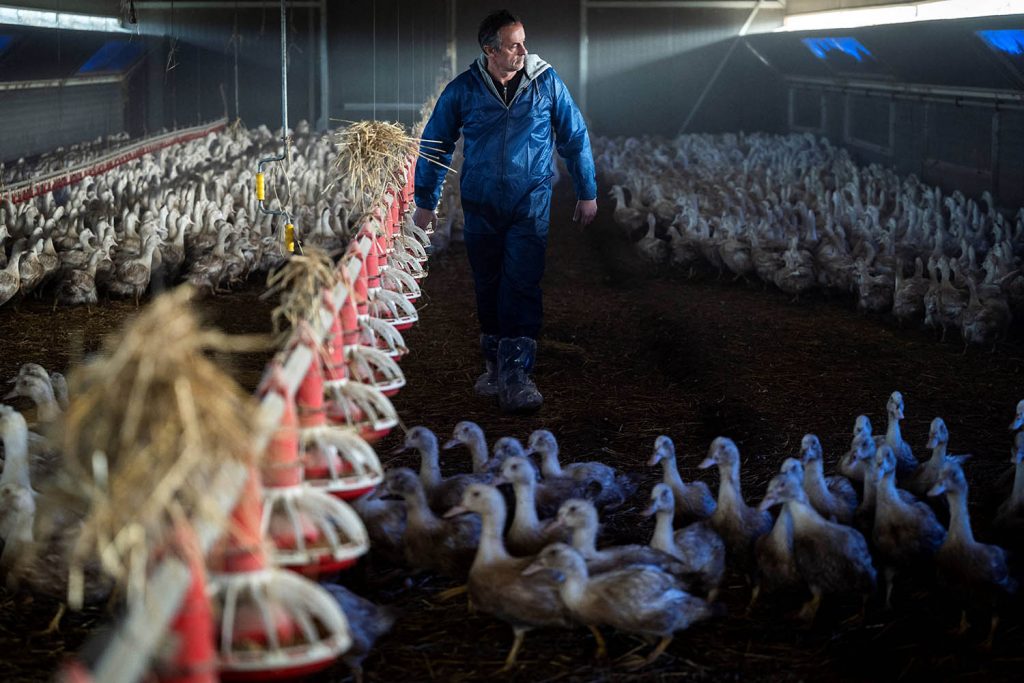
A global outbreak of avian flu is driving up the cost of eggs and forcing mass poultry culls on several continents. It’s also raising concerns about transmission to other species, including people.
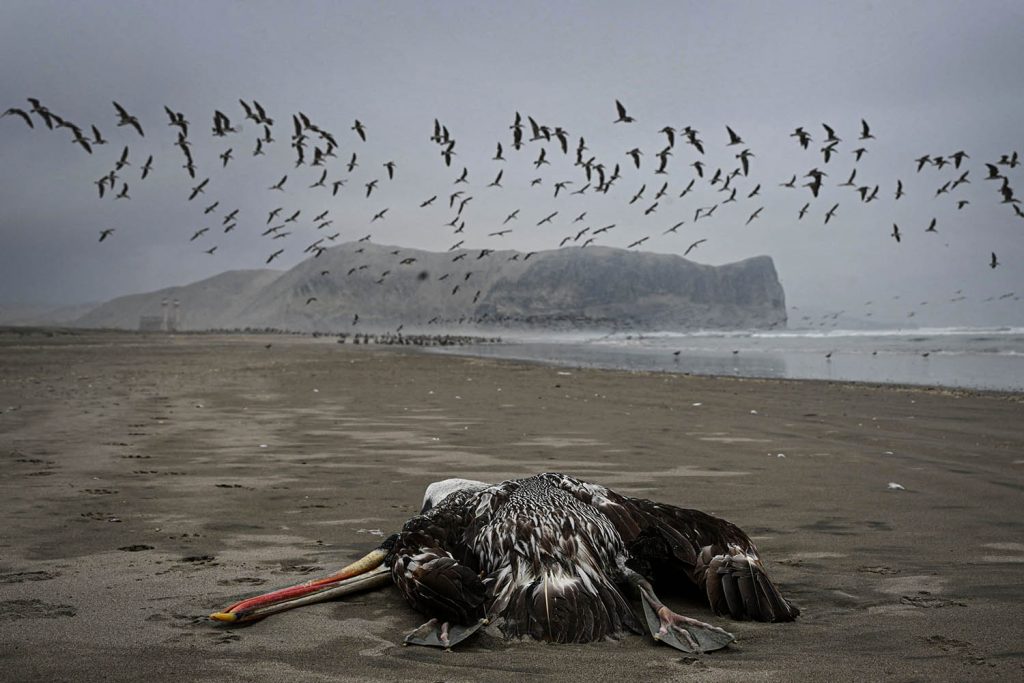
The H5N1 strain of the virus that re-emerged in October 2021 has led to the deaths of millions of chickens, and the US and EU have collectively spent over $1 billion this year in prevention costs and compensation for farmers. It has devastated wild bird populations and is appearing increasingly in mammals.
So what? For now, the WHO says there’s no evidence of bird flu transmission between humans. Following two cases in Cambodia in February, health authorities concluded that they were “infected from birds in their village” and not by other people. Still, there are reasons alarm bells should be ringing.
H5N1 has been circulating since 1996 but this wave differs in terms of
- Scale. The largest outbreak in history has led to the deaths of 140 million farmed birds through disease or culling. Last week, several prefectures in Japan announced they had run out of suitable land to bury culled chickens.
- Seasonality. “The fact the virus is here in the UK year-round is really concerning,” says Clare Smith, Senior Policy Officer at the RSPB. “Lots of the birds that migrate here during the winter are also going to encounter the virus in their breeding grounds.”
- Species affected. In addition to a surge in seabird deaths, ten countries have reported outbreaks in mammal populations, usually the result of ingesting dead birds. Since November, the government of Peru has reported the deaths of 3,500 South American sea lions – roughly 3 per cent of the country’s sea lion population.
A large outbreak on a mink farm in Spain earlier this year heightened fears that the virus is finding opportunities to mutate, developing the ability to pass between more than just birds.
“The ears of the global health community are perked,” says Rebecca Katz, Director of the Center for Global Health Science and Security at Georgetown University. “Everybody is watching now that we are seeing what appears to be sustained transmission among mammals.”
Birdshot? Working on the assumption that the flu is here to stay, some poultry producers are pushing for the vaccination of flocks – a practice common in Asian countries where the virus is endemic. France has already broken ranks with the rest of Europe and launched a tender for 80 million doses of vaccine. But vaccination is technically complex and has the potential to throw up barriers to trade.
“It’s the elephant in the room now. Everyone is talking about vaccination. Countries in Europe and North America that weren’t ready to have this discussion are reopening the toolbox,” says Dr Gregorio Torres, Head of Science at the World Organization for Animal Health.
Limiting movement of sick birds in and out of farms and live markets can reduce transmission. So can changing what we consume. Soaring demand for meat and eggs has drastically shifted production and land use patterns. This drives animals and humans into ever greater contact and escalates pandemic risk.
What Covid? Three years after Covid brought the world to a halt, experts say the global health system is suffering from amnesia. “I fear we are less safe today than we were in 2019,” Katz says.
Jeremy Farrar, incoming chief scientist at the WHO, says bird flu is a “big worry” and that “if there was an outbreak tomorrow of H5N1 in humans, we wouldn’t be able to vaccinate the world within 2023”.
Gavi, the vaccine alliance, has called for more research into mRNA vaccines to immunise against H5N1 in humans. GSK, Moderna, and CSL are all developing sample human vaccines that better match the circulating subtype. Meanwhile, the UK Health Security Agency is preparing plans to deploy lateral flow tests for bird flu if human transmission does occur.
While cases of bird flu in humans are low, mortality rates are high. The WHO says that of 870 humans that have been infected with avian flu over the past 20 years 457 have died. That doesn’t mean a future strain circulating in humans would necessarily be as lethal, but Covid has shown that being prepared pays.
Direct oil subsidy
Removing CO2 from the air is hard and expensive, but Occidental Petroleum is contriving to make it look easy and cheap. It’s spending $1 billion on the first of a fleet of giant direct air capture plants planned for Texas and Louisiana where fans the size of tennis courts will suck in air and scrub it of CO2 to be buried underground. Direct air capture technology has existed for years but was not commercially viable until last year’s Inflation Reduction Act raised US tax credits for captured CO2 from $50 to $180 per ton. Vicky Hollub, Occidental’s CEO, has become the poster child of what she hopes will be a lucrative carbon capture industry – generating more profits for more oil extraction.

Peak screen?
The new i7 luxury saloon from BMW has a long curved stream in the dashboard, a 31-inch touchscreen for passengers in the rear seats and extra screens in each of their armrests. Next up: heads-up displays filling as much or as little of the windscreen as you wish with mission-critical information like speed and remaining battery life but also the menus and opening hours of passing restaurants. For a while now it’s been fashionable (and instructive) to think of EVs as smartphones on wheels. The NYT suggests they’ve become rolling supercomputers, with cockpit screens the focus of up to 14 times more code than in a Boeing 787 Dreamliner. It is still possible to look out of the window and admire the view.
Doctors on the picket line
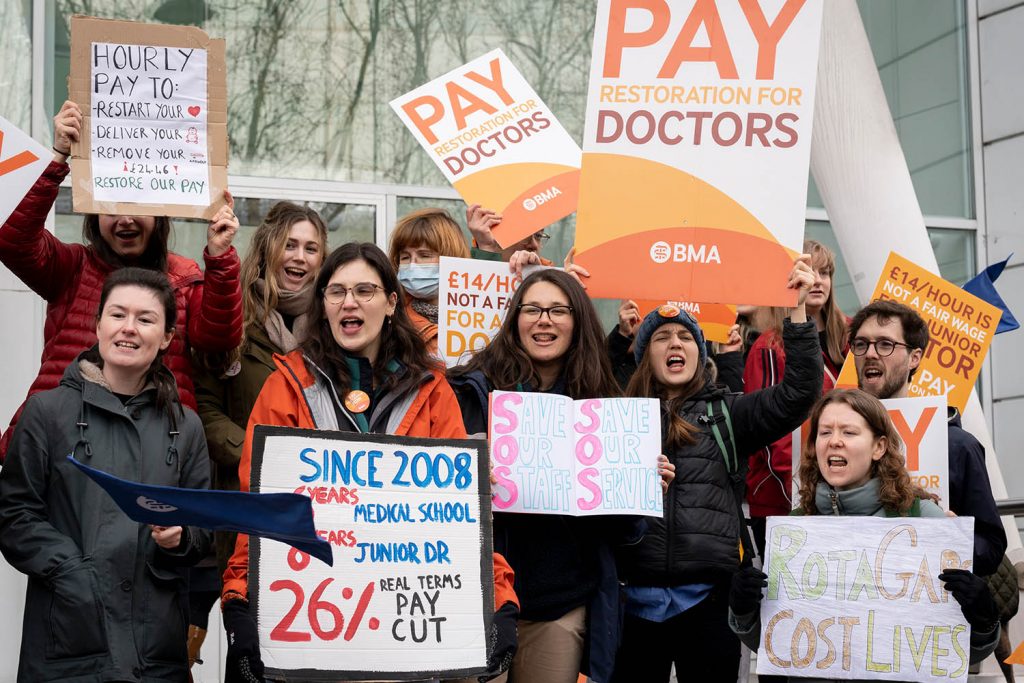
Today junior doctors in England begin a four-day strike over pay, leaving patient care at risk and up to 350,000 appointments subject to cancellation. Since 2010, junior doctors have suffered a real-terms pay cut of 26 per cent if measured using the retail price index – they’re now demanding a 35 per cent increase. A decade of low pay has taken its toll – a survey by the British Medical Association (BMA) has found that 40 per cent of junior doctors plan to leave the health service as soon as they find another job, with a third wanting to leave the UK to work abroad. Dr Rob Laurenson, co-chair of the BMA junior doctors committee, said last month that Britain “already [has] an exodus of doctors going to work in Australia and New Zealand.” It might be smart to study Australasian doctors’ Ts and Cs and replicate them back in the UK.
New Standard
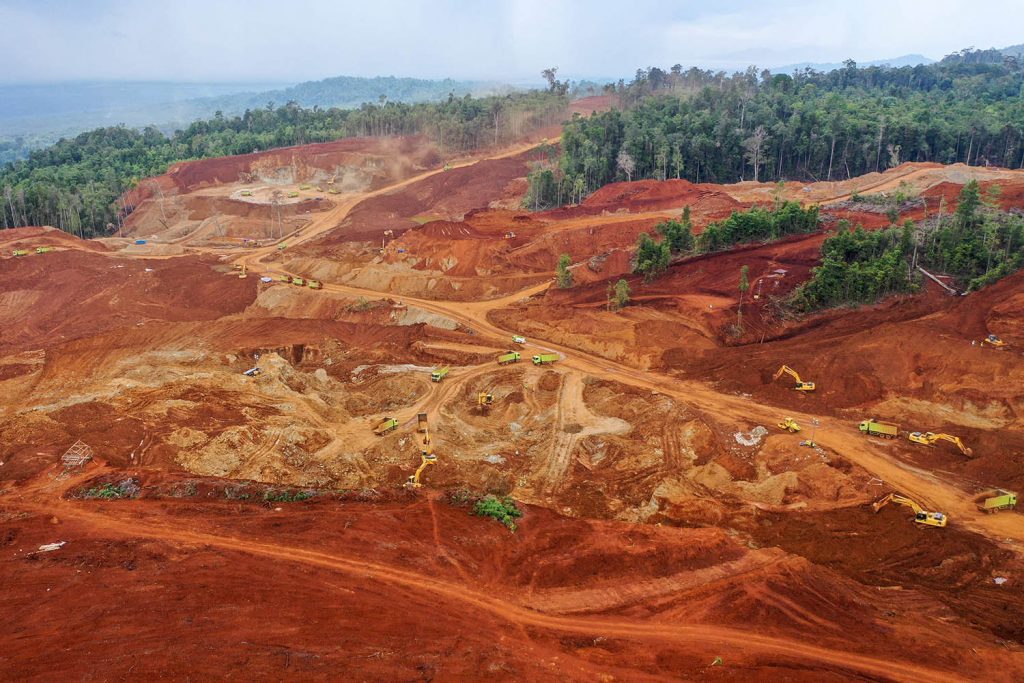
In the early 20th Century Standard Oil bestrode the world of oil extraction, refining and distribution, made a fortune for the Rockefellers and laid the corporate foundations for three of the western world’s six supermajors. In the early 21st Century, there’s CATL, the Chinese EV battery giant. As Anjani Trivedi explains in a must-read Bloomberg column, the Contemporary Amperex Technology Co. has muscled its way to a dominant global position in the mining and manufacturing on which the transition to electric cars depends. Chinese car makers depend on it but so do Tesla and Mercedes. Other battery makers are racing to secure supplies of nickel and other key metals in places like Indonesia, but CATL got there first. It’s backed by the Chinese state but not dependent on it – and unlike Standard Oil it has little reason to worry about being broken up by antitrust authorities.
Mined for decades
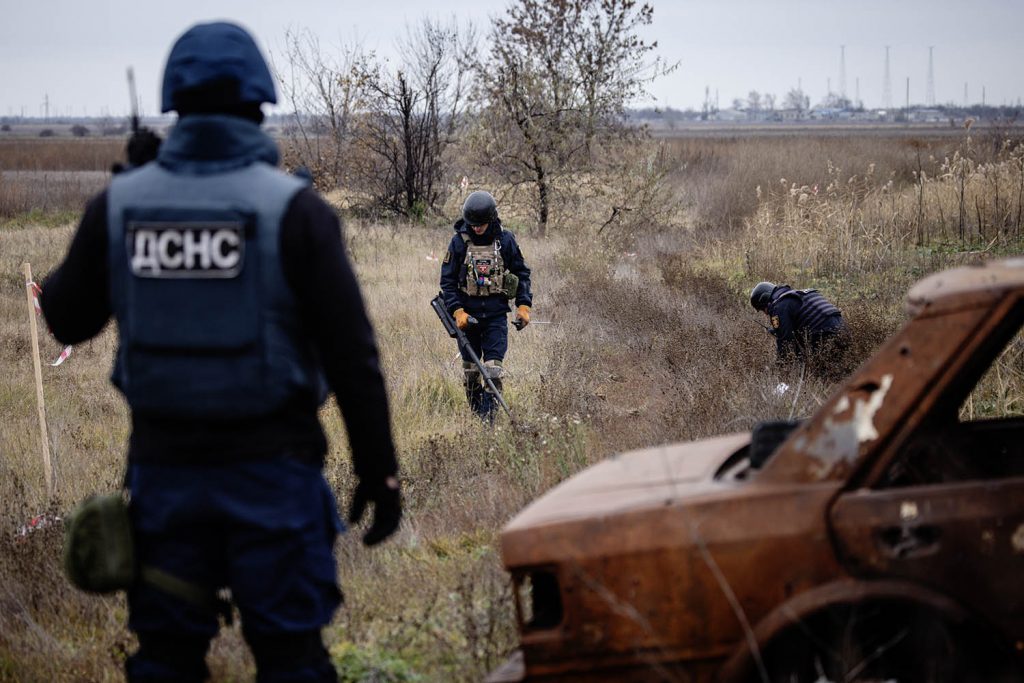
Sixty-five thousand square miles of northeastern Ukraine will be pitted with landmines for decades unless allies help remove them, officials in Kyiv tell the BBC. Intense mining of the farmland round Kharkiv began as soon as Russian troops rolled into Ukraine last year. 55,000 mines have since been found, many of them shaped to look like children’s toys. More than 700 Ukrainians have been killed or injured by mines so far, Prime Minister Denis Shmyhal said last week, and the World Bank estimates that demining the whole country will cost £30 billion. For reference, clearing mines left in Ukraine after World War Two was still a work in progress when the current war began.
Thanks for reading. Please tell your friends to sign up, send us ideas and tell us what you think. Email sensemaker@tortoisemedia.com.
Barney Macintyre
@barneymac
Additional reporting by Giles Whittell and James Wilson
Graphic by Katie Riley
Photographs Getty Images