

The CBI, Britain's leading business lobby group, is supposed to set an example on issues of governance and purpose. It's now facing a crisis.
- JPMorgan sent a memo to managing directors asking them to work from the office for five days a week.
- EY, one of the Big Four accounting firms, called off a plan to break up its audit and consulting units.
- Juul Labs agreed to pay $462m to settle claims by six US states after being accused of targeting teenagers with its vaping product.
Britain’s leading business lobbying group is in crisis: the government has suspended engagement with the CBI, companies are reviewing membership and events have been cancelled.
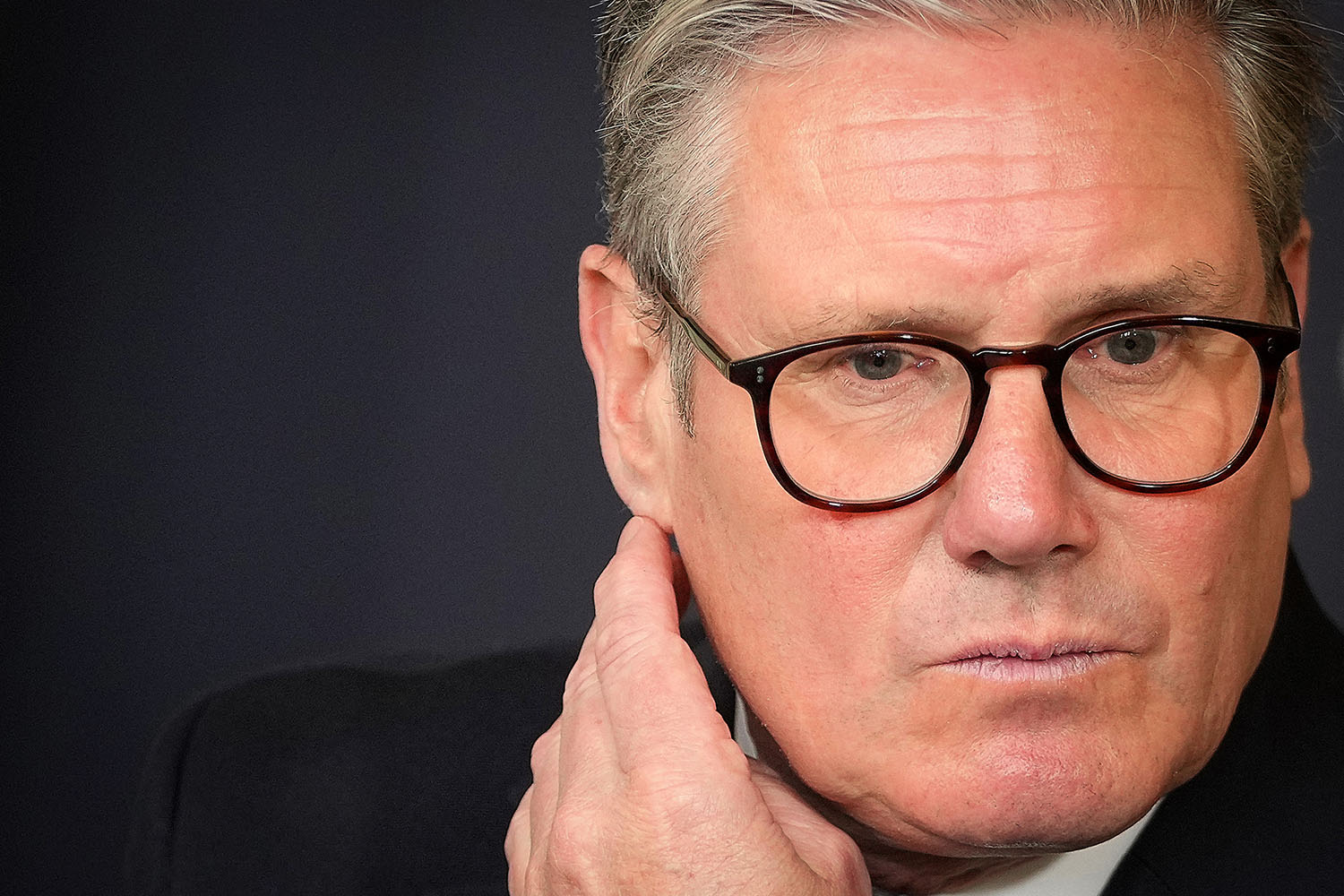
Tony Danker, its director-general, was sacked this week following allegations of workplace misconduct. Further claims of sexual harassment and rape have been made that are separate from the allegations against Danker, who said he was shocked to be dismissed and had “unintentionally” made colleagues uncomfortable.
So what? The scandal at an organisation meant to be the standard-bearer for values in British business is a reminder of the scale and risk of sexual misconduct issues at work.
If the job of a board is to oversee culture and strategy, then the CBI faces a deeper crisis on both fronts.
Governance: the CBI’s board is led by Brian McBride, the former UK CEO of Amazon, and includes its previous president Lord Karan Bilimoria, founder of Cobra Beer; Dame Vivian Hunt, previously senior partner at McKinsey; and Clare Barclay, CEO of Microsoft UK, among others. Questions for the board fall under at least four headings:
i) Culture – if this was, as the board says, “organisational failure” involving a catalogue of stories that caused “revulsion” on the board, why have serious allegations lingered for so long?
ii) Process – why was Danker dismissed without being invited to put his position, as he claims he was assured he would be?
iii) Leadership – did the CBI panic in appointing Rain Newton-Smith, the CBI’s former chief economist and part of the previous leadership team, at barely a day’s notice, without a competitive and open process?
iv) Communication – who’s speaking for the CBI Board as it digs the organisation out from here?
Purpose: the crisis has led to questioning of the role of the CBI. It has a history of struggling to balance its competing roles of advocacy for members and providing them with access to government. The board now needs to direct the new leadership to choose, and the lesson of the last difficult decade of relations with the Conservative government is that it’s more powerful prioritising the forthright defence of business interests than currying favour in Westminster and Whitehall for the sake of access.
The CBI is only 58 years old. It claims to represent 190,000 businesses but its roots go wide, not deep. To survive it needs to make sure three things happen:
Investigate. The sexual misconduct claims brought by more than a dozen women, including one of rape at a 2019 office party on a Thames riverboat, have to be investigated quickly and thoroughly.
Communicate. McBride has kept a low profile since Danker’s initial suspension last month. One attendee at a recent members’ meeting said he may not even have said sorry. He needs to be as frank and forthcoming as he would expect his members’ directors to be.
Advocate. The CBI has struggled with political decisions on which it should have taken clear, principled stands that represent the interests and attitudes of the majority of its members:
- The Euro. Under Adair Turner, it campaigned in favour of the single currency. His successor Digby Jones retreated from this position, saying the debate was becoming “sterile”.
- Scotland. The CBI registered as a supporter of the No campaign in the 2014 independence referendum, then U-turned after members in Scotland quit the CBI to maintain neutrality.
- Brexit. The CBI campaigned vigorously against leaving the EU. JCB, the construction equipment company, quit – apparently in response. Relations with Boris Johnson’s government were chilly and hardline Brexiteers would still like “to see the death of the CBI because it has always been too influential a voice for their liking and not in their direction of travel,” says Paul Drechsler, CBI director from 2015-18.
But the decision to oppose Brexit was the right one. Government efforts to marginalise the CBI in response didn’t change that. The damage to British business from erecting barriers to trade with Europe has been huge, and the CBI’s willingness on Danker’s watch to accept the Brexit issue as settled in order to repair the relationship with Downing Street was clearly wrong. The economic price of Brexit is in the numbers.
“If the CBI hadn’t existed we would have had a much harder Brexit than the one we had,” Drechsler says. “All the work that Philip Hammond and Theresa May tried to do to get a softer landing was because they were listening to the voice of business.”
This may be so, but a more obvious lesson is that there is no enduring benefit for business in having a CBI that minces its words. If McBride and Lord Bilimoria think their role now is to weather the Danker affair and return to business as usual, they will need to think again.
(Tortoise has worked with the CBI in hosting events and webinars.)