
What just happened
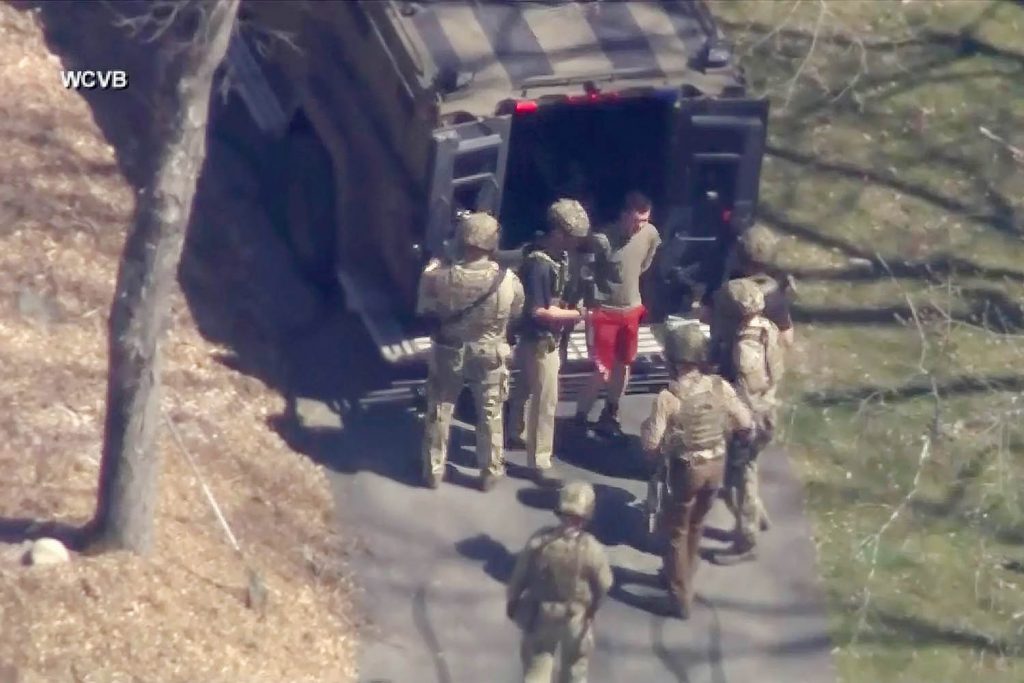
- The FBI arrested Jack Teixeira, a 21 year-old member of the Massachusetts Air National Guard, in connection with the Discord leaks (more below).
- Florida approved a six-week abortion ban, as a Texas case over access to abortion pills heads to the Supreme Court.
- Britain’s Premier League clubs agreed to drop gambling advertisements from their matchday football shirts.
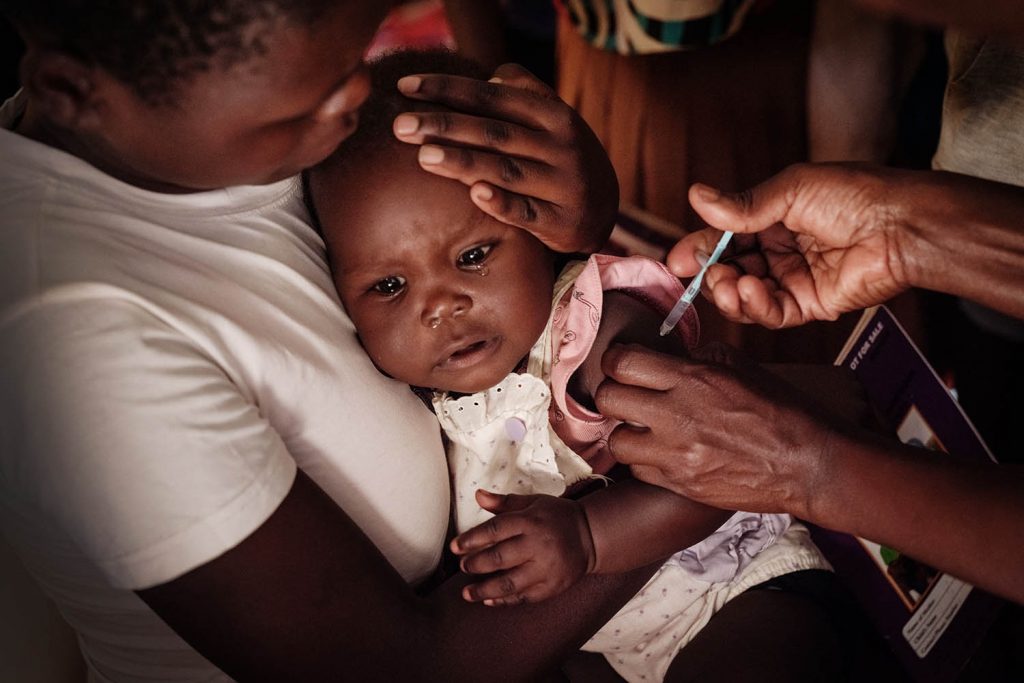
Ghana has become the first country to approve a new malaria vaccine 30 years in the making and up to 80 per cent effective – and it has done so before approval has been granted by the WHO.
So what? The R21 vaccine from Oxford’s Jenner Institute could, according to the scientist who led its development
- play a leading role in eradicating malaria in sub-Saharan Africa by the 2030s;
- radically lower infant mortality in the process; and
- shrink family sizes and boost economic growth as a result.
WHO approval is expected after phase III trial results are published, but Ghana’s accelerated uptake could be a sign of things to come in African countries ill-served by the Covid vaccine roll-out.
Home run. The R21 vaccine uses an adjuvant known as Matrix-M, patented by Novavax and also used in Covid vaccines. It boosts the immune response at the site of injection and local lymph nodes. It’s not quite one vaccine in a million, but it’s close:
- Barely three of the 142 malaria vaccines so far taken to clinical trial stage are “plausibly usable” in real-world settings, the Jenner Institutes’ Professor Adrian Hill told the FT last year.
- R21’s 80 per cent effectiveness score is based on phase I and II results of a large-scale trial in Europe and Africa using a regimen of three initial doses and a follow-up a year later. Ghanaian health officials are thought to have seen pre-publication phase III results that confirm its efficacy.
- The only other vaccine already in wide use – GSK’s RS,S – is only 44 per cent effective.
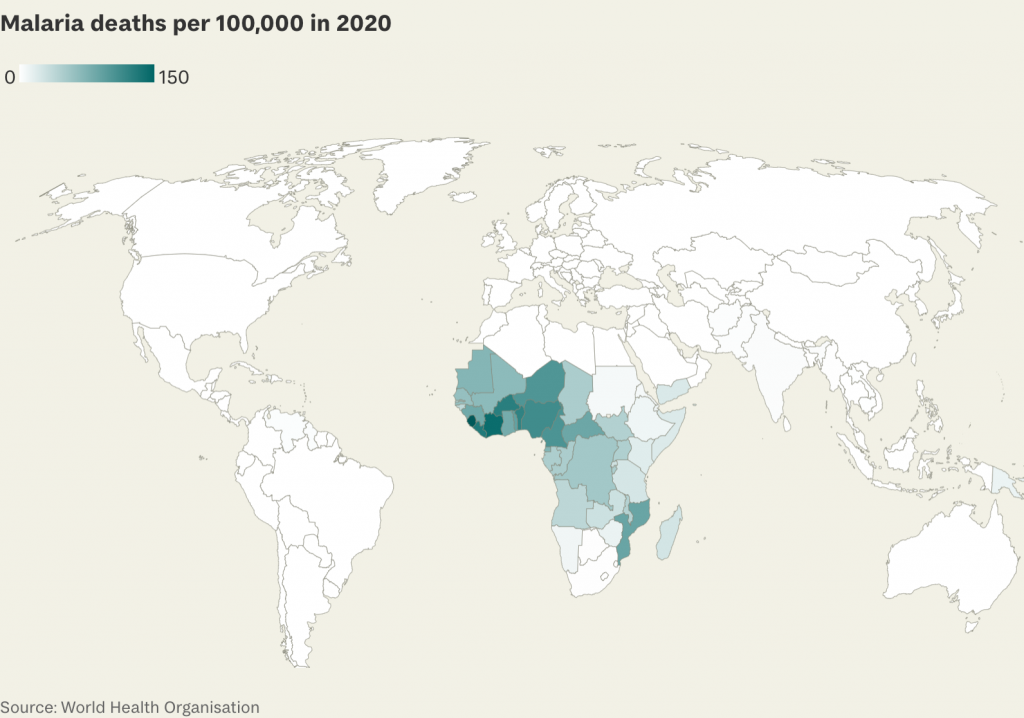
The introduction of R21 is “a hugely exciting step in the fight against the parasite,” says Robert Moar, a field trials manager at BisSis Insects Control. “It is notoriously difficult to control and manage, and given that 90 per cent of the world’s malaria burden is in Africa, it is hardly surprising that Ghana has approved the vaccine ahead of the WHO.”
Curve ball 1. Several African countries are struggling to cope with the invasion of a new strain of malaria-carrying mosquito. The Anopheles stephensi caused a 2,800-fold spike in cases in Djibouti in the decade after it arrived from Asia in 2012. Its advance south and west from the Horn of Africa is eroding hopes that African urbanization will naturally curb malaria’s prevalence, because unlike the indigenous Anopheles gambiae, the stephensi thrives in urban settings.
Curve ball 2: Ghana’s approval of R21 doesn’t necessarily mean it will be funded by global vaccine bodies, which typically wait for WHO approval.
But but but: R21 is cheap at $1-2 per dose and the Serum Institute of India (SSI), the world’s biggest vaccine manufacturer, is licensed and ready to mass-produce it.
By the numbers:
247 million – malaria cases worldwide in 2021
95 – percentage share of those cases that occur in Africa
619,000 – malaria deaths worldwide in 2021
80 – percentage share of those deaths accounted for by children under five
200 million – doses per year of R21 that the SSI intends to produce
Glass half-full. “If you’d asked me 15 years ago, ‘can you eradicate malaria with vaccines to the fore?’, I wouldn’t have been sure,” Hill told the FT’s Henry Mance. “Today I’m sure. This is the breakthrough tool.” If so, this has been a story more of perspiration than inspiration, but it’s no less remarkable for that.
Something for the weekend: A short email that began: “Jerry, sadly I’ve decided to call an end to our marriage”, is how Rupert Murdoch concluded his relationship with fourth wife Jerry Hall last summer, says Gabriel Sherman in Vanity Fair. It’s worth reading the piece in full.
Japan’s first casino
Japan has approved plans to build the country’s first casino. A resort including a conference centre, casino, hotel and theatre will be built in the western city of Osaka and could open by 2029. The initial cost: 1.8 trillion yen ($13.5 billion). The target: to bring in 20 million guests and 520 billion yen ($3.9 billion) of revenue every year. Japan has avoided casinos in the past due to public concerns over gambling addiction and corruption – but alternative methods of gambling, from horse racing to pachinko, a pinball-like game, are hugely popular. The casino operators estimate that 70 per cent of visitors in the first three years will be domestic tourists. The country’s ageing population could mean the sector won’t be expanding hugely in the decades to come – but for now, the potential earnings make it a worthwhile bet.
Discord at home
Jack Teixeira, a 21 year-old Massachusetts Air National Guardsman, has been arrested on suspicion of leaking hundreds of US intelligence documents onto a forum called Thug Shaker Central. There, alongside to racist memes, he is accused of posting top-secret documents that detail everything from how many Western special forces are in Ukraine to how Egypt secretly planned to send tens of thousands of rockets to Russia. Heavily armed FBI tactical units swarmed his mother’s home on Thursday. A photo shows him calmly reading a book in his garden just before the arrest. Unlike previous massive leaks of US intelligence, the motive does not appear to be outrage at American security policies. Instead, it seems that he wanted to use his classified clearance to educate a close-knit group of young men online. He is due to appear in a Boston court later on Friday.