
What just happened
- The biggest rocket ever built blew up four minutes into its maiden flight (more below).
- Twitter started removing the verified “blue tick” logo from non-paying users.
- French police were cleared to use drones equipped with cameras for crowd monitoring.
Scottish dream fades. In the three weeks since Humza Yousaf was sworn in as Scotland’s new first minister, two of his top party officials have been arrested, a £110,000 motorhome has been impounded by police and Yousaf has been forced to tell the Scottish parliament he doesn’t think the party is being run in “a criminal way”.
So what? “Not criminal” is not a good look. Yousaf’s record in government was already weak. His challenge in following Nicola Sturgeon as the face of the Scottish independence movement was already daunting. It now looks all but impossible:
- Sturgeon’s legacy, built over many years, is unravelling in weeks.
- Infighting between rival pro-independence factions may be behind the police action and could delay progress towards independence by years.
- The Scottish National Party’s stranglehold over Scottish politics is broken and rival parties smell blood at the next Westminster election.
Cops and politicians. Colin Beattie, the SNP’s treasurer, was arrested on the morning Yousaf was to set out his “fresh vision” to Holyrood. Beattie was interviewed as part of an investigation into SNP funding and later released without charge, but Yousaf was left telling journalists the arrest was “not ideal”.
Gradually, then suddenly. The SNP’s funding mess has been years in the making:
May 2021 Douglas Chapman MP resigns as party treasurer saying he had not been given enough information to do the job.
July 2021 Police Scotland launch an investigation into the party’s fundraising following allegations that around £660,000 raised since 2017 for a second independence referendum was spent on other things.
August 2021 In the party accounts, Beattie acknowledges “concern” about transparency.
October 2022 Auditor Johnston Carmichael resigns – a move not made public until this month.
December 2022 Party chairman Peter Murrell is reported to have loaned the SNP £100,000 in 2021. Sturgeon, who is married to Murrell, said the cash “belonged to him”.
February 2023 Sturgeon resigns unexpectedly. She insists it has nothing to do with what police are now calling Operation Branchform.
March 2023 Murrell resigns in a row over SNP membership numbers, which had also led to the departure of media chief Murray Foote.
April 2023 Murrell is arrested, then released without charge pending further investigation. Beattie is arrested two weeks later.
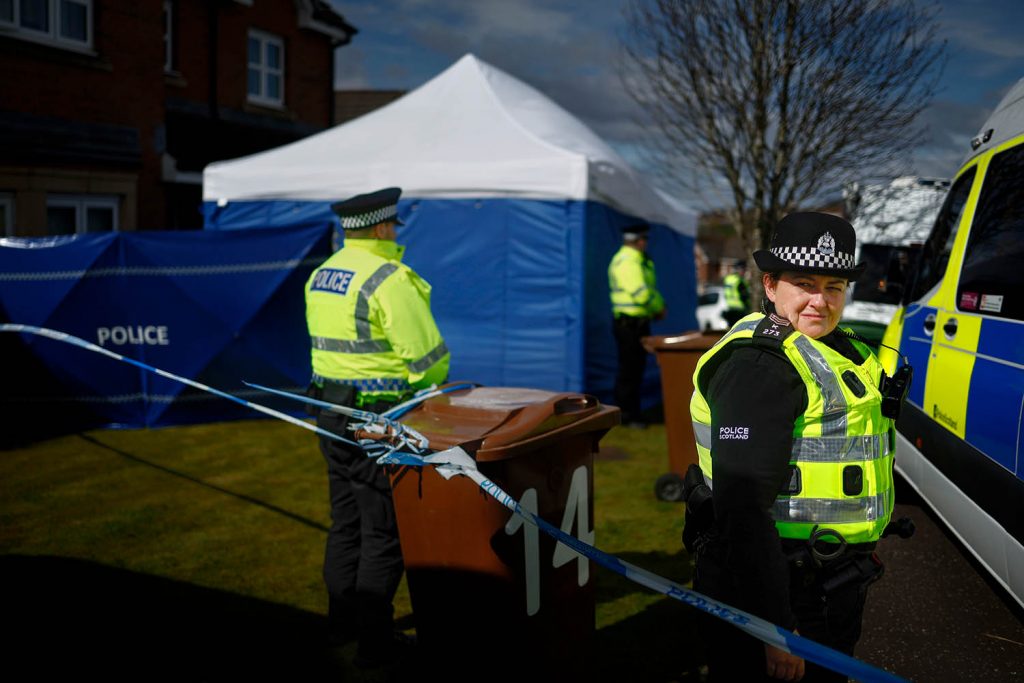
The optics might have been comical but for their implications about the governance of a big part of the UK: police erected forensic tents in Sturgeon’s garden, dug up her patio and seized items including a luxury campervan found at her mother-in-law’s house.
The politics are grim for the pro-independence solidarity: police appear to have acted on complaints brought among others by David Henry, a supporter of Sturgeon’s predecessor-turned-arch-rival Alex Salmond. Sean Clerkin, a hardline nationalist, also raised the alarm early on.
Command and control. Sturgeon and Murrell’s message control in their final months in charge was tight. The decline in membership numbers only emerged during the leadership contest following her resignation. Yousaf has admitted learning crucial information, such as the resignation of the auditors, only since taking the reins.
SNP RIP? For years, the SNP was Scotland’s dominant electoral force. Charismatic leaders, favourable demographics and broad dislike of both Boris Johnson and Brexit, gave the party an air of the untouchable and made independence seem all but inevitable.
With the membership split and the wider electorate lukewarm on Yousaf, he faced an uphill task from the outset keeping independence on the agenda. That task has been made much harder.
Scotland will be a key battleground in the next general election. With Sturgeon out of the way and Westminster finally returning to politics as normal, Labour and, to a lesser extent, the Conservatives are eyeing seats lost over the last decade.
The SNP has until now been the party overwhelmingly backed by independence supporters. Polls suggest that link is weakening. It will take more than a political scandal to kill off independence – but the same may not be true of the SNP.
Raab goes, and who’s next?
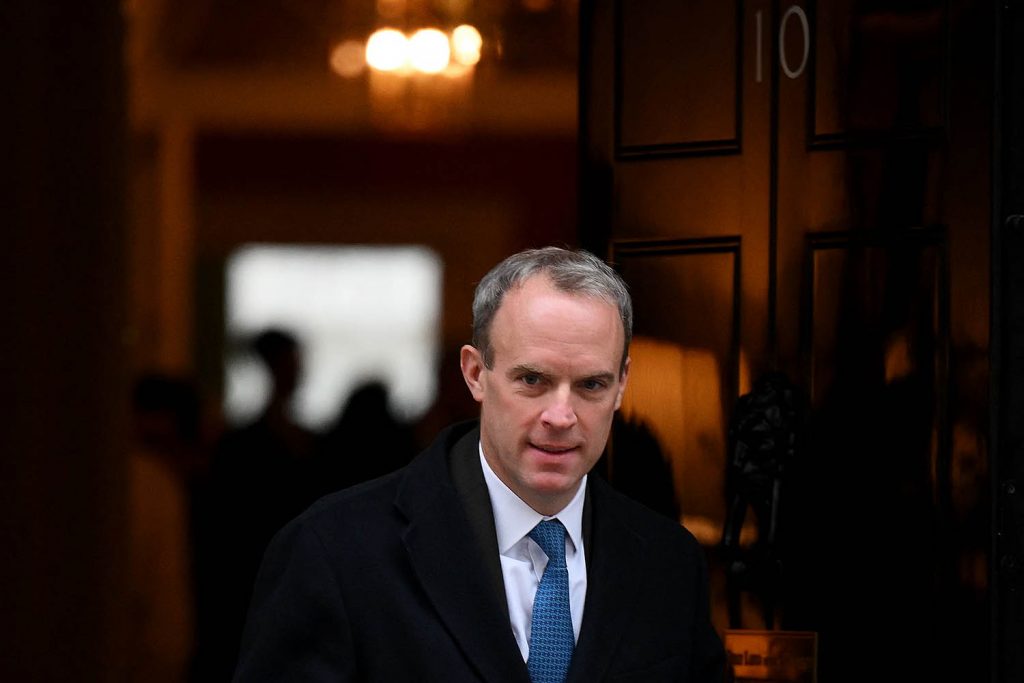
Dominic Raab, the UK’s deputy prime minister and one of Rishi Sunak’s closest allies, resigned this morning after being shown a report into allegations that he bullied members of the civil service. Raab said while he felt “duty bound to accept the outcomes of the inquiry” – as yet unpublished – all but two of the claims had been dismissed, and the findings of those that hadn’t were “flawed”. He also warned it set “a dangerous precedent”. In a way, his resignation makes life easier for Sunak, who dodged a difficult decision about a loyal colleague. But after the departures of Gavin Williamson over bullying claims first revealed by Tortoise, and Nadhim Zahawi over his tax affairs, the political heat will be turned up on Sunak’s judgement and his claim to be restoring “professionalism, integrity and accountability” to British politics. Sunak will know, too, that people have started reading a separate unpublished report on Richard Sharp’s elevation to the chairmanship of the BBC after helping to arrange an £800,000 credit line for Boris Johnson, and they say Sharp is next.
Best private equity deal ever?
The proceeds of Dominion Voting Systems’ big win in its defamation lawsuit against Fox News won’t go into a central Dominion bank account. They’ll be distributed to shareholders, which means a small private equity firm that bought a majority stake in Dominion for $38 million in 2018 now stands to pocket nearly $600 million of the $787 million settlement, before taxes and assuming it hasn’t made any more equity investments in the past four years (in which case the payout would be even higher). As things stand, that $600 million equates to a 1,500 per cent return on investment for Staple Street LLC, founded in 2010 by two Harvard Business School graduates. Fox argued before the trial was due to start that Staple Street had wildly overvalued its acquisition for the purposes of claiming damages. But it settled anyway.


