With claims about its carbon neutrality in doubt, will the UK stop funding the burning of wood chips for energy?
- Average ocean temperatures spiked over the last month to their hottest since satellite records began.
- A study of over 2,000 hospitals in China found that air pollution raises the risk of irregular heartbeat.
- “No Mow May” begins in the UK as campaigners urge gardeners to let grass grow.
Drax, the company that owns Britain’s largest renewable power station, has been told by its own scientific advisers to stop calling biomass “carbon neutral”.
At its annual meeting the company’s independent advisory board, chaired by former chief scientific adviser Sir John Beddington, recommended “moving away” from saying the process is net zero carbon. The context: growing concern about the environmental impact of burning imported wood pellets to produce electricity.
So what? Biomass is categorised as a renewable energy source by the government and produces around 13 per cent of the UK’s electricity (it’s the second largest source of clean energy for the UK after wind power). Almost half of that comes from Drax’s power station in Yorkshire.
Bioenergy plus carbon capture and storage (BECCS) – a way of producing energy and burying waste CO2 underground – is being trialled by Drax and could remove 53 million tonnes of CO2 per year by 2050 (roughly a tenth of the UK’s annual greenhouse gas emissions), according to the Climate Change Committee.
But if it turns out that burning biomass is not as green as previously thought, the UK emissions tally might have to be recounted. Net zero targets could be thrown into jeopardy.
Messy biomass. Claims of biomass’ carbon neutrality rest on the assumption that the amount of CO2 produced by burning the plant matter is equal to the CO2 the tree has absorbed in its lifetime. But that doesn’t take into account…
- Supply. Last year a BBC Panorama investigation alleged that Drax suppliers were cutting down “environmentally important” forests in Canada. Drax claimed it was only using wood waste and sawdust to produce pellets. Ofgem, the UK energy regulator, has since launched a probe into the company’s compliance with rules for at least 70 per cent of its wood supply to be classified as sustainable.
- Transport. A large proportion of emissions from bioenergy happen away from the power plant. Research by the NRDC found that logging trees, converting them into wood pellets and transporting them across the world produced the equivalent of 60 per cent of emissions from the smokestack.
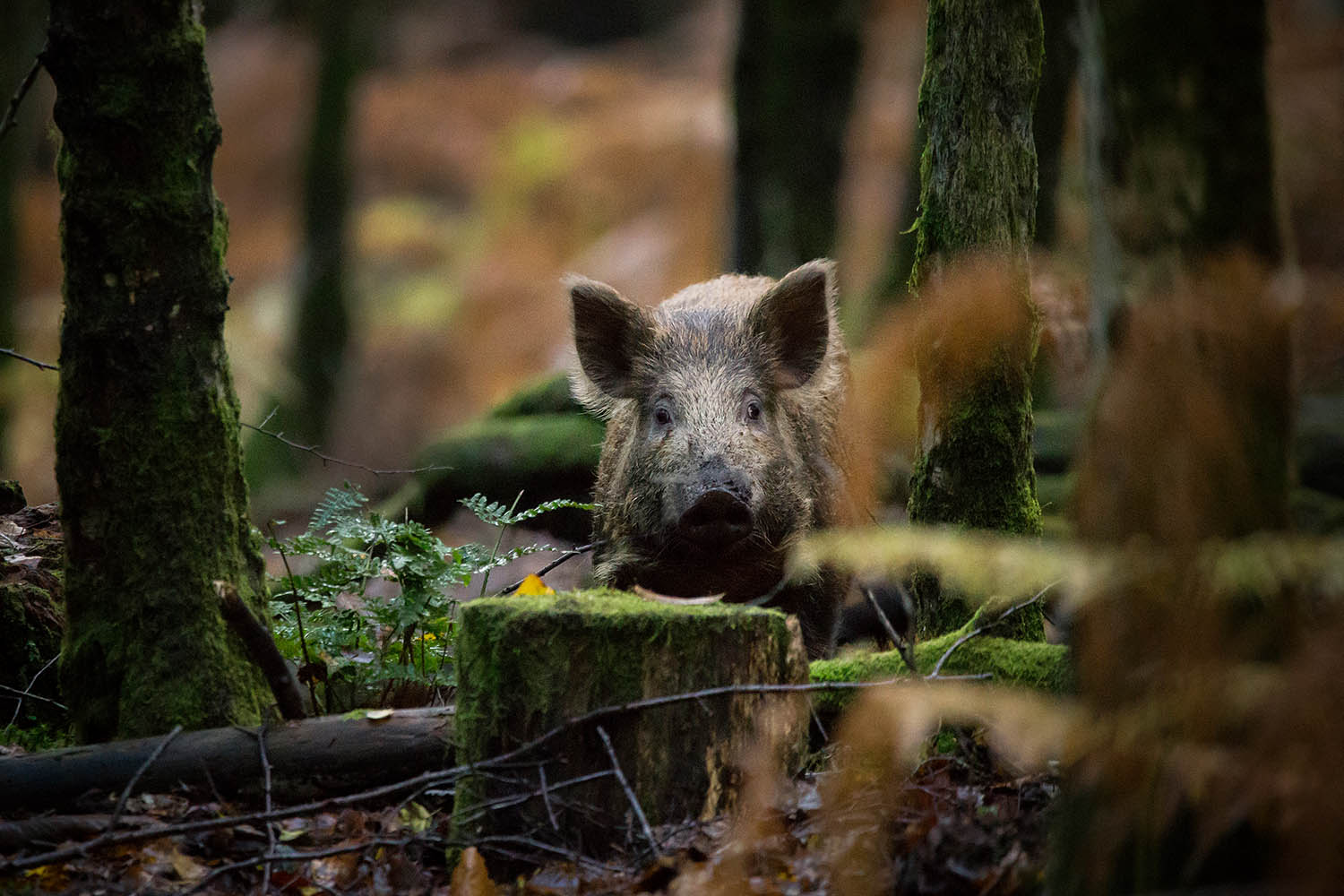
- Biodiversity. Demand for biomass risks turning biologically diverse old forests into monocultures. This can deplete soil health and its potential to lock in carbon. At the UN biodiversity summit 650 scientists urged world leaders to stop burning trees to make energy because it destroys valuable habitats for wildlife.
Chips are down. There are signs the embrace of biomass as an alternative energy source may be loosening. Last year, the EU voted to limit subsidies, but stopped short of setting any dates to reduce the burning of “primary wood”.
More concerning for Drax is whether UK subsidies for biomass will be extended beyond 2027 – the cut off date recommended by the CCC. Conservative MPs including Chris Skidmore, the former energy minister who led the net zero review, have questioned the benefits of providing more support. Subsidies paid to Drax cost the taxpayer £617 million last year. Parliament’s Business, Energy and Industrial Strategy committee said on Friday: “We do not believe the historic allocation of subsidies to large scale biomass, such as Drax, has represented either value for money or the best use of public funds.” Last week, the company posted record profits and announced £150 million in share buybacks.
“If the UK pursues BECCS, the best case scenario is that the government puts clear performance indicators around the entire supply chain, with the genuine follow-through that if they aren’t met the subsidy is reduced or even stopped,” said Dan Quiggin, a senior research fellow at Chatham House.
The UK is due to release an official strategy for biomass in the next two months, with a decision on funding for BECCS pending. If Drax’s £2 billion plant gets the green light, it will become a useful empirical base from which to decide how reliant the UK, and indeed the world, should be on this type of carbon removal going forward.
A Drax spokesperson said biomass had “a critical role to play in supporting energy security as the world decarbonises”. They added that the science behind the Drax approach was “evolving”, which may yet prove to be a euphemism for eroding.