Sensemaker Daily

- North Korea tried and failed to launch a spy satellite.
- Poland’s president prepared to sign a law to ban “Russian agents” from politics.
- Elizabeth Holmes, founder of Theranos, started an 11-year sentence for fraud.
Yesterday Putin said Russia would retaliate “in the harshest possible way” against Ukrainian drone attacks on Moscow that hit several apartment blocks, killed one person and injured eleven.
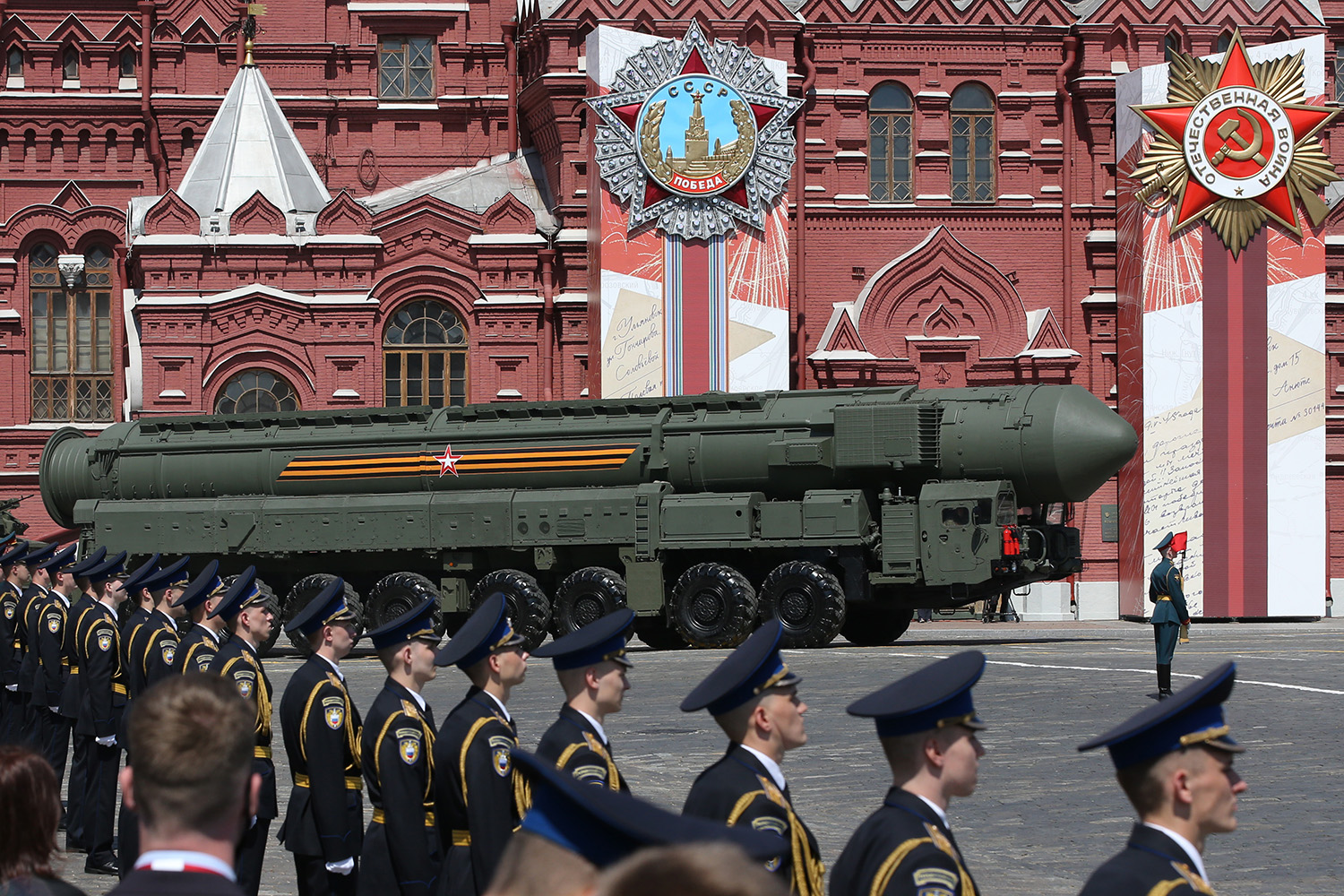
So what? He could go nuclear. That fear is the reason for the Biden administration’s extreme caution so far in arming Ukraine. It is plausible enough to take even more seriously now given
- nothing Moscow has tried from its conventional arsenal is working;
- “red lines” established by Putin as pretexts for escalation are already being crossed; and
- nuclear weapons use would be irrational, but Putin has already shown his capacity for irrational risk-taking by invading Ukraine in the first place.
The usual caveats apply. A nuclear detonation would kill thousands* and irradiate land Putin wants to occupy. The US says it has made clear there would be a swift and devastating military response. Ukraine’s air defences have shown they can bring down most incoming missiles including hypersonic ones, and bluffing with nuclear weapons will always be cheaper and safer than using them.
But while the caveats haven’t changed since last year, Russia’s situation has. Putin has more rationales than ever to escalate and keeps hinting he will do so.
Rationales, itemised this month by a former US military attaché to Moscow, include
- saving Russian soldiers’ lives by shortening the war;
- destroying Ukrainian forces where conventional weapons have failed; and
- halting Ukrainian attacks on “critical governmental or military sites of the Russian Federation” such as those today on a Krasnodar oil refinery and earlier on a military base near Belgorod – grounds for escalation under current Russian nuclear doctrine.
Signs that escalation is on Putin’s mind include his withdrawal from the New Start nuclear arms reduction treaty in February, his deployment of nuclear-capable Iskander cruise missiles to Belarus in March and a subsequent announcement that nuclear warheads will follow.
Not forgetting…
- Russia’s use last autumn of Kh-55 nuclear cruise missiles with dummy warheads, which Kevin Ryan, the former attaché in Moscow, believes was most likely “to test their readiness and reliability for use in a real nuclear strike”; or
- Putin’s appointment of the three Russian military commanders with direct control of tactical nuclear weapons – Generals Valery Gerasimov, Oleg Salyukov and Sergei Surovikin – as his three most senior generals in the war.
Psychology. The very high death toll from a nuclear strike may not deter Putin from ordering one. “Psychic numbing,” by which the deaths of many can have a lower emotional impact on observers than the death of a single person, is an established phenomenon and not just an explanation for Stalin’s capacity for mass murder. In a 2017 experiment described this week in Foreign Affairs, Americans readily accepted the idea of a preventive nuclear strike when told it would save the lives of 20,000 of their own soldiers.
The trigger? A successful Ukrainian spring offensive could tip the conventional-nuclear balance in Putin’s mind, Ryan argues, especially if it traps large numbers of Russian forces in Crimea by cutting the land bridge between Mariupol and the Dnipro river.
It is of course essential for Ukraine that the offensive is successful, and that this does not dissuade Ukraine’s allies from continuing to arm Kyiv for fear of escalation. But that doesn’t mean escalation cannot happen.