
- Xi Jinping warned Putin face-to-face against using nuclear weapons in Ukraine.
- The Taliban ordered women’s beauty salons in Afghanistan to close.
- The FCA defended its supervision of Crispin Odey’s hedge fund as “intensive” (more below).
Hong Kong’s leader yesterday told eight democracy activists who fled abroad they would be “pursued for life”, with large rewards offered for information leading to their arrest.
So what? It’s three years since the introduction of Hong Kong’s national security law, imposed by Beijing after mass pro-democracy protests that brought the former colony to a standstill in a direct challenge to Xi Jinping. Since then authorities have
- dismantled more than 60 civil society groups, including churches and human rights groups;
- closed independent media outlets;
- introduced patriotic curriculums in schools; and
- arrested 260 people under the national security law, which carries a maximum penalty of life imprisonment.
Almost all opposition in the city has been shut down. High-profile campaigners including Joshua Wong and Jimmy Lai are in jail. Now Hong Kong is using the law to target activists overseas.
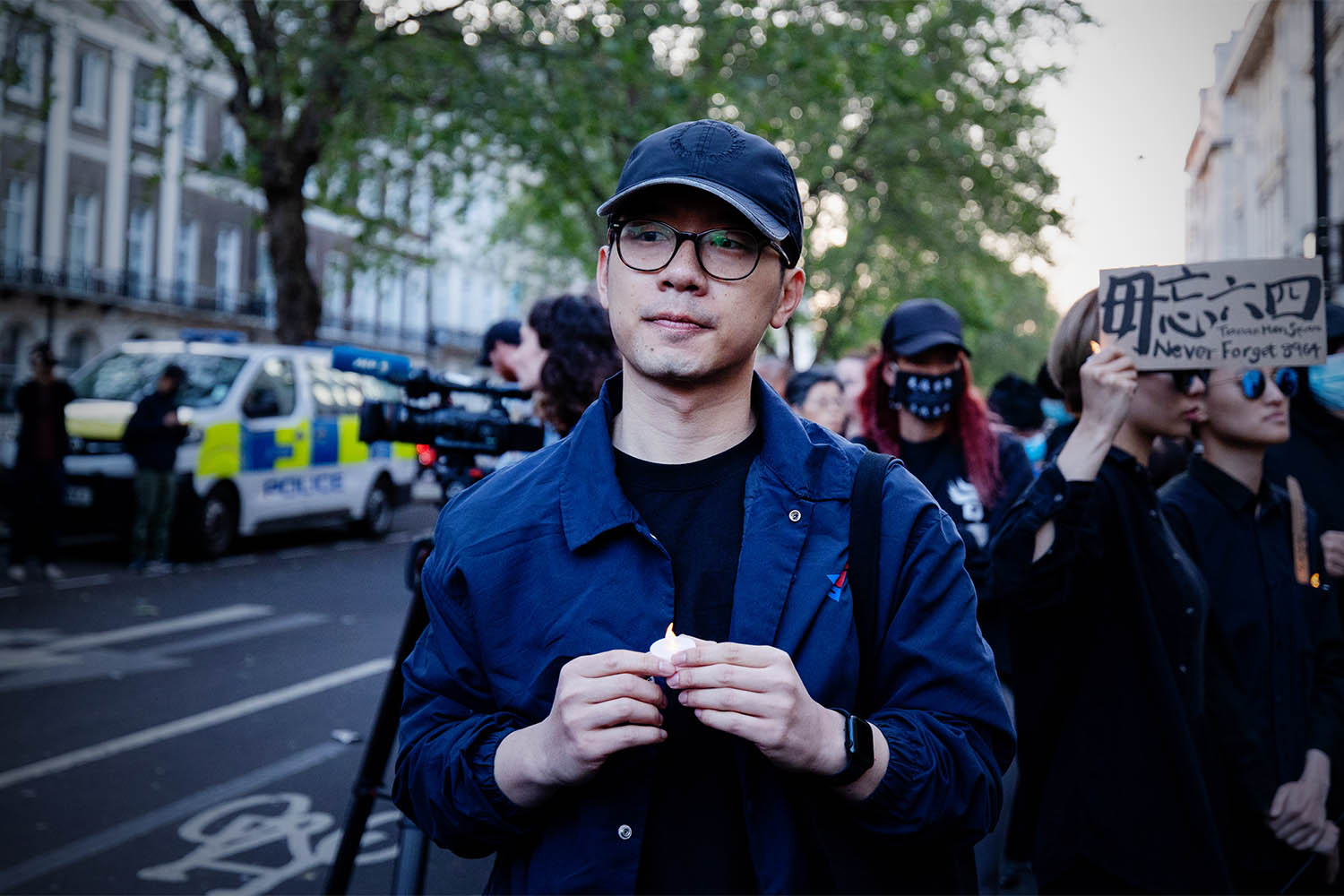
Bounty hunters. The eight charged under the law for offences including foreign collusion and inciting secession are now thought to be living in Britain, America and Australia. They include Nathan Law, Hong Kong’s youngest-ever lawmaker, who has been granted asylum in the UK, and Kevin Yam, a lawyer and Australian citizen.
Hong Kong police have put on each of their heads a bounty of HK$1 million (US$128,000) – higher than the reward for a rapist of an underage girl (HK$100,000) and for wanted murderers (up to HK$400,000).
The UK, US and Australia have suspended extradition agreements with China and Hong Kong; all three countries condemned the bounties and the “extraterritorial reach” of the national security law.
Stronger and louder. Anna Kwok, one of the targeted activists who now heads the Hong Kong Democracy Council in Washington, said she will fight “even harder” and called on Joe Biden to bar entry to Hong Kong leader John Lee for the summit of Asia-Pacific Economic Cooperation (Apec) to be held in San Francisco in November.
But the bounties – seen by some analysts as an extension of Beijing’s use of overseas police stations to intimidate opponents – could lead to
- greater surveillance and intimidation of the eight figures;
- vigilante action by government supporters emboldened to stalk and harass them and their families;
- pressure on financial institutions to choose between protecting their clients and complying with Hong Kong’s request to terminate services; and
- pressure on the activists to be careful where they travel.
All eight will be aware of Gui Minhai, a dissident Hong Kong bookseller jailed for ten years in 2020 after going missing during a holiday in Thailand.
“I ask Hongkongers not to co-operate with any related pursuit or bounty actions,” Nathan Law wrote on Twitter. “We should not limit ourselves, self-censor, be intimidated, or live in fear.”
Happy Hong Kong. Hong Kong is trying to woo business and talent back to the territory after three years of Covid restrictions and the exodus of more than 140,000 workers since the national security law was introduced. The government launched a “Hello Hong Kong” campaign in March to revive tourism and “Happy Hong Kong” in late May with food fairs and shopping festivals. But the city is still a long way from its former place as Asia’s central business hub.
“Hong Kong’s economic success has been in large part due to its well-established rule of law, independence of the judiciary, transparency and freedom,” says Benedict Rogers, chief executive of UK-based advocacy group Hong Kong Watch. The dismantling of those values “sets a dangerous precedent, and should cause businesses to ask themselves the question ‘who next?’”
The answer seems to be: any dissenting voice, anywhere in the world.


