Sensemaker Daily

- China’s foreign minister was fired amid rumours of an affair with a TV anchor.
- British volunteers fighting for Ukraine claimed to have set up a beachhead on the east bank of the Dnipro River.
- Sea water reached “hot tub temperatures” at the southern tip of Florida.
Last week the UK’s Conservatives clung onto Boris Johnson’s old parliamentary seat by 495 votes.
So what? It could easily have been remembered as a bump in the road for Labour’s Keir Starmer. Instead, the Uxbridge by-election is shaping up as a pivotal moment in the next year of British politics. It points to lessons about
- the narrative, which Labour has allowed to be about why it didn’t win in Uxbridge rather than why it did win elsewhere (by huge margins);
- net zero, which turns out to be toxic if misrepresented but popular if not; and
- the next election, in which the Tories may try a national version of the Uxbridge playbook, and which could come sooner rather than later.
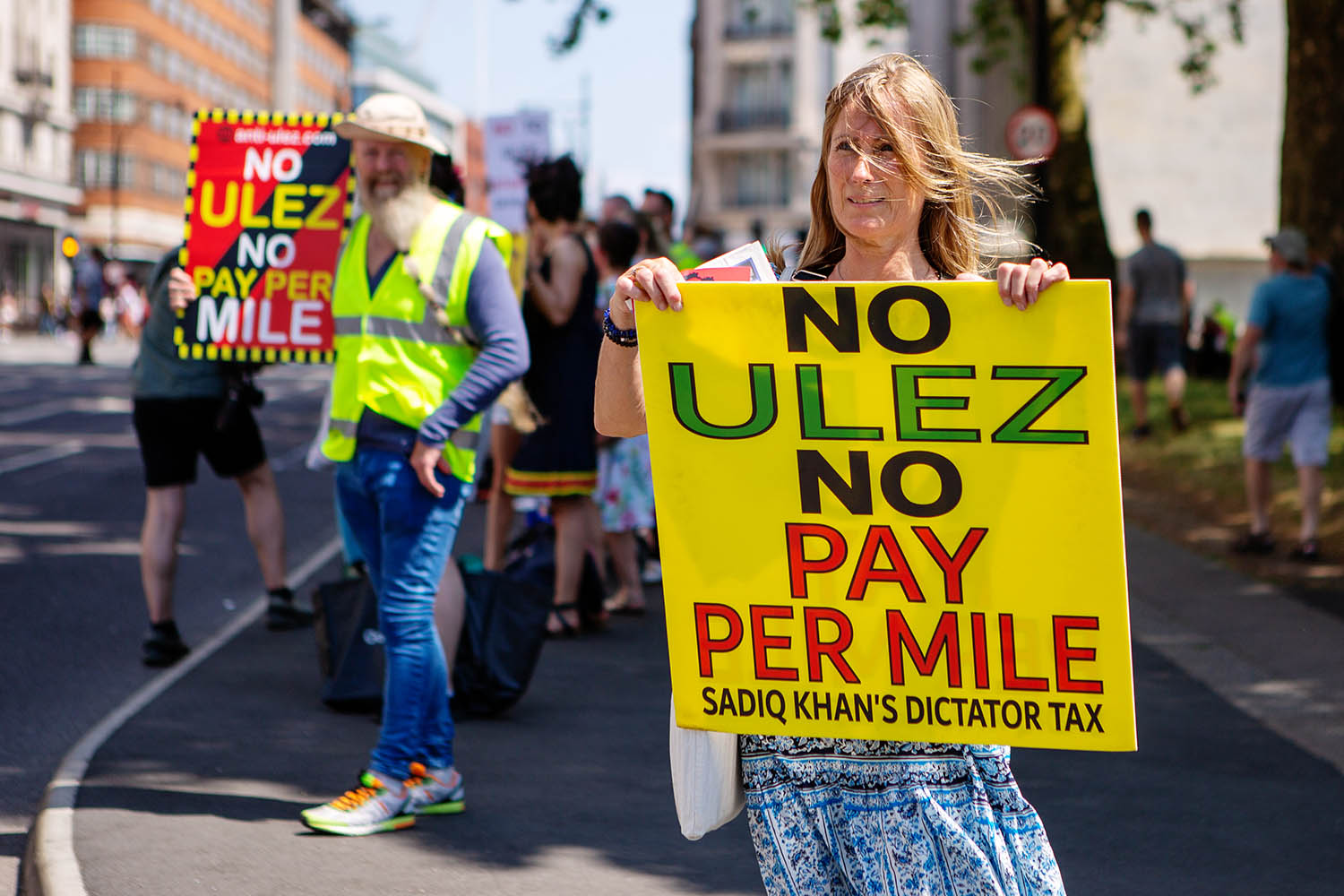
Ulez, London’s Ultra Low Emission Zone, is being extended to the city’s outer circle, reaching places like Uxbridge where large numbers of people rely on their cars to get around. It was weaponised by the Tories during the campaign and many want to roll out the strategy on a national scale at the next general election.
The idea. Conservatives are now sufficiently emboldened to be toying with delaying or scrapping green agenda policies such as the 2030 ban on new diesel and petrol cars.
Other options reportedly on the table include:
- Blocking councils from creating new low-traffic neighbourhoods.
- Giving smaller car manufacturers longer to transition to electric-only vehicles.
- Extending the deadline for landlords to upgrade their properties’ energy efficiency ratings.
The reality. Voters don’t want to be out of pocket but they strongly back net zero. Recent polling for the Energy and Climate Intelligence Unit showed 69 per cent support or strongly support the target of net zero by 2050. That number is almost as high for Conservative and “red wall” voters at 66 and 67 per cent respectively. And more than twice as many voters say the government isn’t doing and spending enough on climate change as say it’s doing and spending too much.
Hence cautionary words since Uxbridge from green Tory grandees like John Gummer and Zac Goldsmith on the “suicidal” risk for both parties of playing political football with climate policy.
That hasn’t stopped Labour tying itself in knots. Party sources say it’s time to “ditch the green crap” and have been calling on London’s mayor, Sadiq Khan, to “reflect” on his flagship Ulez policy. Khan appears to be digging in his heels.
Hot air, toxic politics If Khan caves, an effective policy will be sacrificed at the altar of short-term politics. If he stands his ground, Starmer will look weak and his rivals will pounce.
The new Brexit? Calls for a referendum on net zero are currently restricted to the Conservatives’ fringe and denialist commentators. But that is how Brexit began. The Tories’ pro-net zero caucus is bigger if less vocal, but it’s not impossible that a desperate party could include such a measure as a manifesto pledge.
In the meantime it will use net zero as a bat to hit Labour over the head with. Since last week, Conservative MPs with a spring in their step have told Tortoise their election campaign will focus generally on the economy (“do you trust Labour to fix it?” and “Labour’s green policies will cost you more”).
That said… Many still accept they will be out of power come the next election.
As of last weekend, the Conservatives were 17 points behind Labour in the polls. The received wisdom is that stalling for time before the next election gives breathing space for the economy to improve, but some fear delaying till next autumn will increase the number of voters coming off fixed-term mortgages and being hit with higher interest rates.
May day, May day. So instead of a late October general election, some say Sunak could call one in May – when fewer people are paying more, economic data is improving, the weather is sunnier and the NHS isn’t on its knees.
Transatlantic note: Team Biden has shown both main UK parties there is a surefire way to turn net zero to economic advantage – namely to ditch the label and invest hundreds of billions in clean energy subsidies in the guise of cutting inflation. But with both Labour and the Tories shying away from spending commitments in a bid to bring public debt under control, there seems little hope of replication in the UK. Instead Brits can expect cheaper, nastier politics until whenever the election is called.


