
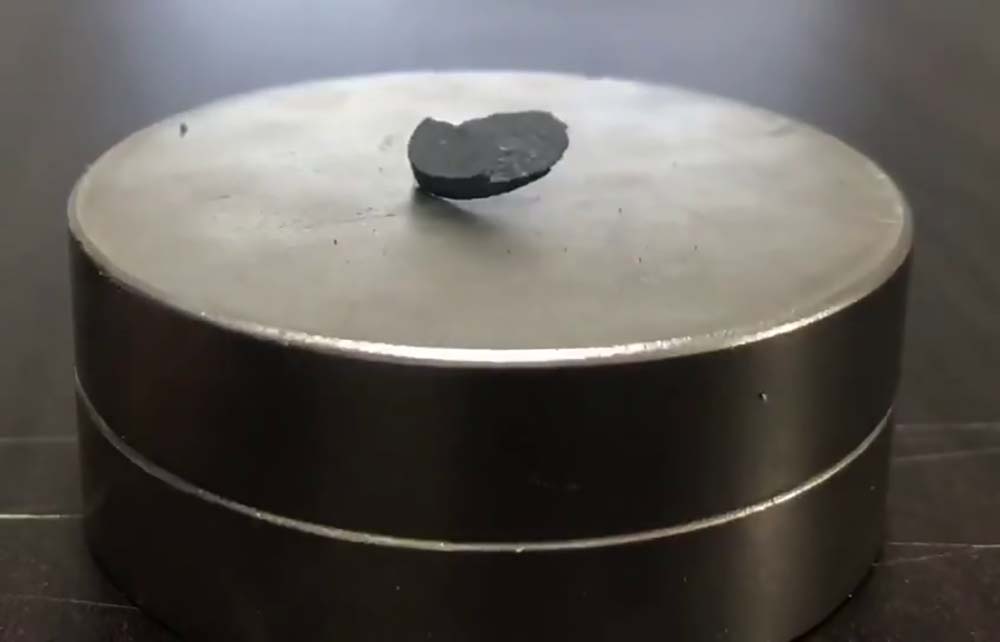
They could solve renewable energy’s storage problems
Imagine being able to recharge an EV contactlessly from the road as you drive along it, or heat a house with renewable electricity stored in its concrete foundations. There’s been a lot of extravagant imagining this week because of a South Korean team’s claim to have produced a superconductor called LK-99 that can operate at normal pressures and room temperature. But this plausible story has nothing to do with that implausible one. The former concerns an MIT paper on ancient and abundant materials like cement and carbon black that turn out to be capable of use as supercapacitors, temporarily storing large amounts of energy and quickly discharging it on demand. (The latter would be truly revolutionary, potentially making possible fusion reactors, desktop quantum computing and zero-waste power grids. But no one has been able to replicate the South Korean results.) The MIT team said it mixed cement and nanocarbon black (like coal dust) with water and soaked it in a standard electrolyte to produce a cheap supercapacitor that could sit under a house as a block of concrete and power it for a day – or a night – between charges.