Sensemaker Daily

- Thailand’s ex-prime minister was arrested hours after returning from exile.
- FTSE 100 bosses got an average pay rise of £530,000 last year.
- Ecuadorians voted to halt oil drilling in a protected area of the Amazon.
William Gladstone’s great, great grandson heads to Guyana this week to apologise for his family’s role in the slave trade and pay reparations.
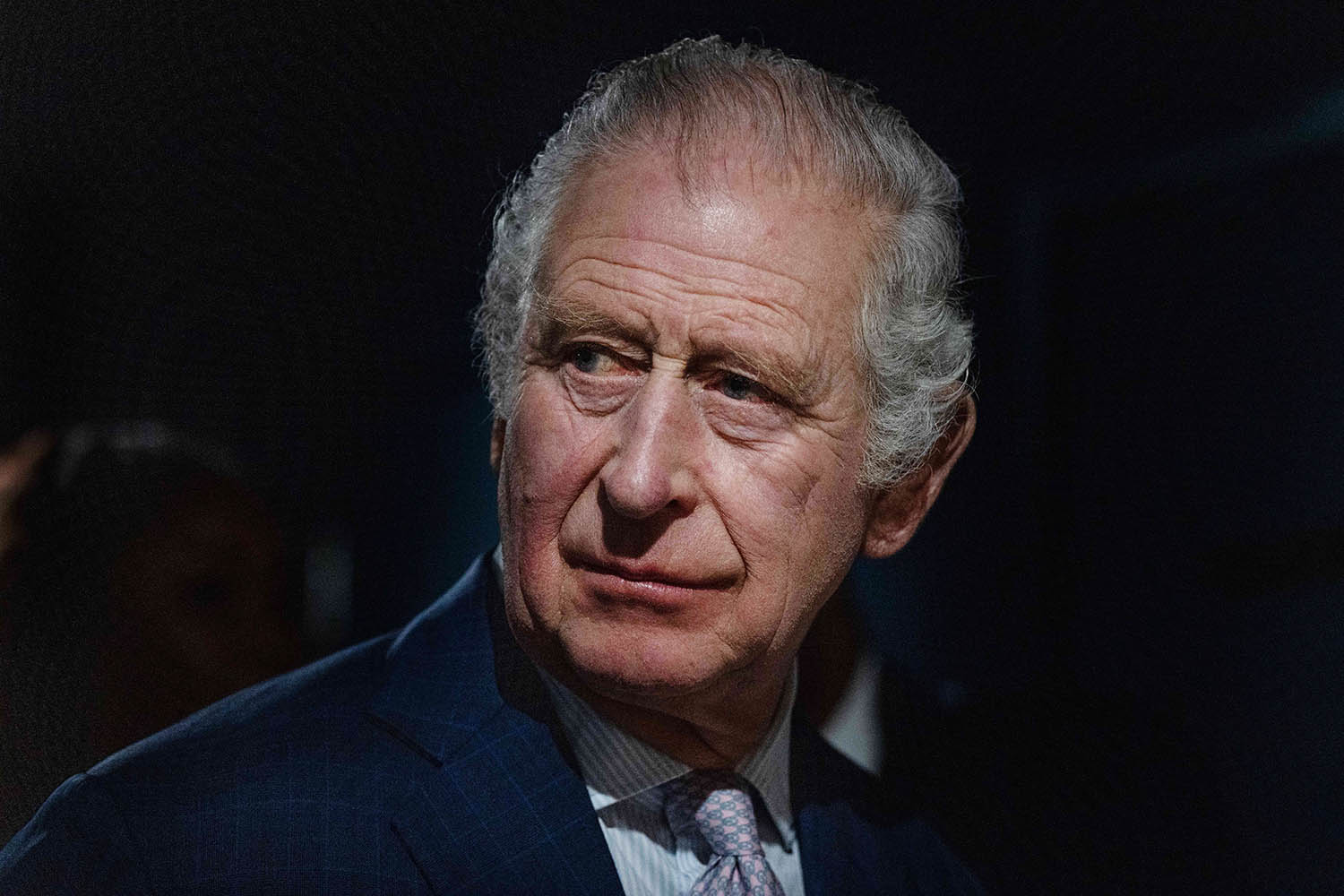
So what? Charlie Gladstone has name recognition and is making it count in the debate on slavery’s legacy. King Charles does too, but he is not.
Rebellion. The Gladstone visit to Guyana takes place 200 years after more than 10,000 enslaved people rose up there against their English owners thinking wrongly that a law had been passed in London to abolish slavery. Instead, the Demerara Rebellion was crushed with extreme violence. Hundreds of slaves were killed and dozens more executed later, their bodies put on public display to terrify survivors.
- More British ancestors of slave owners have approached Heirs of Slavery, a group of families that profited from enslavement, for advice on how to become involved in campaigns for “reparative justice”.
- The group’s founder, Alex Renton, said about 100 families were involved so far and “it feels like there’s something’s building, particularly at the institutional level, even though governmentally we’re well behind the game compared with other nations”.
- One institution – the royal family – has been left looking conspicuously slow to match its words with actions.
Clue in the name. The royal family’s links to the slave trade are beyond dispute and centuries old. Royal patronage of the transatlantic trade was formalised in a charter granted by Charles II to the Royal Adventurers (later the Royal African Company) to sell enslaved Africans in the Americas. James II’s pre-coronation title of Duke of York was physically branded on slaves in the form of the initials DY and George III made it clear to his ministers that he opposed abolition of the slave trade even as they and the public campaigned for it.
Money in the bank. Elizabeth I profited from Sir John Hawkins’s 16th-century slave trading in the Spanish West Indies. Most of her heirs have benefited as shareholders in businesses built on slavery, and the Guardian reported this year that Charles III is the direct descendent of a Virginia tobacco planter who received at least 200 enslaved people from the Royal African Company in 1686. It also published a previously unseen document recording the transfer of £1,000 in Royal African Company shares from Edward Colston, the Bristol slave trader, to William III.
Change in the wind. As Prince of Wales, the current king called slavery an “appalling atrocity [which] forever stains our history”. His son William has expressed “profound sorrow” for slavery. Their critics note that expressing sorrow isn’t the same as saying sorry, but since becoming king, Charles III has backed a research project into his family’s links to slavery. Alex Renton expects this to lead to a personal apology and says given the precedent set by the Gladstone family and others it’s “impossible” to imagine financial compensation would not be offered too.
Fringe to mainstream. Less than a generation ago, talk of reparations for slavery was restricted mainly to academia and fringe campaigns. Since then
2006 – Tony Blair issued a formal apology for Britain’s role in the slave trade;
2007 – David Lascelles, a distant cousin of Charles III’s, apologised to Barbados for his family’s role in the trade;
2014 – Ta Nehisi-Coates’s The Case for Reparations, published in the Atlantic, galvanised mainstream debate about compensation in the US; and
2020 – Edward Colston’s statue was heaved into Bristol Harbour.
The historian Dr Brooke Newman has said of the 18th-century royal family that it “believed the slave trade was crucial to maintaining Britain’s wealth and power and its imperial interests”. The reckoning has barely begun.
Number note: when the British government abolished the slave trade in 1807 it borrowed £20 million (£19 billion in today’s money) to compensate slave owners. The debt was not paid off until 2015.
You too? Enter your name in UCL’s searchable database of names of those compensated for the loss of slaves.
Photograph Jack Hill/WPA Pool/Getty Images


