Sensemaker Daily

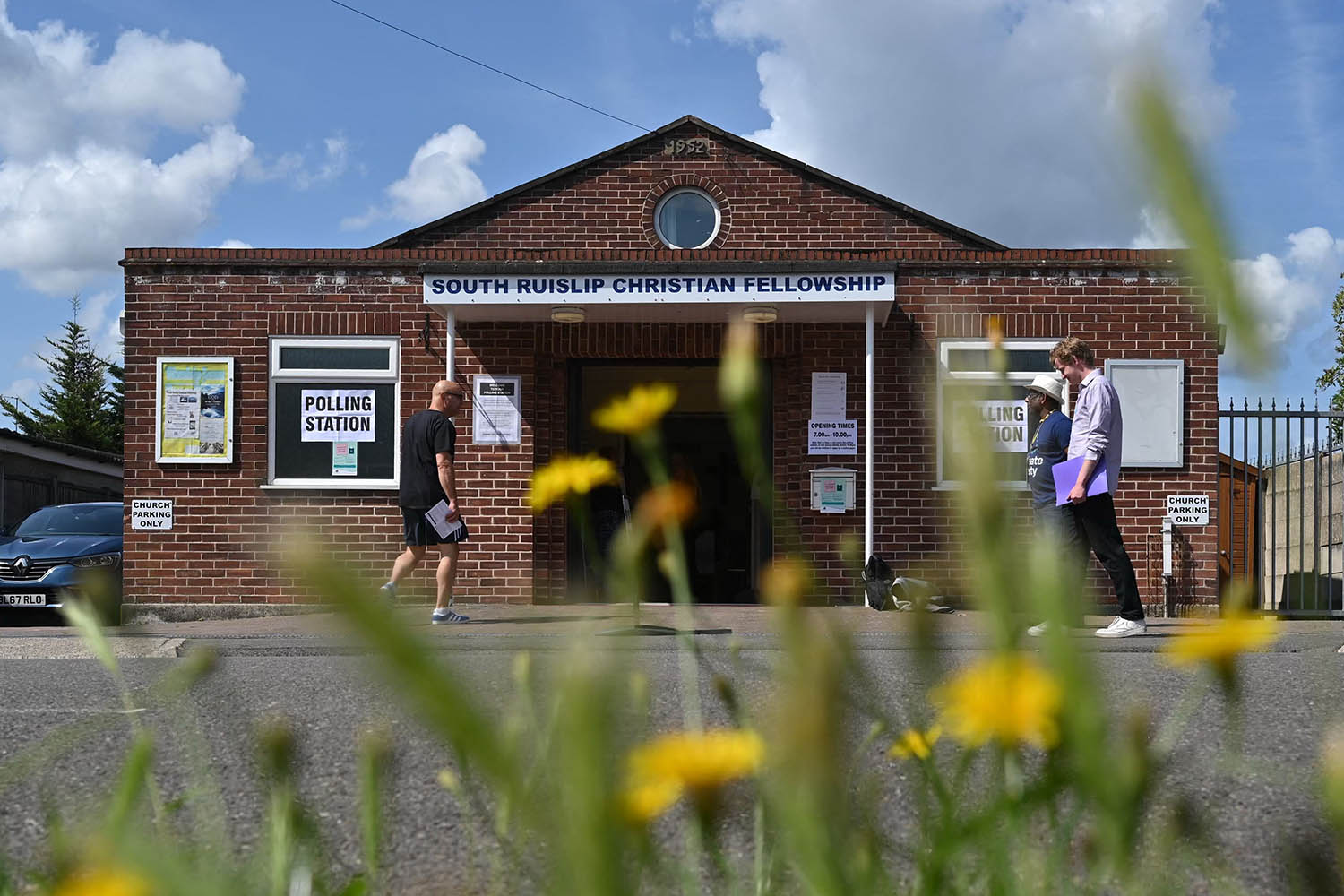
A new report from the UK election watchdog found that a new requirement for voter ID meant more than 14,000 people were turned away from polling stations in this year’s local elections.
The rules were introduced in 2022 in response to claims the system was vulnerable to voter fraud – but instances of fraud were incredibly small before the rule change and have remained so, with just 14 reported instances of voter impersonation in the past two years.
The Electoral Commission warned the new rules had a disproportionate impact on disabled people, the unemployed, younger people and those from ethnic minority communities, who were less likely to have approved forms of ID.
Voter ID requirements specifically target in-person voting impersonation. In 2022 local elections there were 13 cases of alleged voter fraud recorded by police forces, seven of them involving impersonation, but none of these cases were taken further due to lack of evidence. Although data collection for 2023 is still ongoing, so far there have been seven allegations of voting impersonation, of which three are still under investigation.
When first introducing the policy in the Elections Act Bill of 2022, the then-levelling up minister Kemi Badenoch said the UK’s election security system had seen no significant changes since 1872 and that a voter ID requirement had already been in place in Northern Ireland since 2003.
Who is impacted? Disabled people, unemployed, younger people and those from ethnic minority communities were found to be more likely to face problems accessing the correct voter ID, which include passports, driving licences and 60+ travel cards. The report recommended extending the list of approved ID ahead of a general election expected to take place next year.
Other communities have raised concerns; the organisation TransActual argues that transgender voters are heavily impacted due to significant bureaucratic obstacles to obtaining official ID and photo IDs not matching appearance due to changes during transition.
Do we feel safer? The report also found that using ID to vote did not increase voter confidence in the security of elections. The majority of voters already had faith in the security of the voting process, and this has remained the same with the new laws. But 14 per cent of people surveyed said they were not confident that the elections were well run, an increase from 10 per cent in 2019 – and being unable to vote due to not having voter ID was the most common reason.
By the numbers
43 per cent – people who didn’t have the right ID were not aware that they needed it to vote;
0.25 per cent – people who tried to vote were not able to;
300,000 – the estimated number of people before the local elections without the necessary ID to vote;
89,500 – actually applied for a Voting Authority Certificate as an alternative ID; and
25,000 – were used as ID on the day of the elections.
Many European countries have voter ID laws – but also have state IDs that are issued automatically, making it less of an obstacle to participation.
In the US, six state bills have been passed since 2020 that either introduce or add further restrictions to voter ID requirements, while the Supreme Court struck down one voter ID law in North Carolina after deeming it had “racist intent”.
The Biden administration has spoken out against laws that make it harder to vote. Joe Biden signed an executive order directing an all-of-government effort to promote access to voting.
What next? General elections have much higher turnouts and those who don’t vote in local elections are less likely to both have the correct ID and be aware that they need it to vote.
The Electoral Commission report warns that without an expansion of the accepted kinds of ID coupled with targeted awareness campaigns, there could be a high level of voters turned away at the polls next year.
Levelling up minister Rachel Maclean has said ministers will review the scheme but maintains that previous elections contained a “staggering vulnerability”.
Photograph Getty Images