Our Planet Climate and Geopolitics
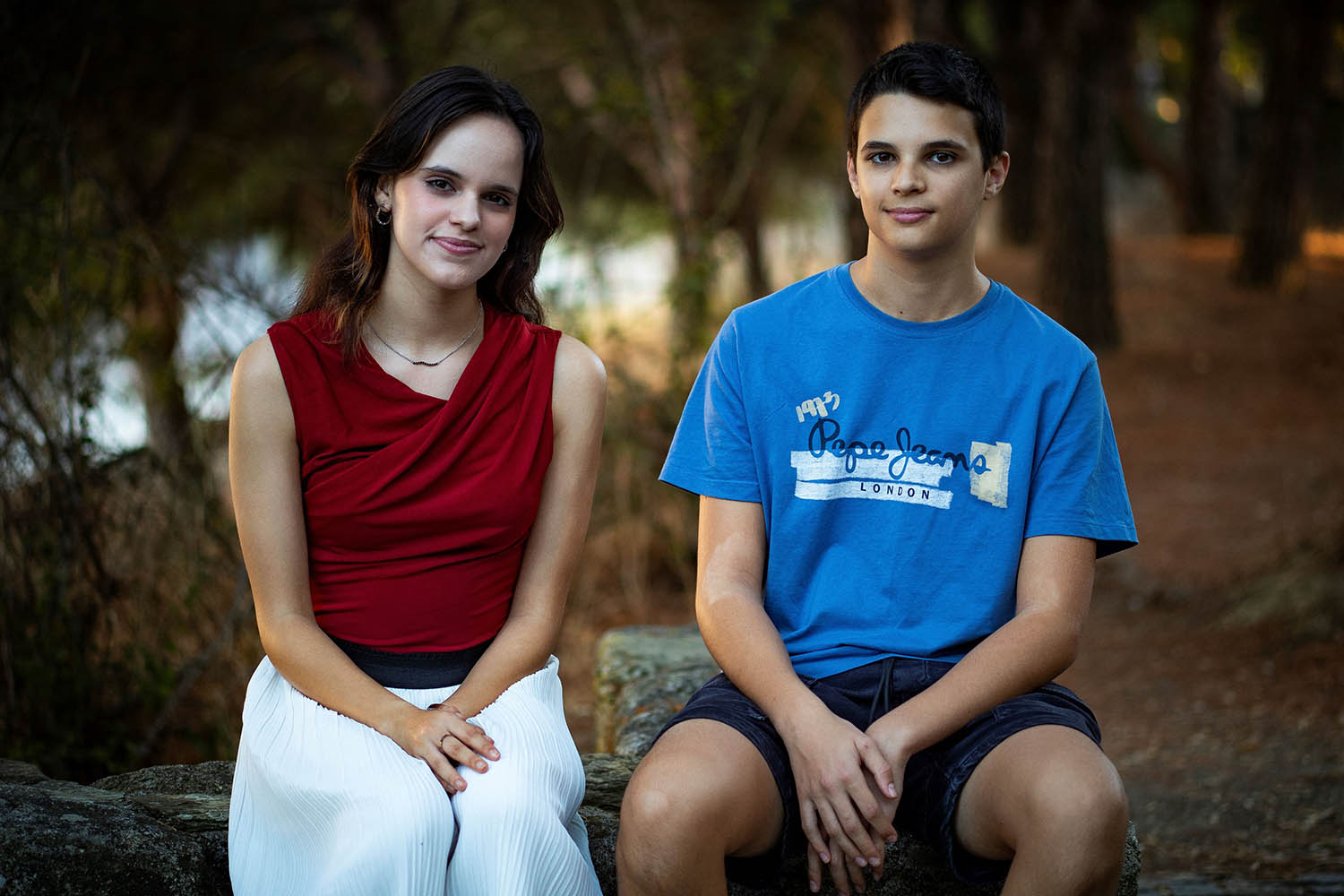
In 2017, wildfires swept through central Portugal killing more than 100 people. Six young people looked at the damage and decided to do something about it. Yesterday, the activists, aged 11 to 24, appeared at the European Court of Human Rights in Strasbourg where they accused 32 countries of violating their human rights by not doing enough to stop global warming. It is the largest climate change related case filed with the court and the first time so many governments have had to defend themselves – there are more than 80 lawyers representing the 27 EU member states as well as Britain, Switzerland, Norway, Russia and Turkey. A ruling is expected next year. Read more.
The court has the power to force governments to do more to reduce emissions; its rulings are legally binding on member countries and if countries don’t comply they can face large fines decided by the court.
“Today’s case is about the young. It is about the price that they are paying for the failure of states to tackle the climate emergency,” said Alison Macdonald on behalf of the young people, according to the AP.
The young people argue that states’ failure to act fast enough on climate change threatens their rights to life, to privacy and family life and to be free from discrimination.
Legal teams from the accused countries questioned the admissibility of the case, while a representative for Portugal said the young people had “not proved they have suffered harm”.
The courts are increasingly seen as a way to force scrutiny of government pledges on the environment. The London School of Economics says that globally the number of climate-change related cases has reached more than 2,000, with two-thirds of cases filed since 2015, the year of the Paris summit when countries agreed to limit global warming to 1.5C above pre-industrial levels.
Last month, a judge in Montana sided with young environmentalists in a climate change case. In 2019, the Dutch Supreme Court ordered the government to further reduce emissions targets in a case brought by the Urgenda Foundation.