Technology AI, Science and New Things

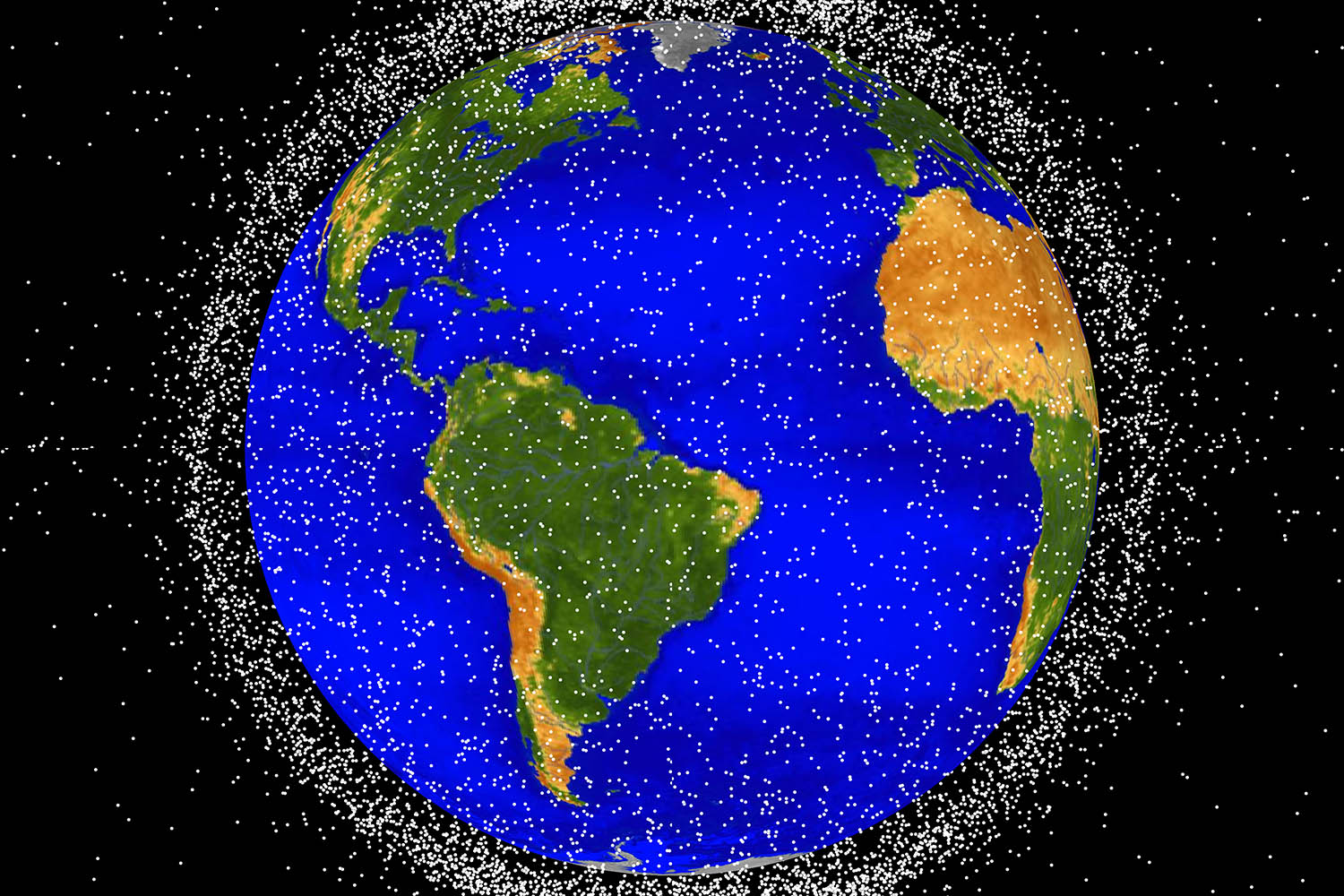
In the first known case of Earth-based law enforcement in outer space, the US Federal Communications Commission has fined an American satellite TV company $150,000 for failing to reposition an ageing satellite safely as agreed. The DISH corporation had promised to shift its Echostar-7 satellite to a retirement orbit 300 km further away from Earth than its service orbit. Instead, for want of rocket fuel, it was moved only 122 km further away. The FCC is keen to make an example of DISH, saying the fine shows it has “strong enforcement authority” to enforce “vitally important space debris rules”. Limiting the risk of space junk and satellite collisions is certainly urgent.
Donald Kessler, a Nasa scientist, proposed in 1978 that without strict rules orbital debris would grow in density to a point where cascading collisions could destroy everything in orbit round the Earth. In 2009 he updated the theory, now known as the Kessler Syndrome, to note that any attempt to make space safe by clearing up orbital junk would likely fail because it would require deploying more new satellites than naturally fall back to Earth. DISH may feel picked on. Its satellite is in sparsely-populated geostationary orbit more than 36,000 kilometres away. Elon Musk’s 5,000 Starlink satellites are 60 times closer, and he has plans to launch up to 37,000 more of them.