Our Planet Climate and Geopolitics

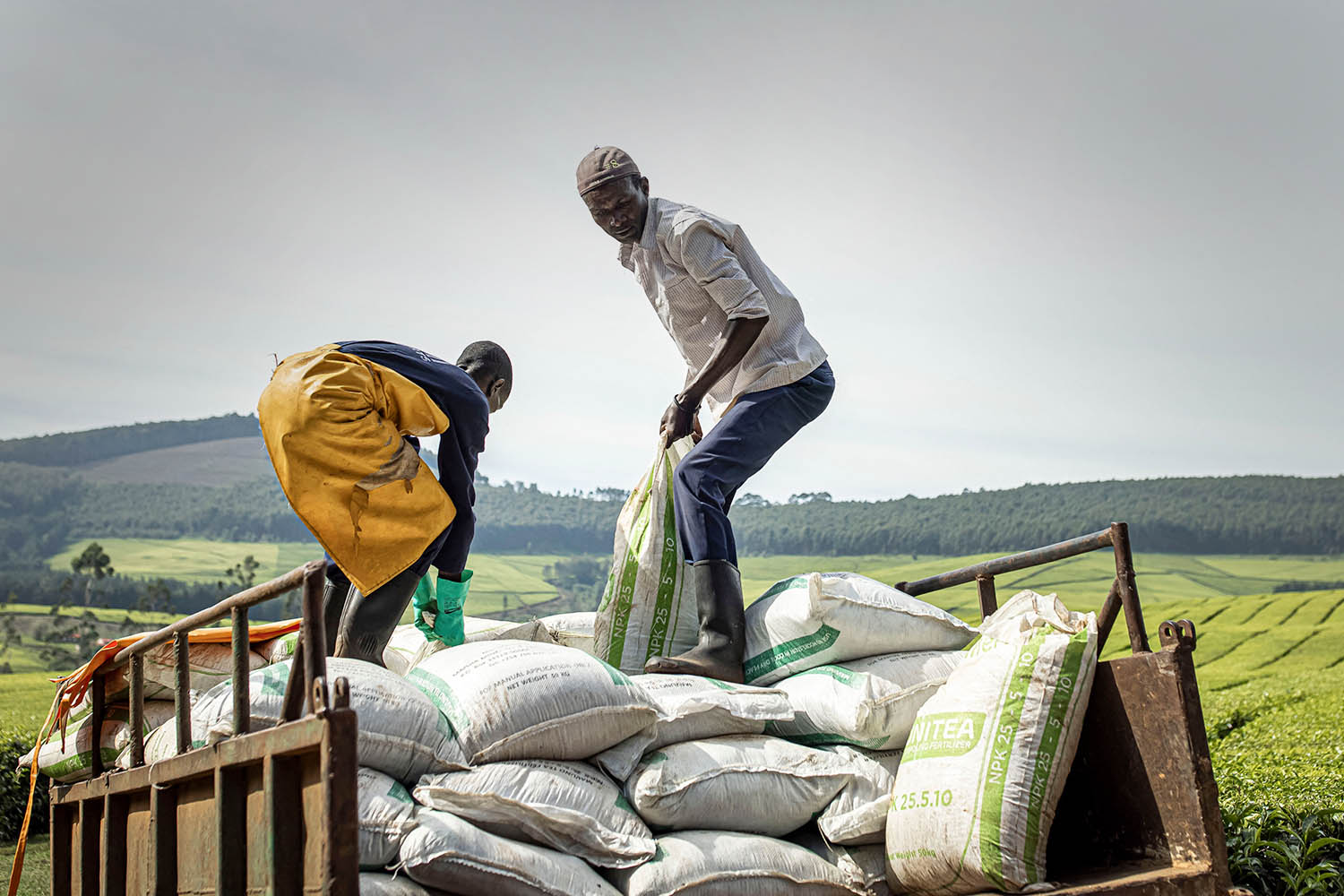
Scientists in Germany claim to have pioneered a new ammonia production process that they say could be used with green power to produce sustainable fertiliser, at a time when traditionally produced fertiliser is not just unsustainable but rocketing in price. A team at the Helmholtz Institute for Renewable Energy near Nuremberg used off-the-shelf lasers to break the strong nitrogen-nitrogen triple bond in naturally occurring nitrogen in ambient conditions. Breaking the triple bond is an essential first step in fertiliser production, normally achieved at high temperature and pressure with the energy-intensive Haber-Bosch process. There is scepticism about the potential for scaling up the Helmholtz team’s method, which would require large amounts of green electricity to power the lasers. But there’s no doubting the need for alternatives to the status quo in global fertiliser distribution. World prices have risen five-fold for some farmers in the developing world since 2020, driven up by high demand to bolster crop yields hit by climate change, and low supply since the war in Ukraine triggered sanctions on Russian fertiliser exports.