
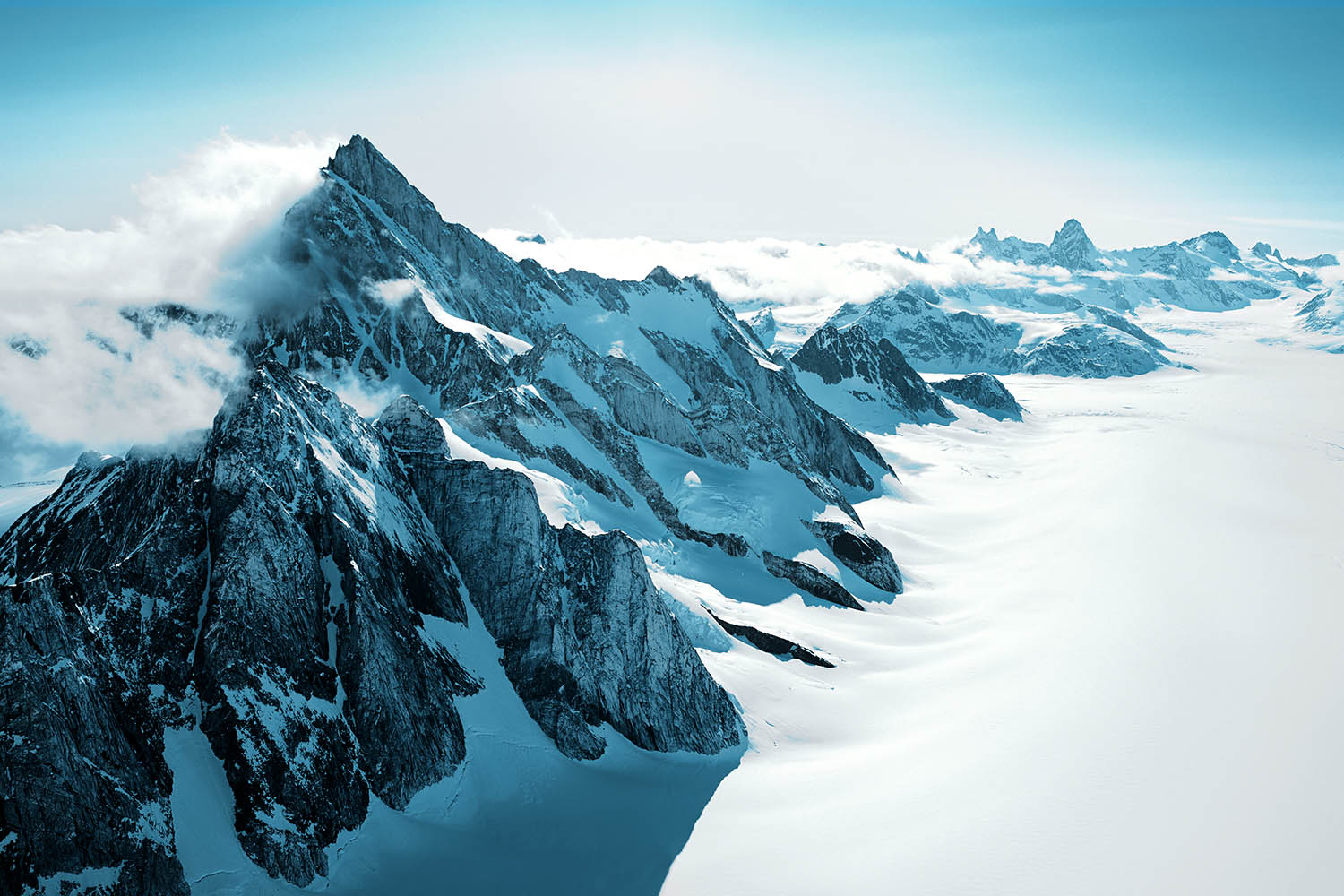
Cleaner air means cleaner snow, which melts slower than dirty snow. The physics is simple – bright white snow is more reflective than snow made darker by pollution – but its impact on the size of the seasonal snowpack in the mountains of the northern hemisphere has not been closely studied until recently. Research published earlier this month in Nature Communications found even though overall snow volumes will inevitably fall because of rising temperatures, they may not fall as fast as previously expected if emissions targets and air quality rules can continue to bear down on particulate pollution. Researchers at the Pacific Northwest National Laboratory in the US took the very fast melting of the northern hemisphere snowpack in 1995-2014 as their baseline, and compared it with two alternative scenarios for 2015-2100 – one with continued fossil fuel consumption at its current rate, and one with radically reduced consumption according to what’s known as Shared Socioeconomic Pathway 126. That cut snow loss by more than half, principally because of lower levels of “dark carbon” in the air. Currently 2 billion people depend on snowmelt for their drinking water and irrigation.