
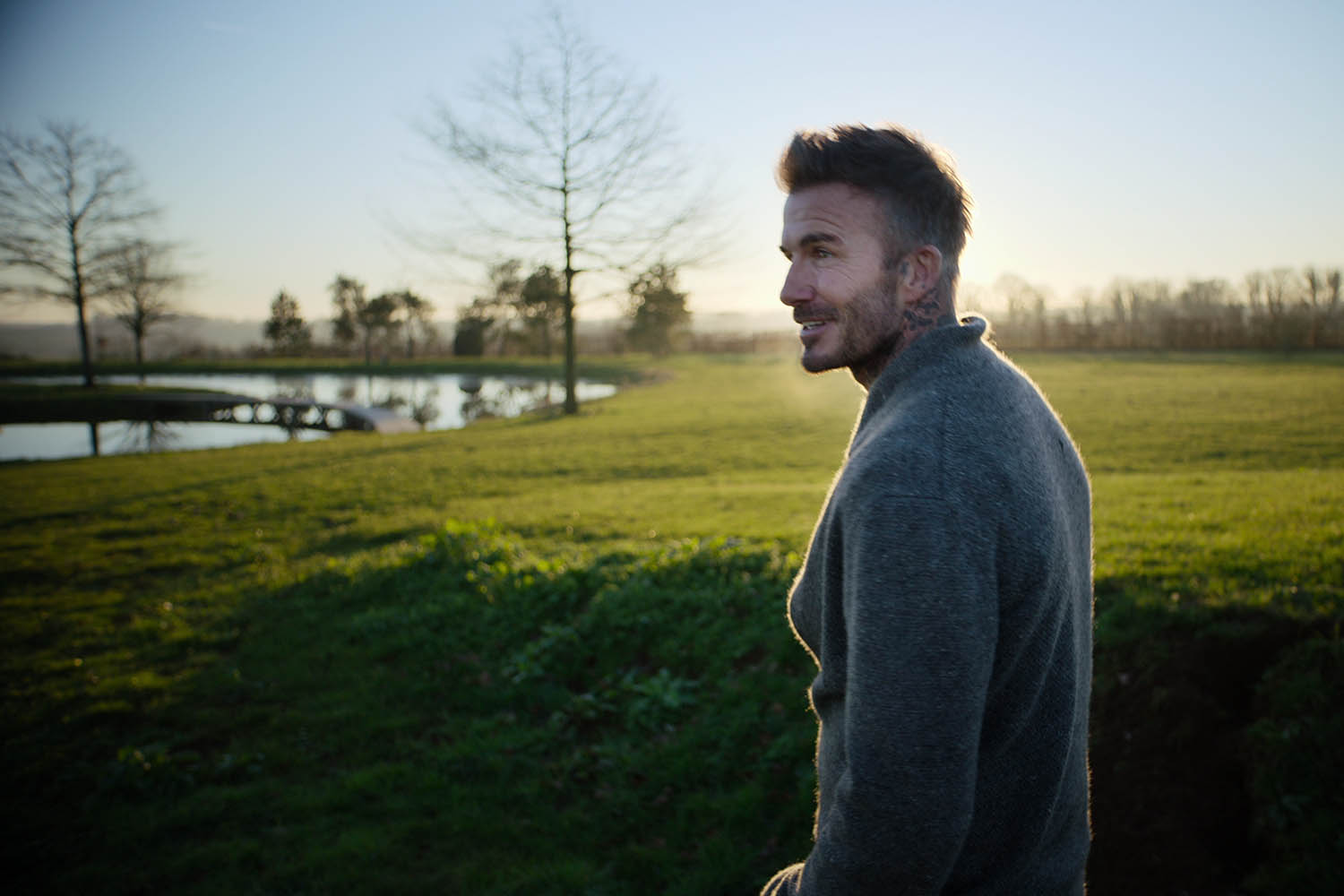
David Beckham’s kinda-tell-all documentary Beckham on Netflix has been ahuge hit – racking up four million views in the UK this week alone. According to the four parter’s Academy Award–winning director Fisher Stevens, we see “the struggle inside of this man… real inner turmoil,” including rumours of marital strife, OCD that means he spends his evenings trimming candle wicks, and his tattoo addiction. The strife rumours – dealt with swiftly – do hint at turmoil.
The candle wicks… well, OK. The tattoo addiction? It’s almost as if the fact that the show was made by David Beckham’s own production company slightly blunted Stevens’ razor sharp investigation. This control by production company is now widespread, and it can sometimes be hard to spot the celebrity’s involvement. Eyebrows were raised by BBC’s The Real Mo Farah. While the runner’s name doesn’t appear on the credits, the show was made by Atomized Studios, the production arm of Farah’s PR company.
Over the last decade streamers have pumped money into the documentary space and, alongside true crime, celebrities have become the most reliable source of gold for the likes of Netflix. But the celebrities have given back, setting up their own production companies and supplying their own shows – see Archwell and Harry & Meghan.
The production arm of Billie Eilish’s record label, Interscope, produced the 2021 doc Billie Eilish: The World’s a Little Blurry. Demi Lovato’s then manager, Scooter Braun produced Demi Lovato: Dancing With the Devil. The Elton John documentary Goodbye Yellow Brick Road lists John’s husband filmmaker David Furnish, as co-director.
Why would celebrities do this? “When it’s coming from the celebrity themselves, they have creative control over how they’re perceived,” according to Lucy Ford, host of the Fandemic podcast, “so it’s not impartial. It’s very controlled. It’s a chance to change the narrative without needing someone else’s support.”
Dan Cogan produced 2008’s The End of America warning of the rise of fascism in the USA. In 2022 he produced Harry & Meghan. “People talk about the golden age of documentary,” he said. “We left that three or four years ago. We now live in the corporate age of documentary.”