Capital Economy, Business and Finance

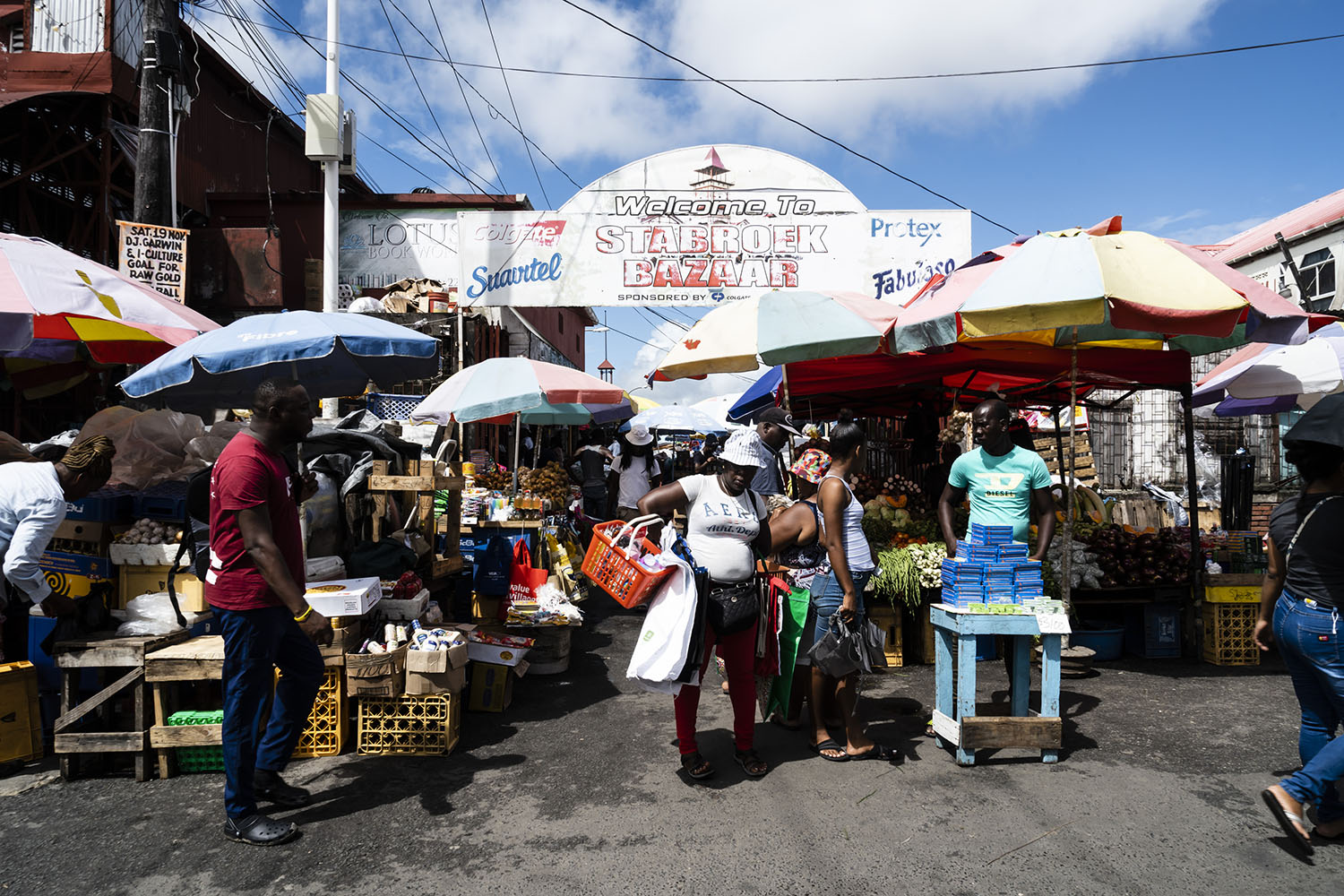
If the world is turning away from oil, you wouldn’t know it in Guyana. What was until relatively recently one of the poorest countries in the western hemisphere is in a collective headspin from surging oil revenues following a series of big oil discoveries in its territorial waters since 2015. Thirty-two of 37 exploratory wells sunk by Exxon have struck black gold. Chevron has bought a smaller rival, Hess, because of its one-third share in the offshore Stabroek Block project. GDP and government revenues have tripled since 2017, according to the IMF. Opec is courting Guyana as a member and the WSJ reports in must-read dispatch today that supermarkets in the capital, Georgetown, are groaning with fancy imported produce and expat-priced ribeye steaks. Such was Venezuela’s reality next door until Chavez and Maduro put command economics in charge. Will Guyana succumb to the resource curse instead? Some locals fear it’s already a de facto Exxon subsidiary. This much is clear: peace in Ukraine and the Middle East, and lower world oil prices, would not be altogether welcome in Georgetown.