The 100-Year Life Health Education and Government

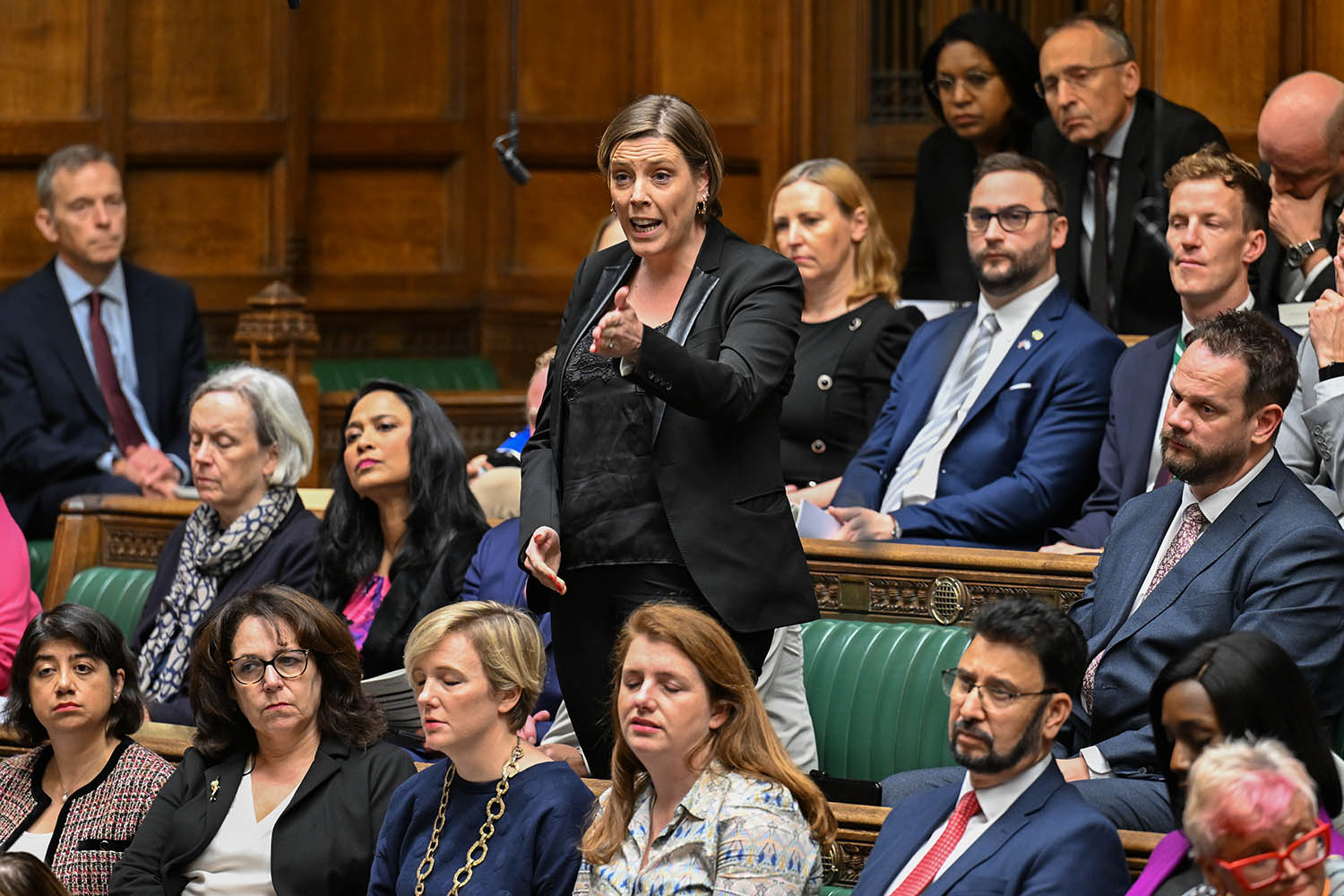
Keir Starmer has suffered the biggest rebellion of his leadership, after eight shadow ministers resigned in order to back a Commons vote calling for a ceasefire in Gaza.
The showdown on Wednesday night resulted in the resignation of Jess Phillips and seven others. Phillips, a high-profile shadow minister for domestic violence, said she was standing down with a “heavy heart” after “one of the toughest weeks in politics”.
The Labour leader’s office had spent days trying to thrash out a compromise, with late-night talks between MPs and aides resulting in an alternative motion that did not go as far as a full ceasefire, but called for longer pauses in the violence, condemned Hamas’s 7 October attack, and called on Israel to “lift the siege conditions” being imposed in Gaza.
But the amendment to the King’s Speech put forward by the SNP called for a full ceasefire – something which Labour has been under pressure to back. Ahead of the vote, thousands of pro-Palestine protesters marched in front of the Houses of Parliament.
After the vote, Starmer said: “I regret that some colleagues felt unable to support the position tonight. But I wanted to be clear about where I stood, and where I will stand. Leadership is about doing the right thing. That is the least the public deserves. And the least that leadership demands.”
It was undeniably the biggest test for Starmer since he took over the Labour leadership from Jeremy Corbyn in the spring of 2020, vowing to rid the party of anti-Semitism and restore its electoral hopes.
Despite the strict three-line whip, a total of 56 Labour MPs backed the amendment against Starmer’s orders. But sources suggested the situation could have been worse.
Ahead of the vote, it was widely briefed that at least 10 shadow ministers would resign, with one source saying the SNP – which is expected to lose several seats in the next general election to a resurgent Scottish Labour – had banked on at least that number.
“Any more than 12 would be seen as a win,” said one MP in the hours beforehand.