UK dentists describe “Victorian” horrors as government offers recovery plan
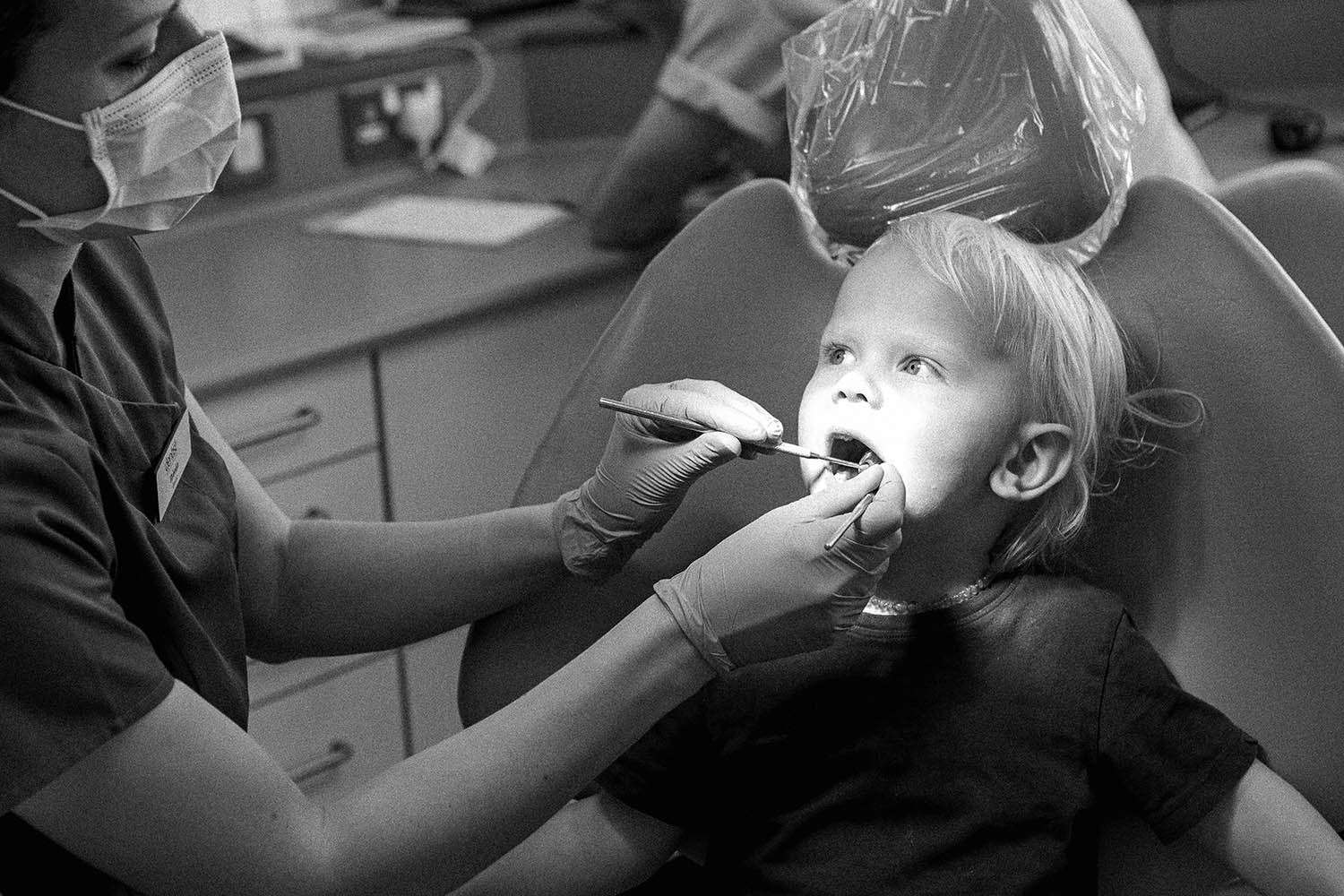
Tom Thayer, a consultant in oral surgery at the Royal Liverpool University Dental Hospital, regularly encounters cases of scurvy. Recently he saw a 3 year-old with near-fatal sepsis thanks to an untreated dental infection.
So what? Dentistry in a rich country doesn’t have to be like this. But in the UK in 2024…
- Tooth decay is the number one reason a child over five will end up in hospital.
- Access to publicly-funded dentistry is worse than in Ukraine or Rwanda*.
- Like 82 per cent of the country’s dentists, Thayer often has to repair the damage caused by DIY dentistry, including patients left with horrifying injuries after trying to pull out their own teeth.
“Dentistry isn’t a nice to have, or an optional extra,” he says. “The oral health gap between rich and poor is widening… Day in, day out my colleagues are seeing scenes that belong in the Victorian era simply because they can’t get an NHS appointment.”
A plan for that. In the week police broke up queues of people who had been waiting hours to register at a new NHS dentist in Bristol, the government has published a “dental recovery plan”. This offers
- one-off £20,000 payments for dentists working in under-served areas;
- a new £15 patient premium for dentists seeing patients who haven’t had a check-up in two years;
- a £50 premium if they need significant work done; and
- a new minimum Unit of Dental Activity (UDA) value of £28, up from £25.33.
A problem with that. The government claims to have earmarked an extra £200 million to fund the plan, but the British Dental Association says real-terms NHS spending on dentistry is down by £1 billion since 2010.
The recovery plan isn’t worthy of its title, says Shawn Charlwood, chair of the BDA’s General Dental Practice Committee. “It won’t halt the exodus from the [dental] workforce or offer hope to millions struggling to access care.”
More than 1,100 dentists have stopped working for the NHS since the start of the pandemic.
Unit costs. The NHS’s dental care system uses Units of Dental Activity as units of payment. For a simple course of treatment, a dentist earns 1 UDA. Fillings or extractions earn 3, and a course of treatment that needs lab work like dentures or crowns earns 12. However, under reforms to the contract in 2022, dentists get 3 UDAs per patient for fillings, however many the patient needs. So while fixing a seriously damaged mouth might take anything up to eight hours, the dentist may earn no more for it than for a single filling.
In short. NHS dentists aren’t adequately paid for taking on complex courses of treatment, while patients who need it aren’t getting it in time.
The BDA says it’s been overwhelmed by feedback from members on the growing problem of patients presenting late. Data released last year showed 9,860 cases of mouth cancer in the UK in 2020/21 – up 12 per cent on the previous comparable year. The disease killed more than 3,000 people in 2021, up 46 per cent on a decade ago. Early detection results in a 90 per cent survival rate but that drops to 50 per cent after a delayed diagnosis.
Leaks to the Telegraph suggest the government is trying to limit the political damage the crisis is doing and is focussing on rural areas where dental practices are thinly spread.
“Ministers wanted to stop dentistry becoming an election issue,” Charlwood says. “By rearranging the deckchairs they’ve achieved the exact opposite. The crisis will remain a burning issue in communities across this country until we get real change.”
What’s more: recruitment agencies say bad teeth are an under-acknowledged reason job-hunters from disadvantaged backgrounds and postcodes get turned down for work.
*Source: Economist Impact Health Inclusivity Index. 23 per cent of UK respondents to a survey said they could access dental care within 24 hours compared with 81 and 67 per cent in Rwanda and Ukraine respectively.