Capital Economy, Business and Finance

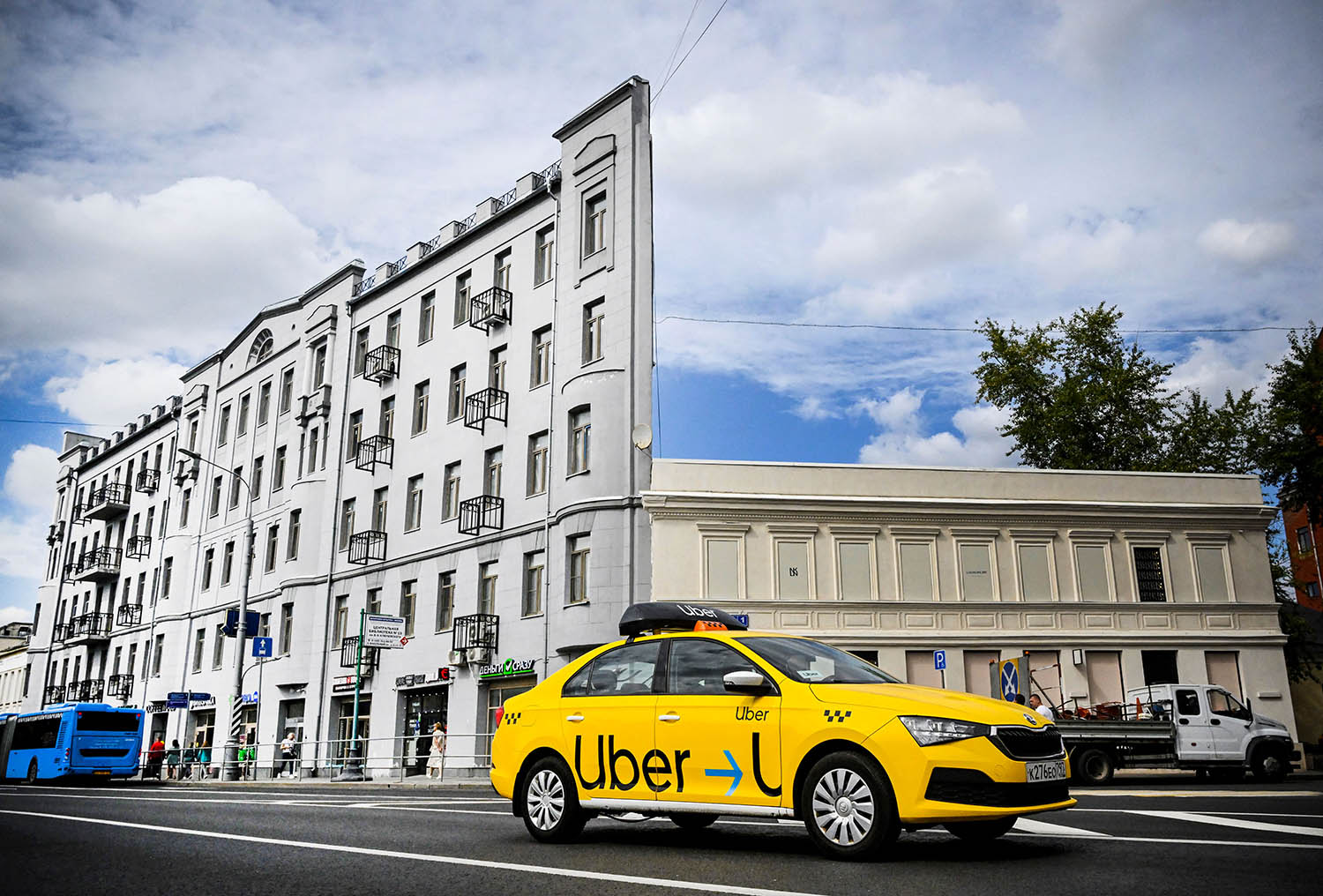
Last week Uber reported its first ever annual profit after nearly 15 years in business. This week it returned $7 billion to long-suffering investors in a share buyback. Analysts chinstroked about the merits of a buyback when the company is (boldly) forecasting three years of 30-40 per cent profit growth. At that rate, why not reinvest in your own company for a bigger piece of your own action, rather than hand spare cash to shareholders knowing it will leave the company when they sell? It’s an especially good question when you consider Uber’s carrying nearly $10 billion in debts after cumulative losses of more than $30 billion by 2022. That number – $30,000,000,000 – speaks eloquently of tech investors’ patience when they like your app and think you have potential scale. Uber has struggled with governments that think its drivers deserve to be treated as full-time workers, and with controversies over its culture. Its claim now is that having proved its business model it’s just getting started.