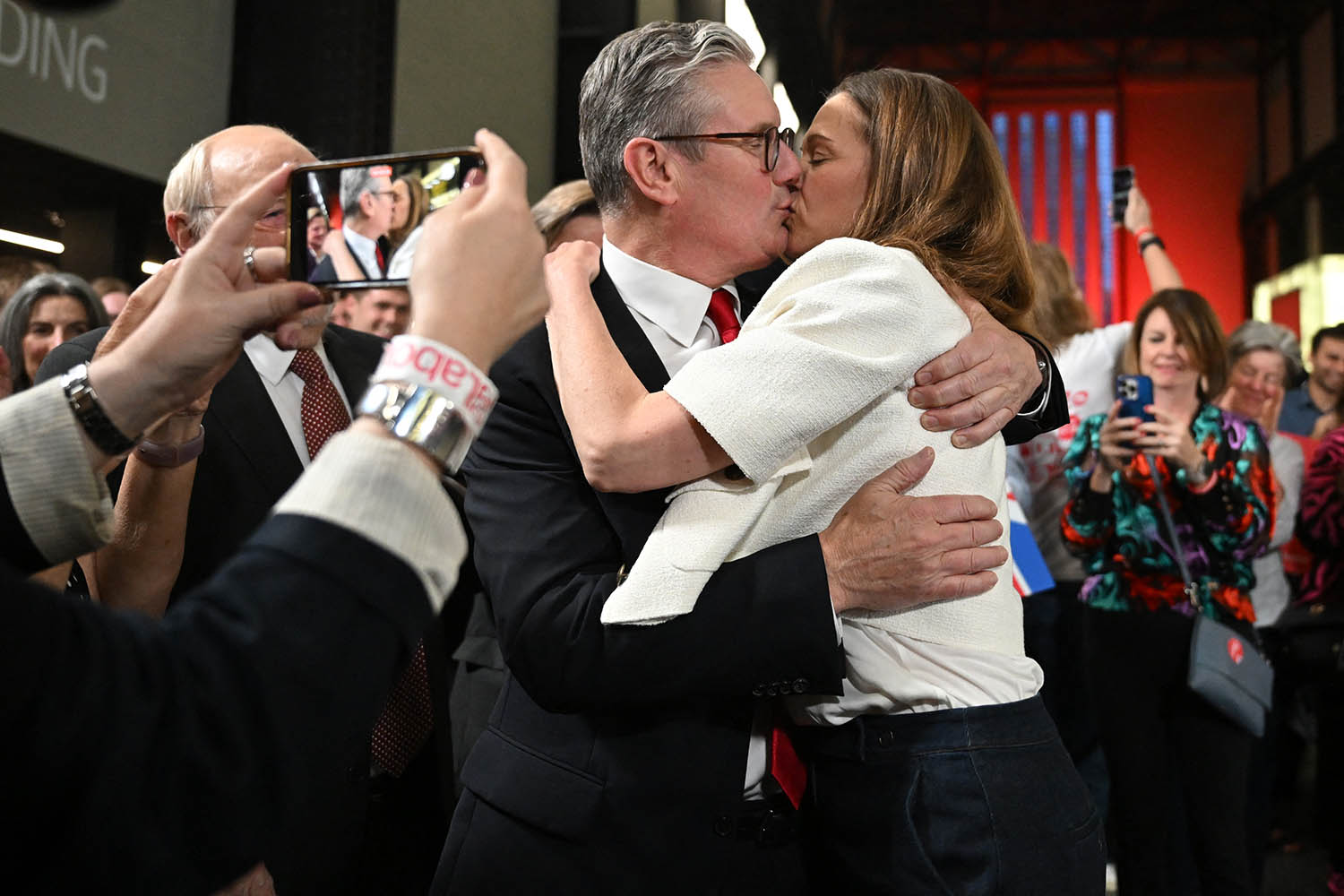
Labour is on its way to Downing Street after winning a landslide victory – but the strategy it has pursued has left it more vulnerable than the numbers suggest.
So what? After 14 years of Conservative-led government, Keir Starmer’s reformed party was on course as dawn broke to win around 400 seats and a majority of 170; the Conservatives to lose nearly 200; and the Scottish National Party to be virtually wiped out in Westminster.
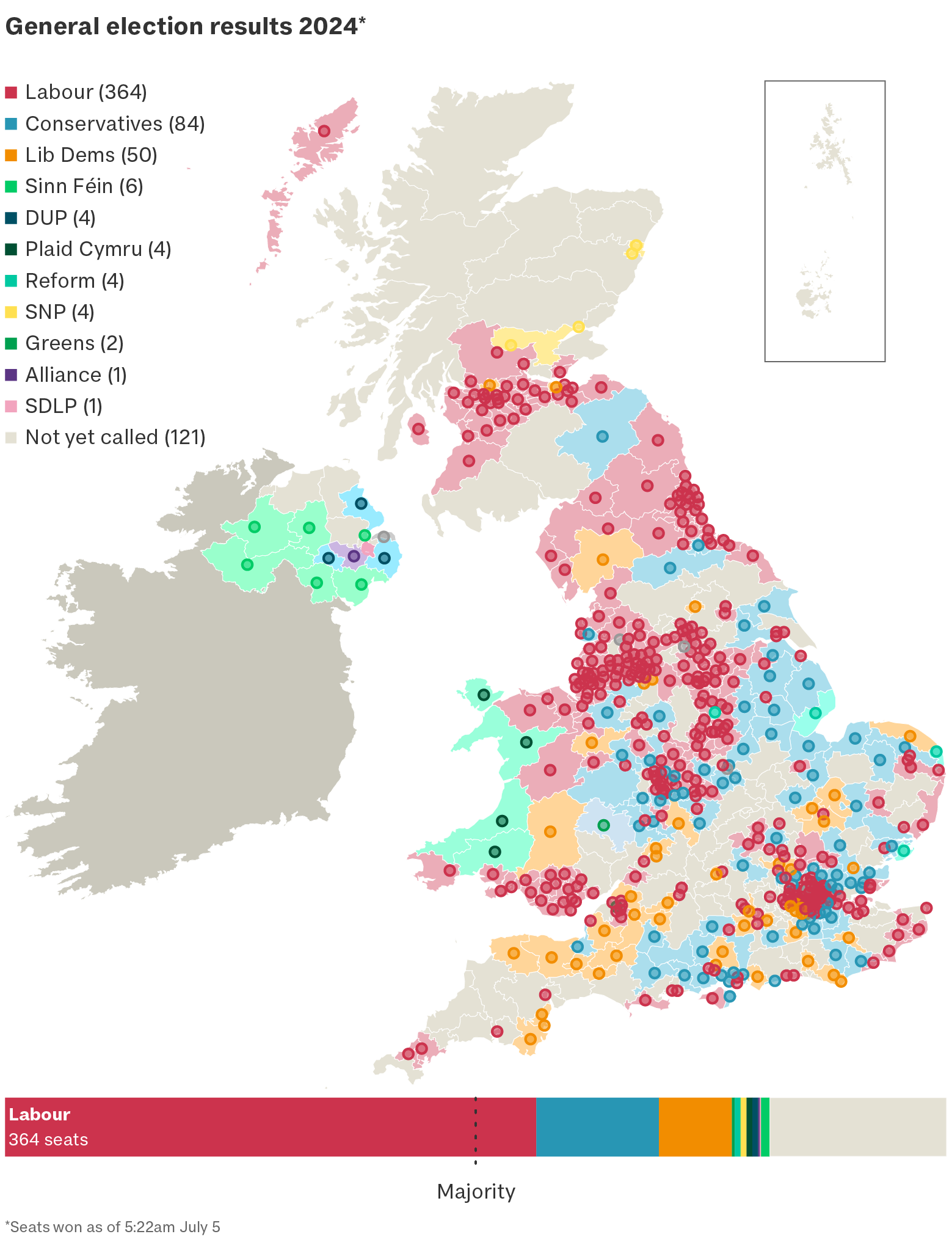
The scale of Starmer’s win and the rhythm of British politics might suggest the UK is now due a multi-term Labour government. Not necessarily.
In the words of the pollster James Kanagasooriam, Labour has won a “sandcastle majority”. It might look impressive, but it could easily be swept away, and Nigel Farage’s Reform party could be that rising tide.
- A “Ming vase” strategy of avoiding hard choices during the campaign has delivered a thumping majority but a questionable mandate.
- Low turnout suggests Labour failed to win over as many voters as it hoped and narrowed its margins in some seats.
- Once all the votes are counted, Labour may have won fewer than under Blair in 1997 and even Corbyn in 2017.
The Immigration Election? Farage repeatedly said so. In fact immigration was not a top priority for much of the electorate, but he succeeded in linking it with others which were, including:
- housing,
- NHS waiting lists, and
- stagnant wage growth.
Not incidentally these are the issues on which Labour campaigned most strongly and on which it’s expected to act most quickly.
Far horizons. Starmer has already rolled the pitch for a second term by talking about the need for “a decade of renewal”. If he fails to improve his personal ratings, some of his colleagues may decide they have a better chance of securing that.
For now he is only the fifth Labour leader to have won power from opposition. He will arrive in Downing Street with the UK’s first female chancellor, Rachel Reeves, ejecting Britain’s first non-white prime minister, who leaves office never having won a general election.
Fallen figureheads. As expected it was a night when big Tory beasts were toppled. Ministers and ex-ministers including Liz Truss, Grant Shapps, Jacob Rees-Mogg, Penny Mordaunt and Johnny Mercer lost their seats. Some claimed it was because of Tory disarray and their party’s rightward-shift. Those who remained – among them Jeremy Hunt and the former home secretary and leadership hopeful Suella Braverman – vowed to rebuild trust.
But it was not just the Conservatives who lost big names.
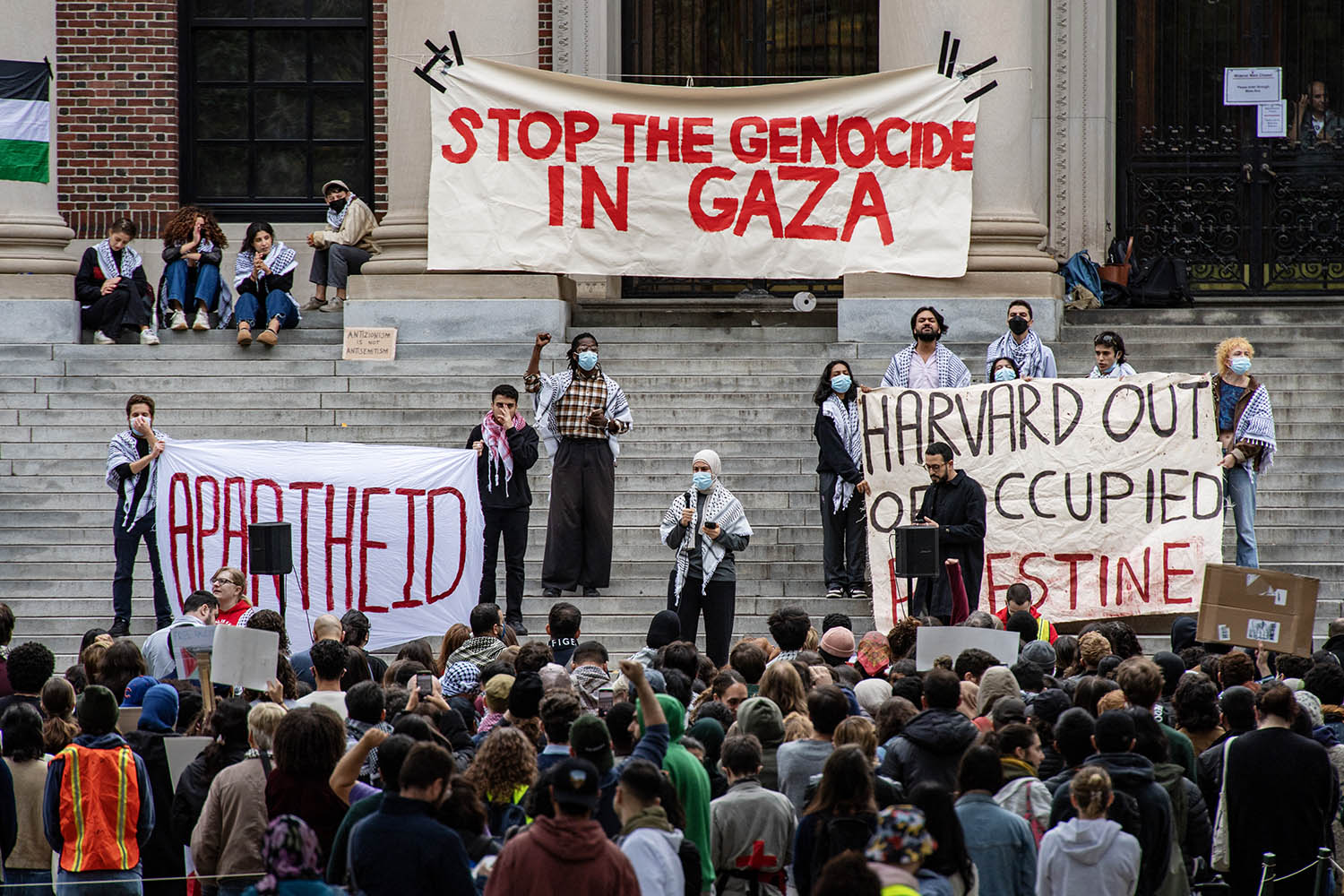
- Jonathan Ashworth, shadow paymaster general and one of Labour’s most visible campaigners, was beaten by a pro-Gaza independent candidate, proof of the ongoing challenge Labour has faced since the conflict began last October.
- Shadow culture secretary Thangham Debbonaire lost in Bristol Central to Green Party co-leader Carla Denyer.
Cling-ons. Iain Duncan Smith, the former Tory leader, survived thanks to an independent splitting the Labour vote. Wes Streeting, the shadow health secretary, saw his majority whittled away to just 528 votes. Jeremy Corbyn’s re-election as an independent, while not unexpected, will cause unease nonetheless. But George Galloway’s failure to hold onto Rochdale – which returned to Labour – will offer Starmer some comfort.
Code of silence. Rishi Sunak took responsibility for one of the worst defeats in his party’s history and said there was much to learn from it. Lessons include the failure of Brexit as a political strategy – barely mentioned in the campaign but a central theme of the UK’s last three elections.
Dame Margaret Hodge, who it was announced yesterday will join the House of Lords, spoke this morning of a “loss of trust in politics” which she said was driving people towards Reform.
Much like the Tories in 2019, this year Labour has succeeded in winning a huge majority under a single campaign slogan of “change”. To avoid the fate of the Conservatives this time around, Starmer will need to show he has delivered.