Inflation is back under control but a lingering cost of living crisis is hurting key voters
Kamala Harris and Donald Trump both promise to drive down consumer prices if they win the White House.
So what? They have to say this even if they can't deliver. Prices and inflation, consistently and by wide margins, have ranked as voters’ prime concerns in this election.
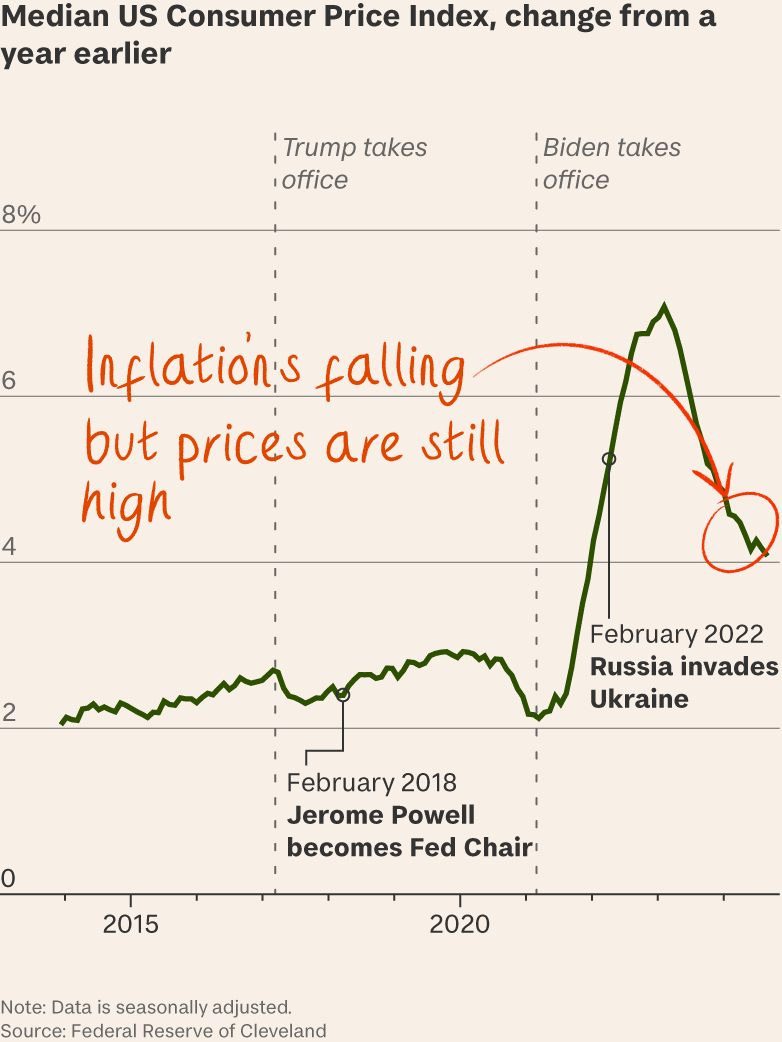
- An historic inflation spike to over 9 per cent in the first 13 months of the Biden presidency has coloured voters’ perception of his whole term, and of Harris.
- Inflation is back under control at 2.4 per cent, but prices are still running ahead of wages and low-income households especially are hurting.
- These households are over-represented in Pennsylvania, which Harris must win, and inflation has hit harder than average in greater Atlanta and Phoenix, which are as important for Trump.
Basket case. The basket of goods and services used for the headline US consumer price index (CPI) covers food, housing, clothing, medical care, recreation, education, communications and, crucially, transport. It doesn’t include energy per se but closely tracks it. There was a nearly 60 per cent rise in overall US energy prices between May 2020 and June 2022.
Ungrateful voters. Petrol prices have fallen back 37 per cent since then. Mortgage rates are down nearly a fifth in a year. Inflation-adjusted wages are up. The US economy has dramatically outperformed Europe and the UK since Covid. More than twice as many jobs have been created on Biden’s watch than were on Trump’s.
High inflation, fuel prices and mortgage rates spelled doom for presidents Carter and Bush Sr in 1980 and 1992 respectively. All those indicators are pointing in the right direction for Harris now, but the voters who matter don’t seem to be feeling it or don’t care. On the contrary
- 70 per cent of them say the cost of living is on the wrong track (and average prices are still 20 per cent higher than at the start of Biden’s term).
- 60 per cent say the economy more broadly is on the wrong track.
- 45 per cent say Biden’s presidency hurt them while almost as many say Trump’s helped.
It’s perception, then? Yes, mainly.
- Misery index. If voters end up fixating on the now-modest inflation rate next Tuesday, Oxford Economics’ latest election model says Harris will win by 70,000 votes in Pennsylvania, and with 281 votes in the Electoral College.
- Sticker shock. But if they focus on still-painful prices instead, Trump wins the keystone state and the presidency by a slightly wider margin.
Oxford Economics’ Bernard Yaros says it’s impossible to know what will be uppermost in voters’ minds on 5 November – but that when Pennsylvania is analysed county-by-county, “stronger than usual inflation and slightly higher unemployment… hurts Harris more”. Trump squeaks a win.
Whose fault? Blame the pandemic, war and a sleepy Fed – not for a result no one can predict, but for the fact that it has come to this.
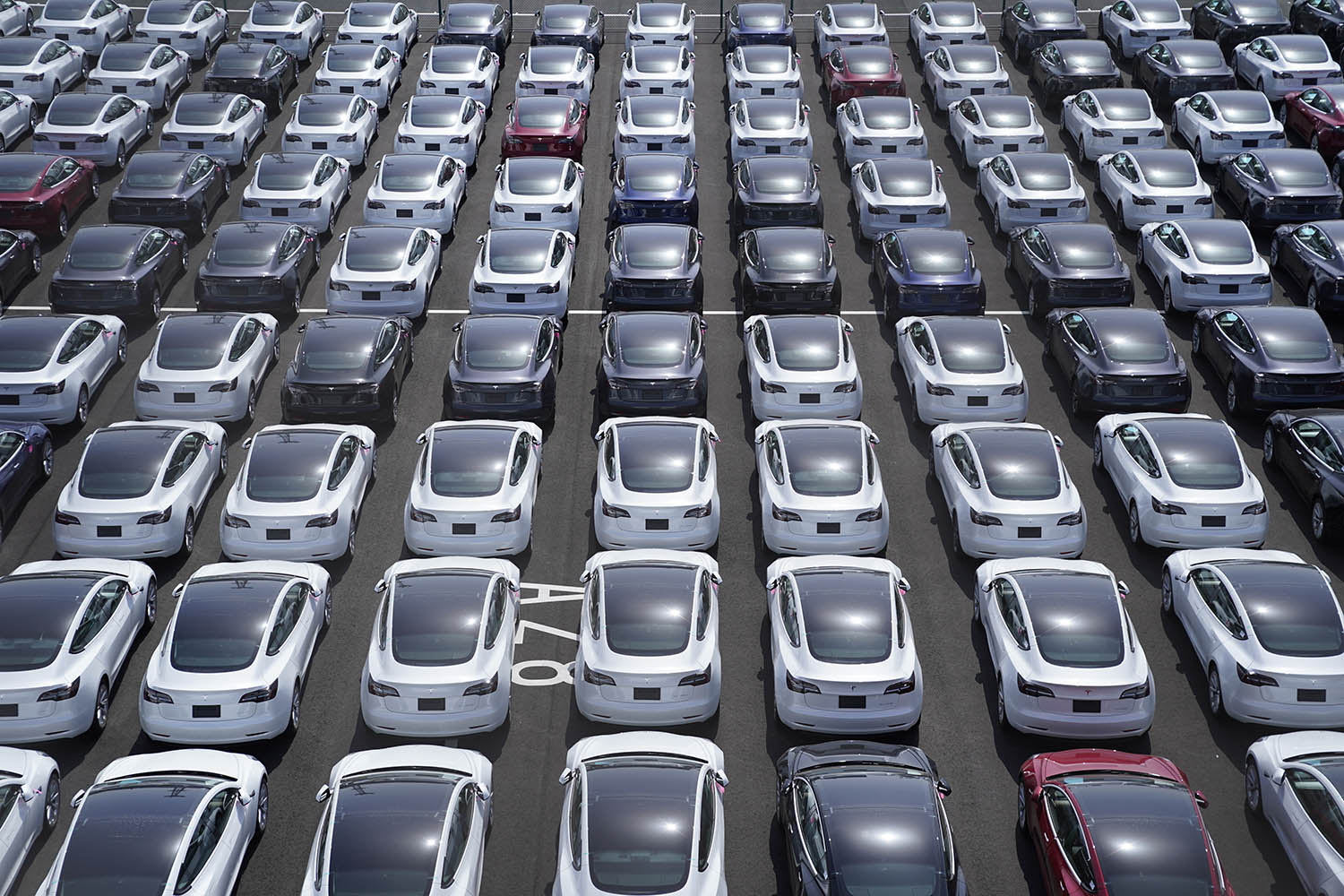
- Covid. The start of the inflation spike coincided with Biden taking office. When vaccines allowed the economy to start reopening, pent-up demand led to chronic shortages – especially of chips for cars – and a two-fold increase in cost of trans-Pacific shipping.
- Putin. His invasion of Ukraine sent shockwaves through world energy markets, though they were more acutely felt in Europe than the US.
- Powell. One of Jerome Powell’s main tasks as Fed chair from 2018 was to anticipate and control inflation. He blew it. His forecast in 2021 that inflation would prove transitory wasted precious time, says Mohamed El-Erian of Allianz, and allowed initial post-Covid shocks “to be embedded into the economy and result in second- and third-round effects that took on a life of their own”.
What’s more… According to Wharton business school, Biden’s flagship $1.04 trillion green energy bill, the misleadingly-named Inflation Reduction Act, may in fact have been inflationary.