The left and right reject Macron’s vision of modernity, and the centre is paralysed
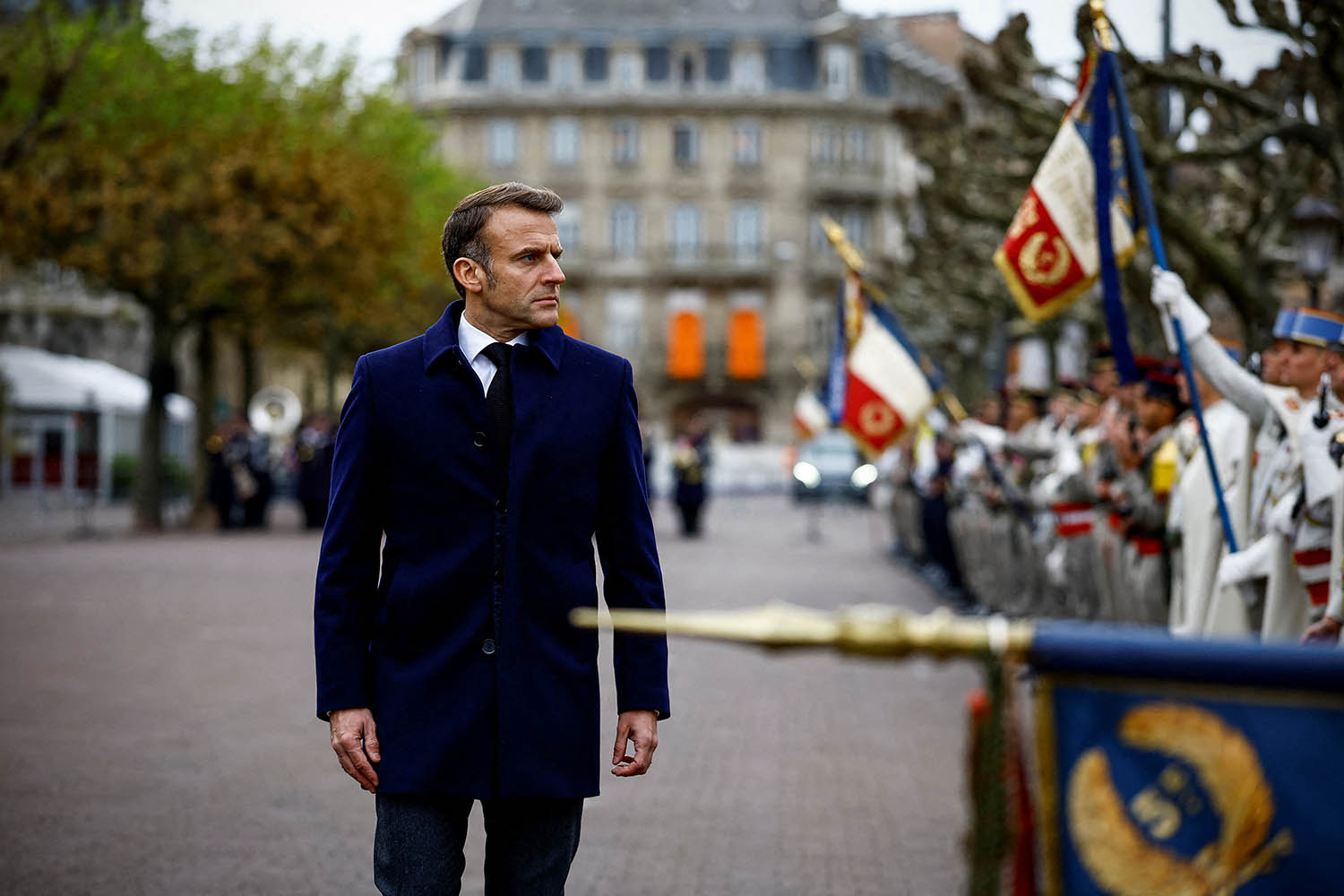
Ten weeks ago Michel Barnier told French MPs a sword of Damocles was hanging over them that could push France “to the brink of the abyss”.
So what? The sword fell and so did Barnier’s government, leaving President Macron racing yesterday to form another one. His difficulties are the tip of an iceberg that could sink the European ship.
Hyperbole? It may be needed. The EU in general and its Franco-German engine in particular need an urgent course correction.
- France and Germany are coasting politically. Olaf Scholz’s coalition collapsed last month, so Europe’s two great liberal democracies are without functioning governments.
- They’re coasting economically too – in recession (Germany) or flirting with it (France) while the US and China prepare to tear up what remains of the globalist playbook in pursuit of short-term growth.
- In its own pursuit of growth, security and a coherent response to mass migration, the EU has questions but few convincing answers.
Francofunk. For seven years, Macron has been trying to persuade his country to live within its means. He has largely failed. This year’s Olympics and the reopening of Notre-Dame have shown what France can do when national pride is at stake, but the national balance sheet is another matter.
- France added €1 trillion to its national debt to fund Covid relief in 2020 and electricity subsidies when Russia invaded Ukraine two years later.
- That debt now stands at 110 per cent of GDP, and the deficit is predicted to exceed 6 per cent this year.
- Barnier’s plan to start paying these down with €40 billion in spending cuts and tax rises prompted a parliamentary rebellion from the left and right and the collapse of his administration.
En plus. Macron hasn’t helped himself politically by refusing to abandon his goal of raising the national retirement age to 64 even if it’s the right thing to do; nor by calling and losing a snap parliamentary election in July. That instability helped raise France’s cost of borrowing higher than Spain’s for the first time since 2008.
En fin. Macron has taken on a broad but unruly coalition of voters whom Sébastien Maillard of Chatham House characterises in the Sensemaker podcast as
- people who feel they’ve lost out from globalisation, inflation and the transition to green energy;
- the “culturally insecure”, who “feel they don’t recognise themselves in their home country”; and
- those who simply don’t like Macron’s style – “too top down, too vertical”.
Between them they have fought him to a standstill.
Bad timing. France has been left looking inward when it should be leading the EU response to US and Chinese threats to free trade and Russia’s assault on European security.
France = Europe. Much of the paralysis that afflicts France afflicts the EU too.
- The eurozone’s 0.8 per cent projected growth rate for 2024 won’t pay for the safety net the EU’s ageing citizens have come to expect, or the increased defence spending they need.
- Nor will it fund the €800 billion investment gap identified by Mario Draghi, the former European Central Bank president, as a basic reason for slack European productivity.
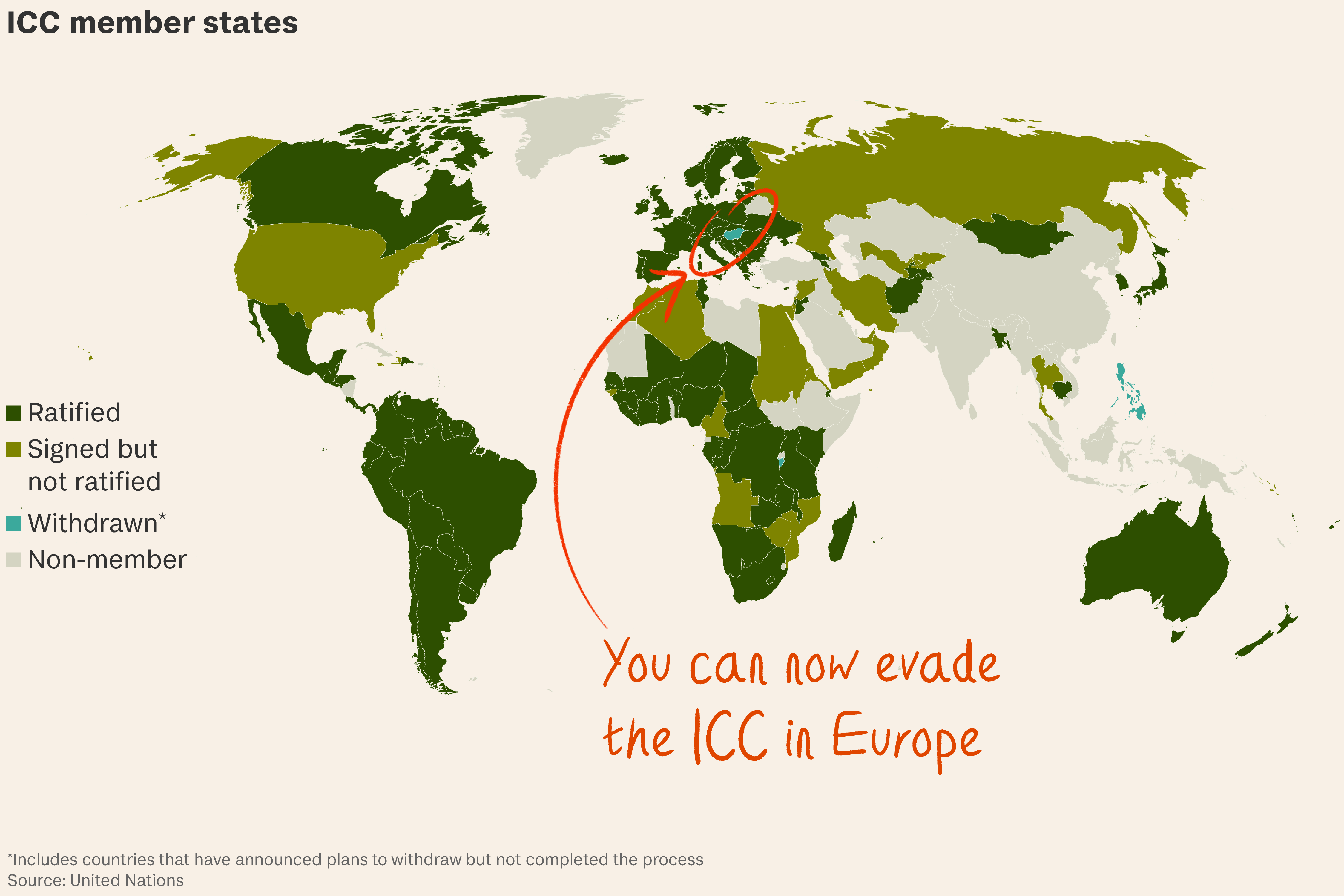
- Macron’s mission is to keep Marine Le Pen and her National Rally out of power, just as the EU’s is to stop its illiberal members (Hungary, Slovakia, potentially Romania) pulling it apart.
Cheer up. European start-ups raised more than $400 billion between 2015 and 2024 – more than ten times as much as in the previous decade. China will need EU trade as much as vice versa, says Charles Grant of the Centre for European Reform, especially if Trump starts closing off access to US markets. And Germany will get a centrist government of some sort by February, even if Scholz is not in charge.
But… nations. Eurosceptics and Europhiles alike agree the EU has a fundamental problem. As Timothy Garton Ash puts it: “The policies we need now are European, but the politics remain national.” The bloc needs solutions that transcend those politics, and the stakes are high if they’re not found. Nick Clegg, the former deputy prime minister and MEP, says the bloc has to reform or die.
What’s more… France is getting a reminder of the price of not reforming. The first major French production of Les Misérables in 44 years opened in Paris last week.