
But nimbys, planning rules and a culture of blocking stand in her way
In an editorial last week Keir Starmer went so far as to identify Andrew Boswell, a former Green party councillor who launched multiple legal challenges against the A47 road in Norfolk, as an example of the “Nimbys and zealots” holding back UK growth.
So what? Boswell is an amateur expert in the art of blocking projects. Another activist, Chris Todd, founder of the Transport Action Network, has single-handedly delayed an estimated £2-3 billion worth of infrastructure via judicial review. Two of his targets – the A428 near Cambridge and the A66 Trans-Pennine – had over 90 per cent public support.
And? No one likes a tell-tale, but Starmer’s diagnosis is correct. Britain is blocked up. In a speech this week his chancellor, Rachel Reeves, drilled home the message that “growth” has to trump all else in every policy decision made by the government. Nimbys (and newts) don’t get a look in. But overturning the UK’s culture of blocking won’t be easy.
- 58 – percentage share of decisions on major infrastructure projects, such as nuclear plants, trainlines and windfarms, that are subject to judicial review.
- £55 million – increase in costs, per scheme, for National Highways projects because of legal challenges.
- 3.7 – factor increase in cost per mile of building HS2 compared with France’s TGV between Tours and Bordeaux.
Heath-row. Reeves’ support for a third runway at the UK’s busiest airport is a totemic signal to international investors that the country is open for business. However, it will do nothing for GDP this parliament (Reeves wants it operational by 2035) and it has sown tensions between a growth-at-all-costs leadership and MPs signed up to various green factions within Labour. The project also risks falling foul of
- emissions limits imposed by the UK’s carbon budget;
- fresh legal challenges from NGOs; and
- spiralling construction costs that could reach £40 billion due to labour shortages and inflation.
Arc enemies. The announcement of plans to build “Europe’s Silicon Valley” in an arc between Oxford and Cambridge has been applauded by conservative think tanks and press. “If you talk to anybody in the world of science who understands science commercialisation, they back it very strongly,” says one director.
But making it reality will require effective coordination between 23 local planning authorities, a mayoral combined authority and eight transport planning authorities. Proposals have been submitted for 4,500 new homes along an East-West rail route between the two cities.
For the arc to work, the UK needs to get better at converting its university IP into commercial success stories. The total value of equity investment in UK university spinouts has been declining since 2021 and fell 30 per cent between 2022 and 2023, to £1.66 billion.
Is it enough to get growth going? Additional attempts to unlock pension investment and cut red tape have been well received. But there are two large elephants still left in the room, and they both begin with ‘e’.
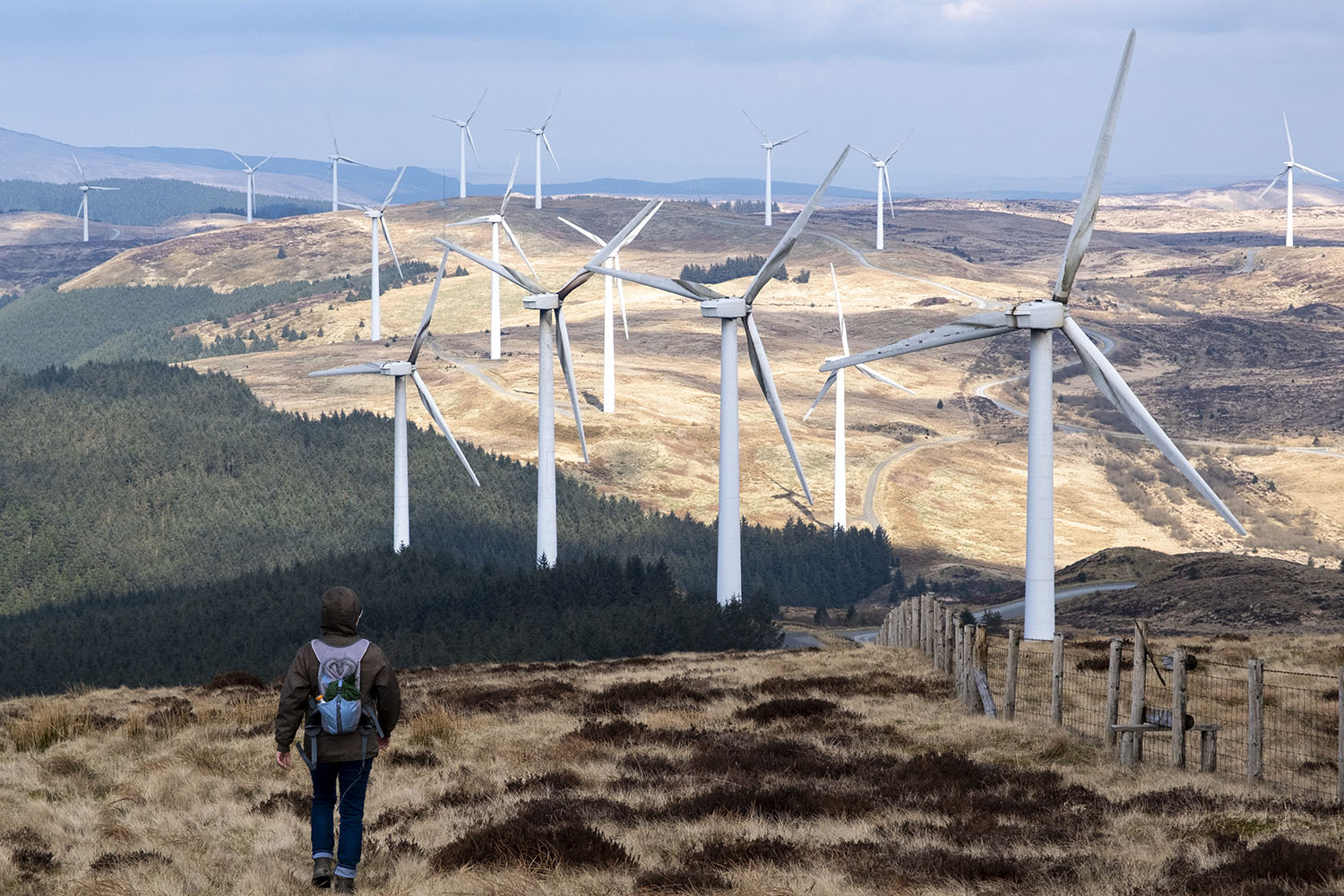
- energy costs have increased steadily since Labour took office and the price cap is set to rise again in April. The chancellor says “net zero is the industrial opportunity of the 21st century” but needs to go further in approving projects that deliver cheap energy for consumers and SMEs.
- Europe appears to be the one area where Labour’s new predilection for growth is trumped by politics. If the government truly valued builders over blockers like Boswell and Todd, it would find ways to bring more of them into the country. The National Federation of Builders says there is a shortage of more than 200,000 construction workers needed to enable Labour’s plans.
What’s more… Reeves’ speech was an attempt to win back confidence in the economy by insisting that she’ll take on the Nimbys. By one measure, it’s worked: UK gilt yields are down 0.07 per cent since their spike in mid-January.