Trump’s threat to abandon Ukraine redefines the free world
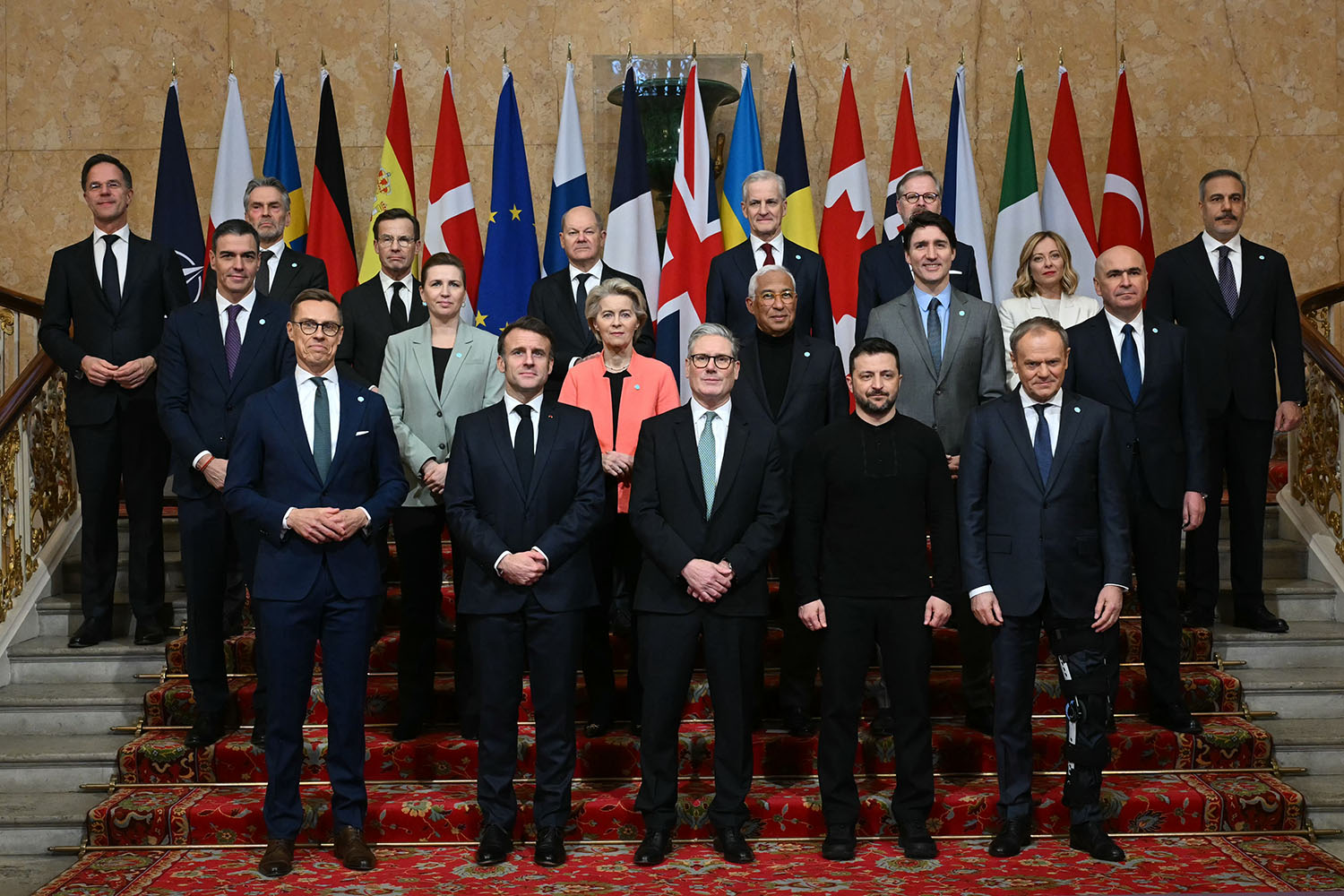
Before joining yesterday’s emergency European summit in London, Italy’s Giorgia Meloni said it was vital that the West not split over Ukraine.
So what? That horse may have bolted. The West is dead, at least as the world has come to think of it since World War Two, a veteran of European diplomacy said last night. What remains to be salvaged is a transactional trans-Atlantic relationship to underwrite European security – if Europe seizes the moment and pays the price.
It could happen.
Last night…
- Ukraine’s Volodymyr Zelensky said he was still ready to sign the minerals deal he would have signed on Friday had he not been asked to leave the White House.
- France and the UK floated the idea of a one-month truce.
- The US signalled continued engagement – albeit with continued insistence that a minerals deal with Ukraine be accompanied by a peace deal on terms approved by the US.
In the preceding 48 hours…
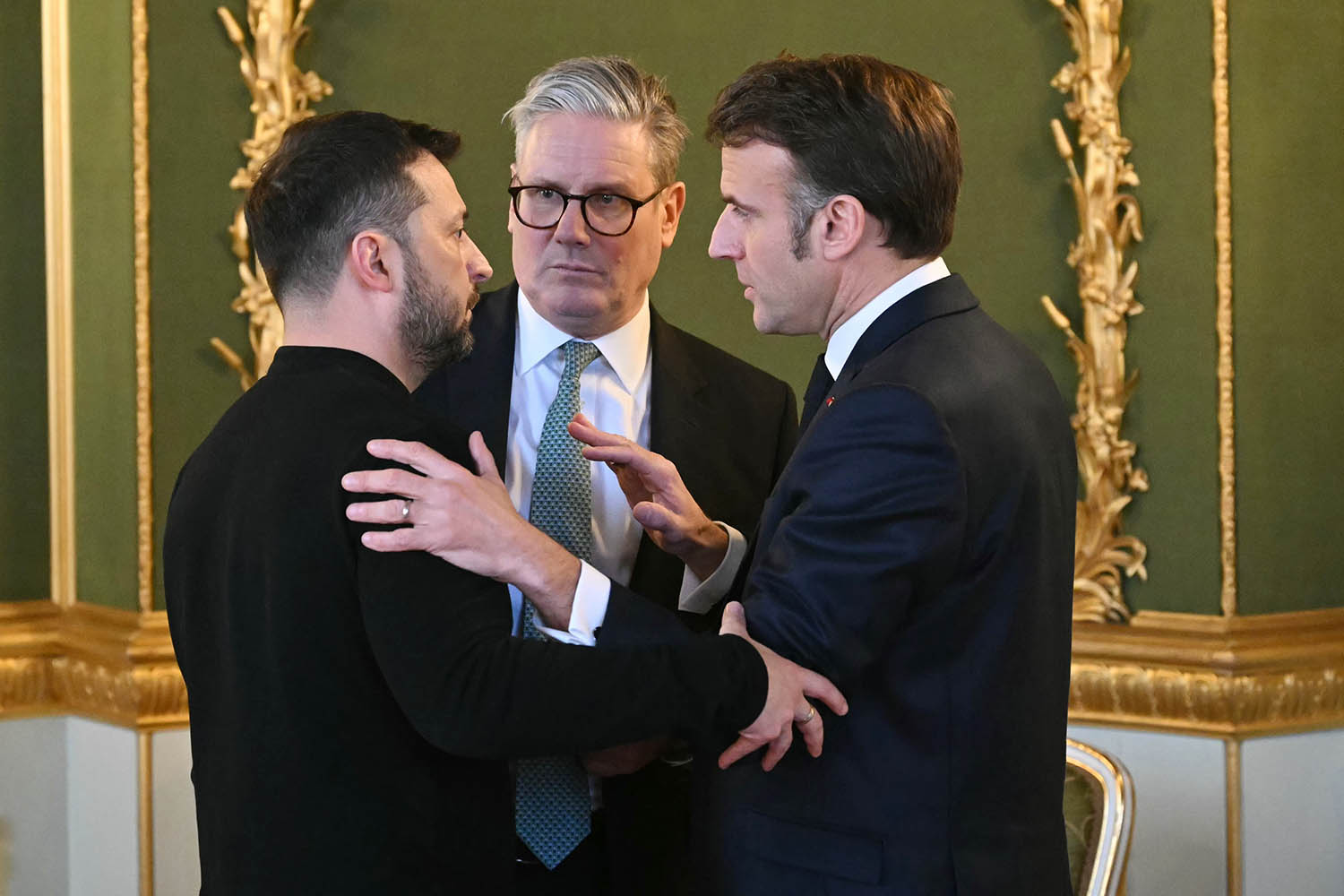
- Keir Starmer showed sure-footed crisis management, drafting a four-point plan intended to rescue the idea of a just peace with serious security guarantees.
- Ursula von der Leyen, the European president, said she’d present her own “comprehensive plan” on Thursday.
- European leaders told Zelensky privately the route to peace still leads through the White House.
- But some at least showed they understood at last that Europe’s security is now emphatically Europe’s responsibility.
Superpower self-pity. Trump played host last week to a series of heads of government, but it was his vice president who played Molotov. The author of Hillbilly Elegy turns out to be adept at stun-grenade diplomacy.
- In Munich last month he was expected to tackle Ukrainian security but left his hosts slack-jawed with a paean to extremism disguised as a lecture on free speech.
- In the White House on Friday he goaded Zelensky with a claim that Ukraine takes visitors on “propaganda tours”.
JD Vance has found a role supporting Trump in siding with Russia and recasting the world’s strongest, richest country as wronged and taken for a ride.
No suit? No thanks. Zelensky was also taunted by a Trump-friendly journalist for not wearing a suit in the Oval. He took the bait. The rest is history, and historians will probably say he was ambushed because Trump and Vance realised there would be no deal last week and hoped to shift the blame. Zelensky may have lost his cool, but
- he understood the minerals deal as first drafted was thinly-veiled extortion;
- he watered down the second draft so that even if it was signed, nothing about it was binding;
- he schooled Trump and Vance on Putin as a man to be deterred, not trusted; and
- he correctly assessed months ago that Ukraine’s security was Europe’s problem more than America’s.
Pax Europa? The question posed by the Friday fiasco is whether Europe and Ukraine have a plausible security strategy without US leadership and large-scale backing. The short answer is yes. The longer answer, as Starmer noted yesterday, is: not without a US “backstop” (see also Our Planet, below).
What would it cost? More defence spending by most Nato members; less than the 5 per cent of GDP the Trump administration has suggested.
What do you get for 2.5 per cent? Enough – for now. At this level Nato excluding the US would be spending five times more than Russia on defence – more than enough to field four heavily-armed brigades totalling 30,000-35,000 soldiers with full intelligence, surveillance and reconnaissance (ISR) provided by France, Britain and the Nordic countries, which alone can deploy 250 fast jets between them, says Ivo Daalder, the former US ambassador to Nato.
His only proviso: it has to be a Nato operation. “That’s the backstop.” It could be entirely resourced by non-US members with senior commanders in Nato roles the only US contribution. But the lesson of the Franco-British effort to enforce a no-fly zone over Libya in 2011 is “it’s a fool’s errand to think you can do an ad hoc operation like that without Nato”.
What’s more… Nato operates by consensus. It doesn’t need unanimity. Starmer’s “coalition of the willing” would suffice.