Our Planet Climate and Geopolitics

In the hours after Friday’s showdown between Presidents Trump and Zelensky, Keir Starmer was criticised in certain quarters for being slow and lukewarm in his response.
While other European leaders, and senior Tories, posted a series of statements of solidarity with Ukraine, the UK’s prime minister appeared to sit on his hands.
As became clear over the course of the weekend, he was doing anything but.
The No 10 statement late on Friday night showed he had spoken to both men. That work continued throughout the weekend.
Starmer’s interview with the BBC on Sunday morning was dry and repetitive but to be taken seriously as a “bridge” between the US and EU, Starmer has to take a path more constrained than some of his peers.
The test for Starmer was not whether he should condemn Trump for his belligerence, but whether he could give Zelensky an opportunity to say his piece, show support for Ukraine and keep open the American channel.
So far, he seems to have succeeded.
It was already a busy week. Trump had held an awkward meeting with President Macron before hosting Starmer on Thursday, a bilateral that was startling for its ebullience. But Friday’s bust-up meant the European summit Starmer was due to host two days later became even more important.
Earlier that week, Trump had described the PM as “a very tough negotiator”; that claim was put to the test at the weekend.
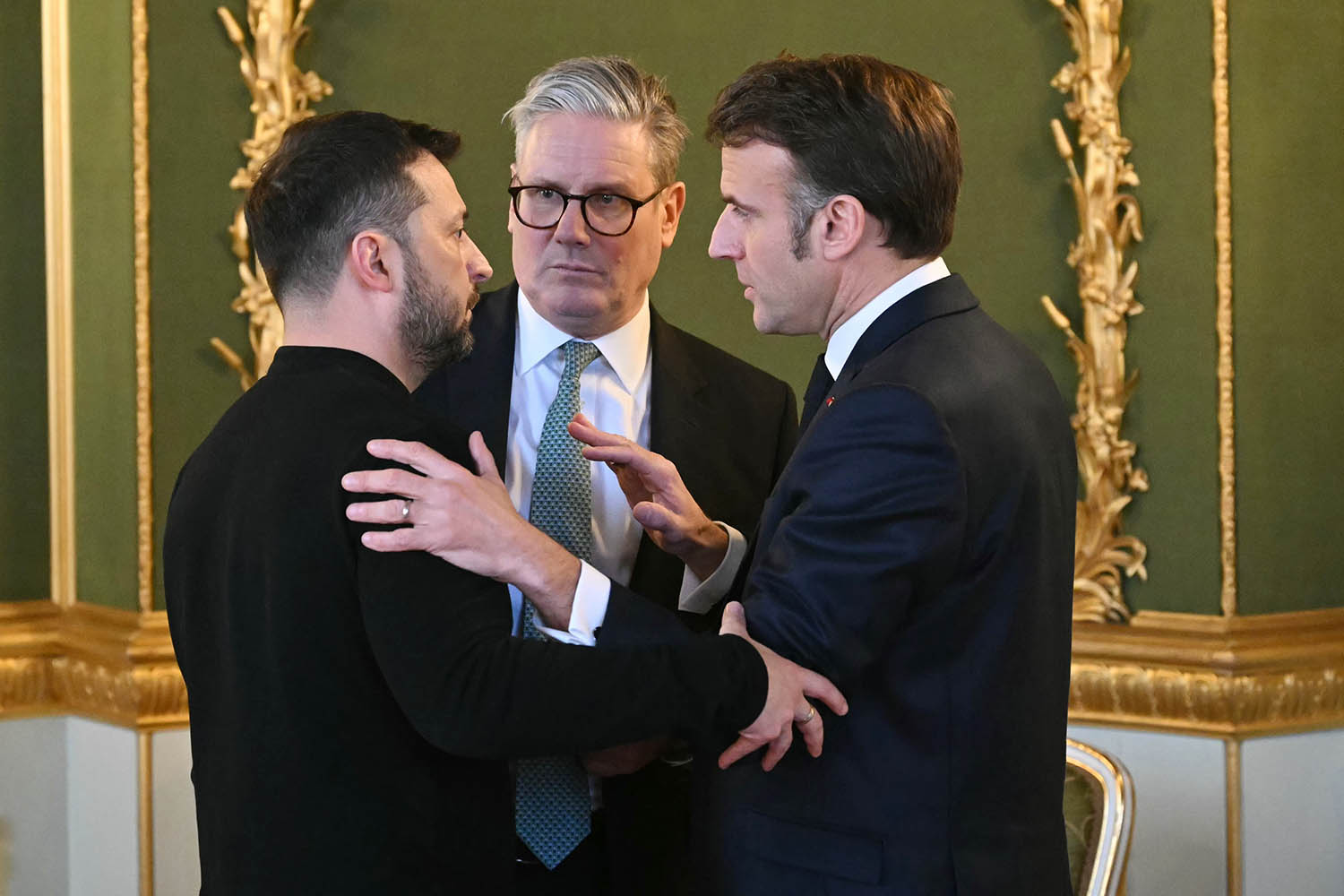
No Starmer drama. In full bridging mode, Starmer hosted Zelensky at Downing Street on Saturday morning. The pair hugged and listened to the cheers outside; the Ukrainian president appeared emotional as he thanked Starmer for his welcome. Calls between the UK and other leaders then continued: with Macron, then Trump again. “I took to the phones, that was my response,” Starmer told the BBC, clear he was not taking sides.
His desired outcome from all this work is
- a “strong Ukraine” to be in a strong position to negotiate, but also to fight on if necessary;
- a European element with security guarantees in any deal; and
- a US “backstop”.
Although he wasn’t explicit on this last point, the implication is at least a US commitment to the nuclear umbrella, but there is also an expectation that US military commanders will continue to be involved in any Nato mission. Starmer has extracted a commitment from Trump on the all-important Article 5, but the US president’s mercurial manner creates doubt in the minds of many on the continent.
To Lancaster House. EU leaders, as well as Canadian prime minister Justin Trudeau and the Nato secretary general Mark Rutte gathered in a show of support for Ukraine as well as discussing tangible measures.
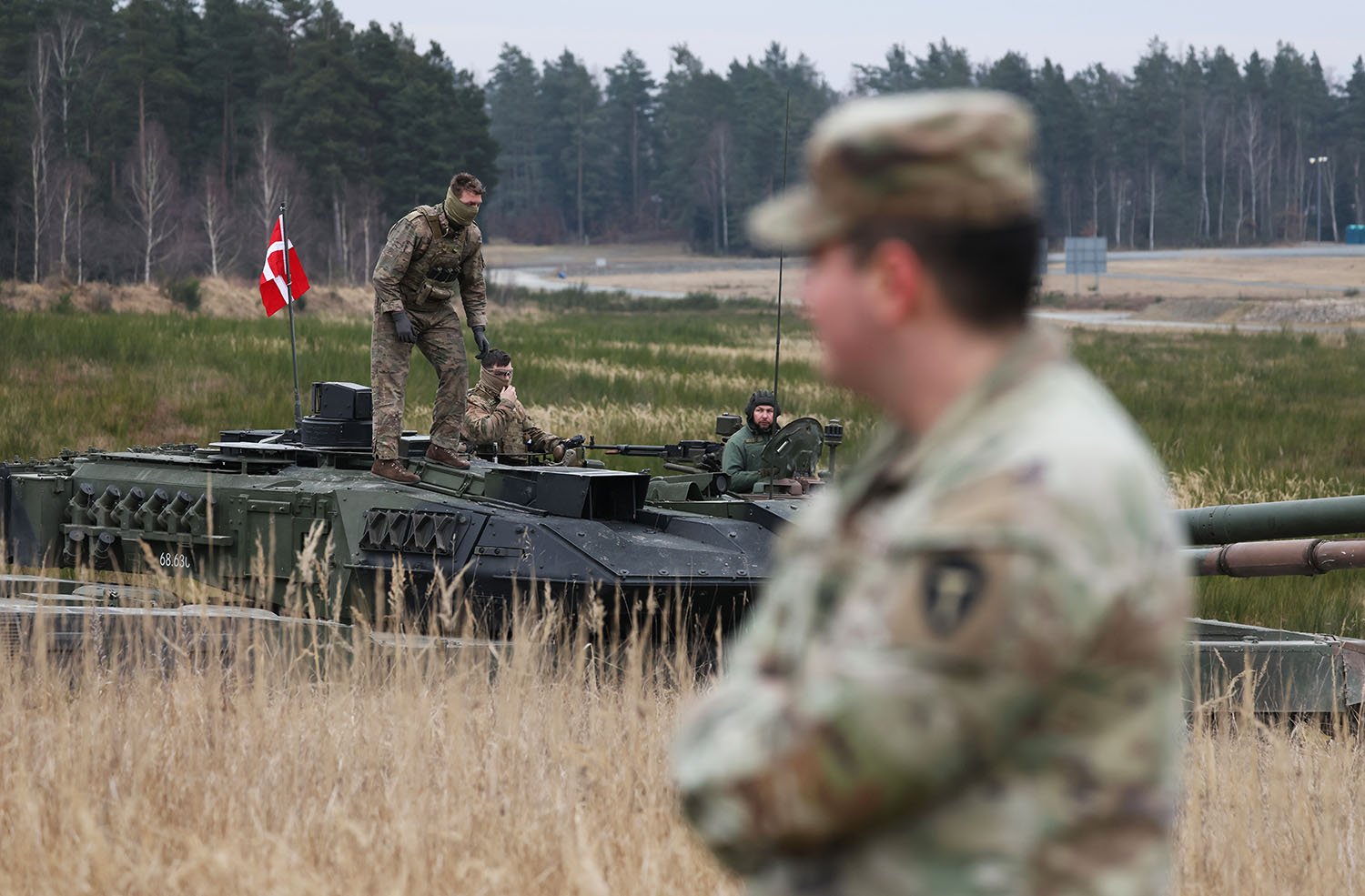
By Sunday afternoon, Starmer was able to announce a new deal that will enable Ukraine to access £1.6 billion in UK export finance to purchase more than 5,000 air defence missiles. These missiles will be manufactured in Belfast, creating British jobs. He also announced plans for a “coalition of the willing” able to support Ukraine backed with British “boots on the ground and planes in the air”. This is on top of a £2.2 billion loan for military aid, backed by proceeds of seized Russian assets.
Checkmate. While there have been calls for Starmer to cancel Trump’s unprecedented second state visit, and his forthcoming meeting in Scotland with King Charles, a more elegant approach presented itself: Zelensky got there first.